Dental Implants
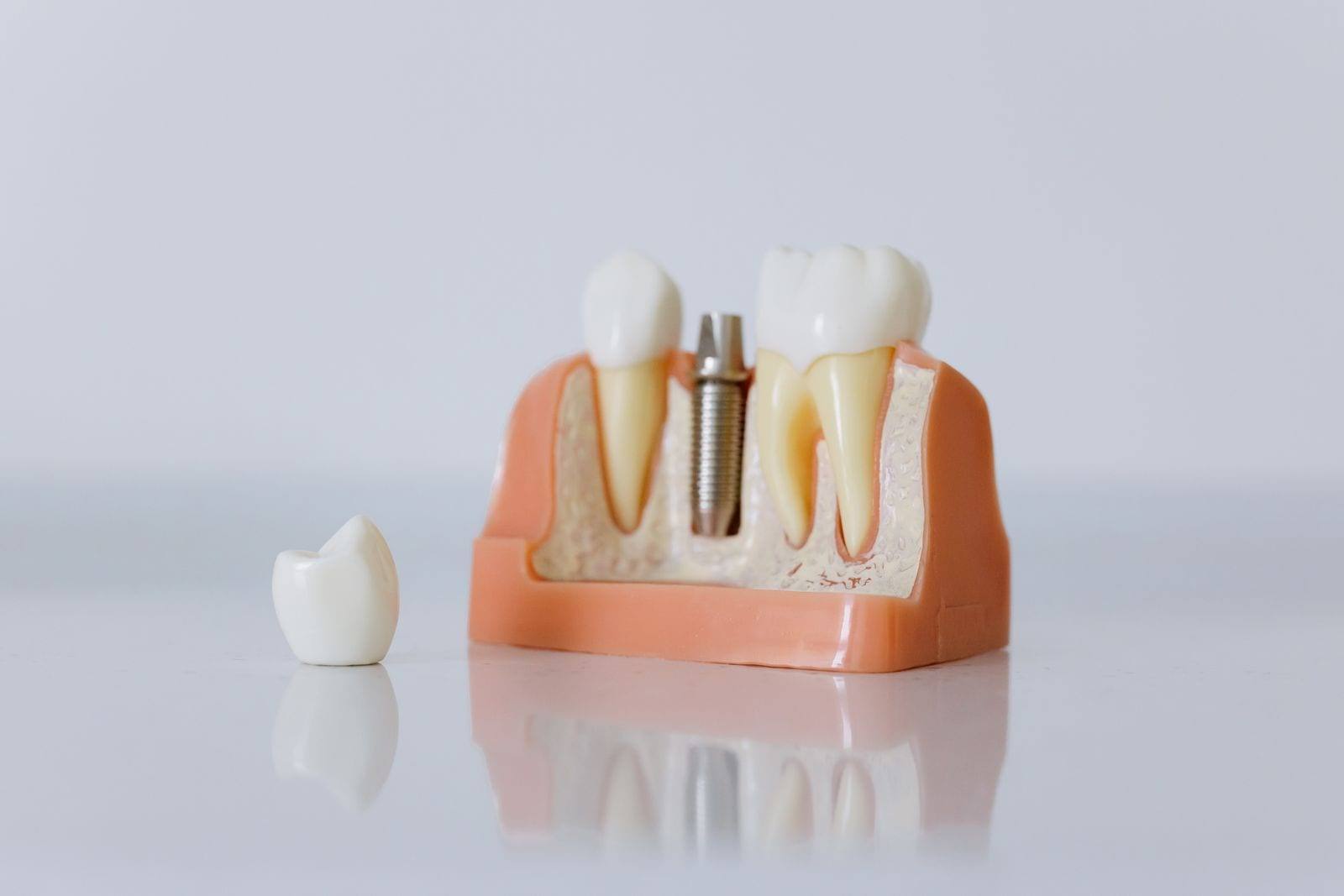
A titanium implant replaces the root of a missing tooth and supports a natural-looking crown. Every Molly implant is planned on a 3D CBCT scan.
From $3,900
ConsultsMost consultations within 48 hours. No referral needed.Request one
Referring doctorsPatient formsPay my bill 24/7 surgeon line (949) 555-0100
Dental implants
An implant replaces the root of a missing tooth, so the new tooth is anchored in your jaw instead of on its neighbors. Every case is planned on a 3D CBCT scan, and your first consultation and scan are complimentary.

Your options
Each has a place. At your consultation, your surgeon walks through which suit your mouth, your health and your budget.
Replaces the root and the tooth without touching the teeth beside it, and helps keep the bone in place. Takes a few months to heal; costs more upfront.
A false tooth held by crowns on the teeth either side, which are reshaped. Done in a few weeks, but the bone under the gap keeps shrinking.
The lowest upfront cost and no surgery. It can move when you eat or speak, and needs relining as the bone changes.
Four to six implants hold a full set of teeth, fixed or snap-in. For people who have lost, or are losing, most of their teeth.
Implant care
Including the grafting some patients need first, when there isn’t enough bone to hold an implant.
A titanium implant replaces the root of a missing tooth and supports a natural-looking crown. Every Molly implant is planned on a 3D CBCT scan.

A full arch of fixed teeth supported by four to six implants, often with a provisional bridge the same day. Planned by a surgeon and an in-house prosthodontist.
When implants are stable enough, a fixed provisional bridge or crown can be attached on the day of surgery. Your final teeth follow after the bone heals.

A removable denture that snaps onto two to four implants for a secure fit. Less costly than a fixed bridge and much more stable than a regular denture.
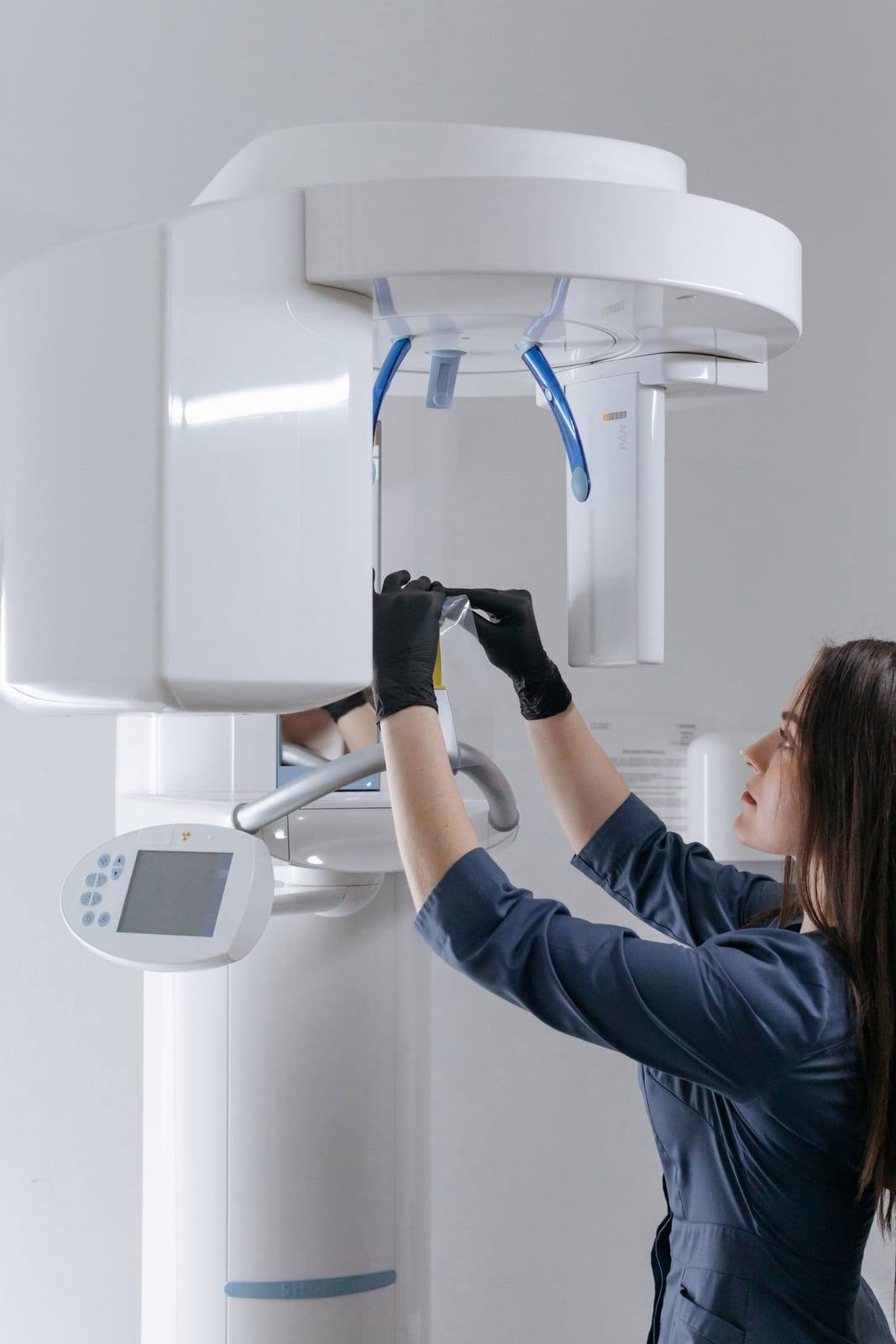
Longer implants anchored in the cheekbone or the bone behind the upper jaw, for patients with severe upper bone loss who have been told implants are not possible.

Assessment and treatment of troubled implants, from peri-implantitis cleaning and regenerative grafting to careful removal and replacement.
Bone grafting restores the height and width of the jaw where bone has been lost, so implants can be placed securely. Planned on a 3D CBCT scan.
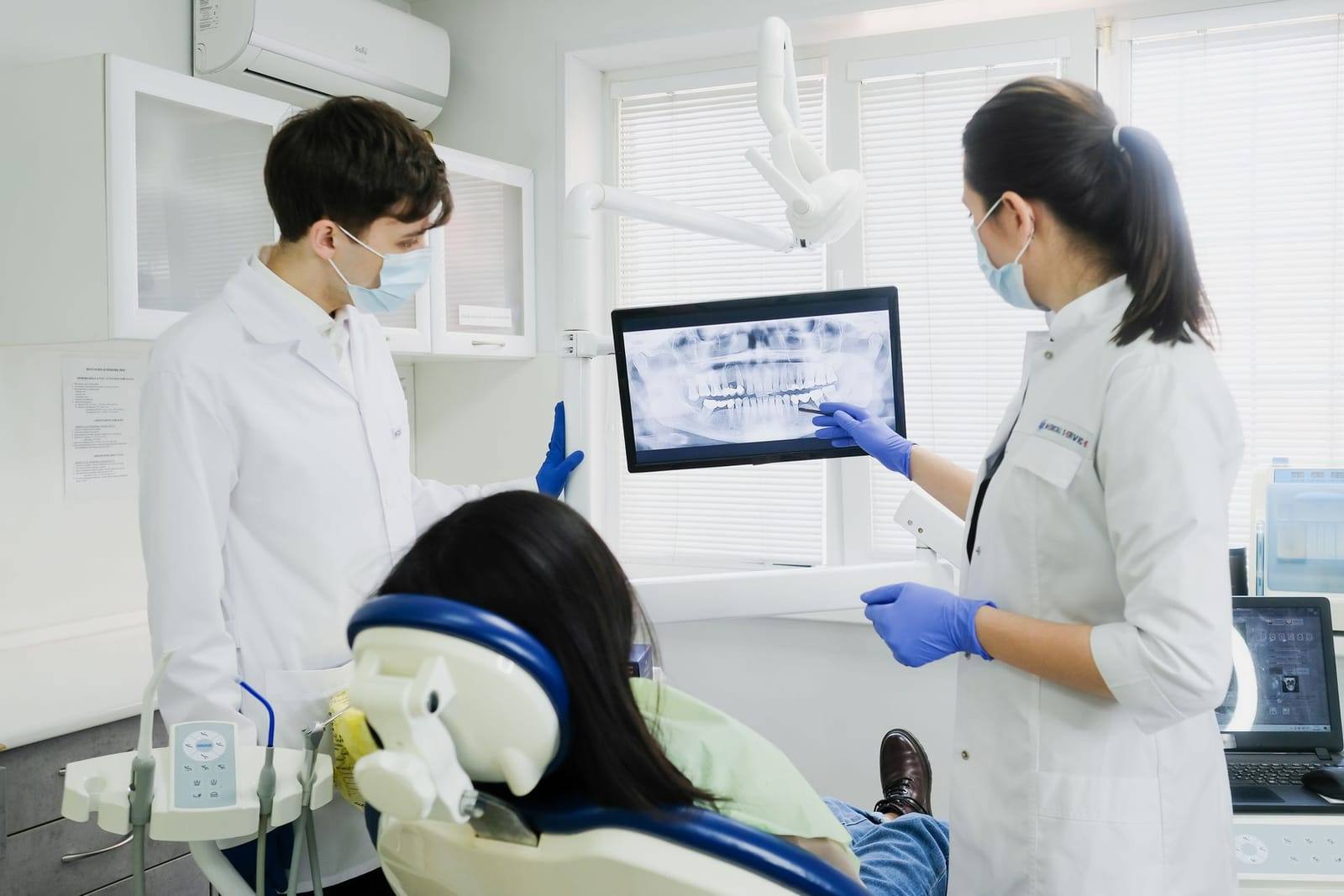
A sinus lift raises the sinus membrane and adds bone beneath it, so an implant can replace an upper molar or premolar. It is planned on a 3D CBCT scan.
The process
A single implant typically takes three to six months from placement to final crown, most of it quiet healing time.
A complimentary CBCT scan shows the bone height, width and nearby nerves and sinuses. You leave with a plan and one written quote.
Your surgeon plans each implant on the scan, and for most cases a 3D-printed guide transfers that plan to surgery.
About an hour per implant under local anesthetic or IV sedation. A temporary tooth or denture covers the gap.
Over three to six months the bone bonds to the implant. Most people go back to work the next day or the day after.
Your dentist or our prosthodontist fits a custom crown, bridge or full arch on the healed implant.
Paying for implants
Your written quote lists the implant, abutment, crown, imaging and anesthesia together, with your dental plan’s estimated share.
Spread treatment over up to 12 months at 0% interest, with a modest deposit. No credit check.
A healthcare credit card with 6–24 month promotional financing for qualified applicants.
A quick, soft-pull application with a decision in about 30 seconds. Monthly plans from 3 to 72 months.
Long-term financing designed for full-arch and larger implant treatment, with fixed monthly payments.
Health savings and flexible spending cards work for eligible surgery, anesthesia and imaging.
Example
An implant, abutment and crown from $3,900. If your dental plan pays $1,500, you’d owe $2,400, or about $200 a month for 12 months, with no interest and no credit check.
Implant surgeons


Prosthodontists
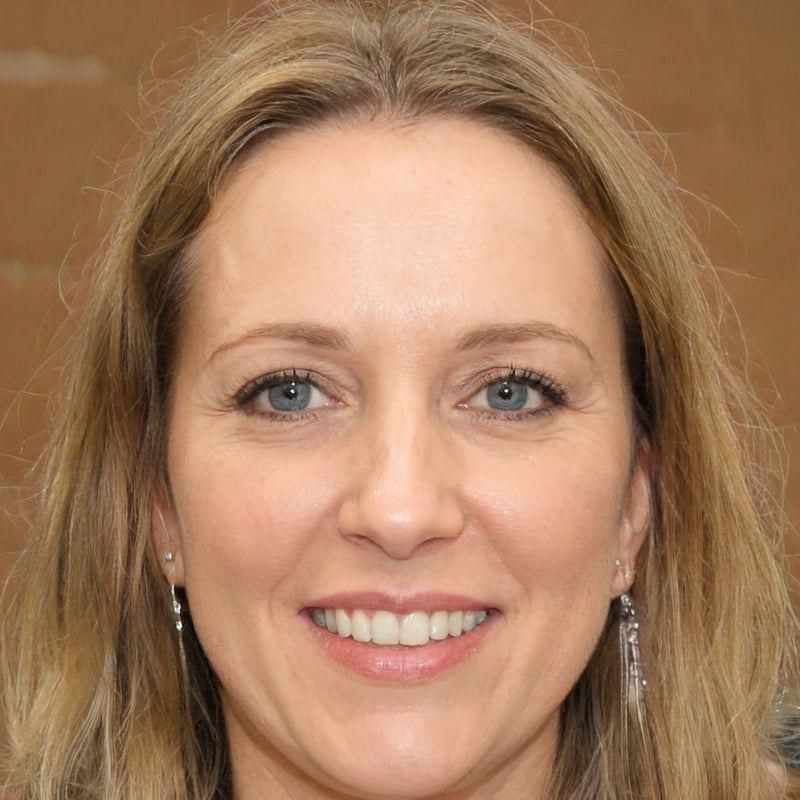
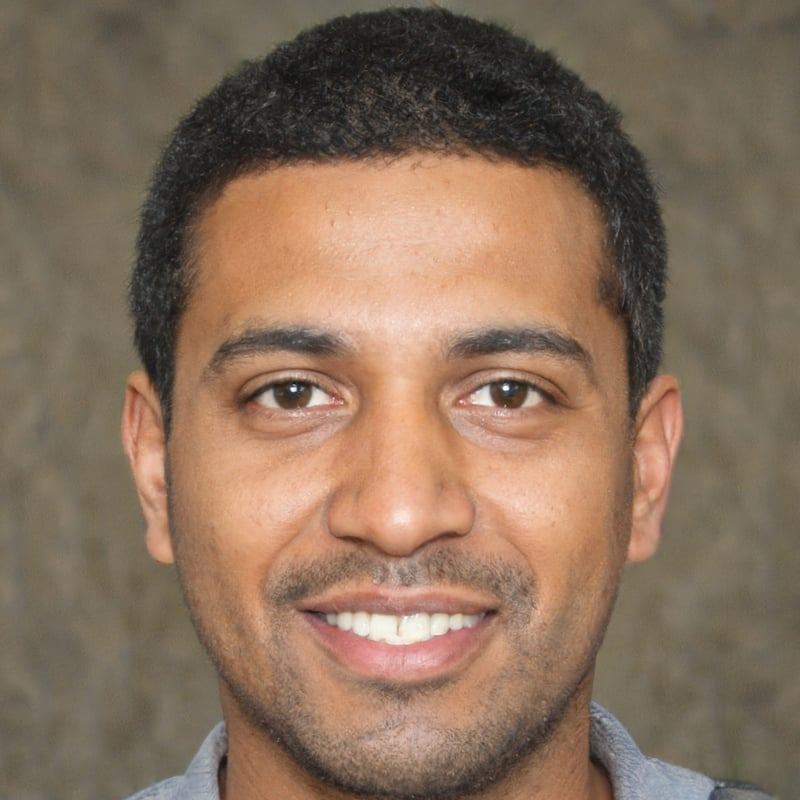
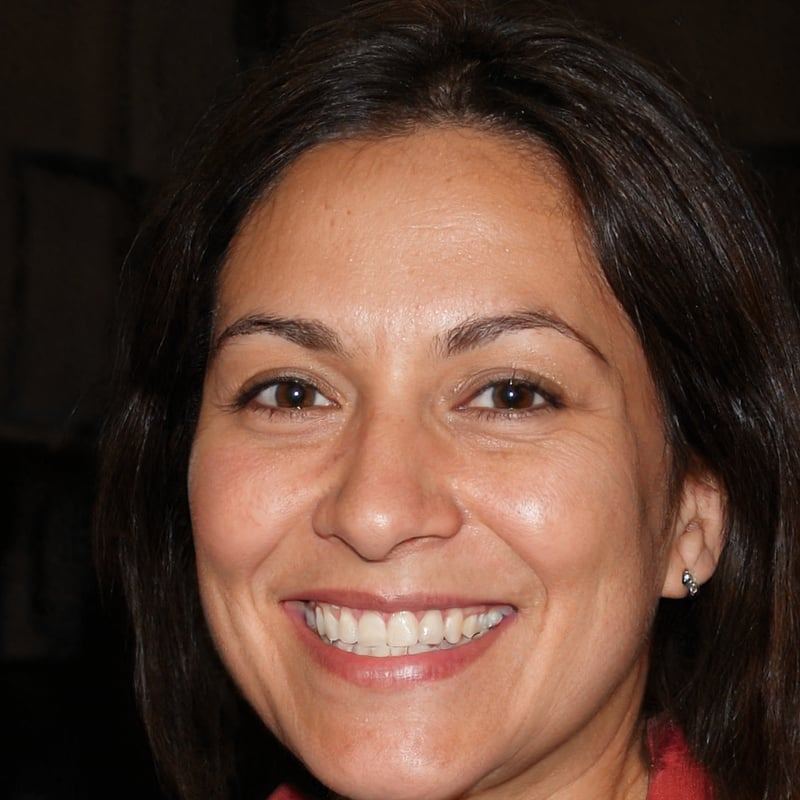
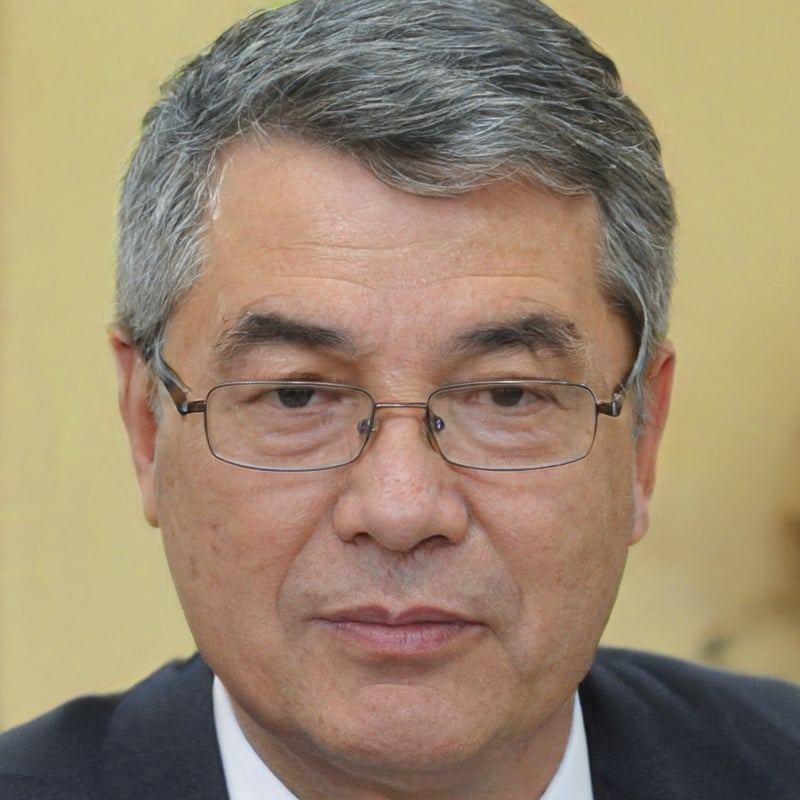
For full-arch and implant dentures, a prosthodontist plans the teeth with your surgeon from the first visit, so the implants are placed where the teeth need them.

Prosthodontist· DDS, MS
Prosthodontist· DMD, MS
Prosthodontist· DDS, MS
Prosthodontist· DDS, MSD
Patient stories
Dr. Mehta replaced a molar I lost years ago. A team member explained the paperwork to my mother in Japanese, which meant a lot to us. The implant took four months in total and the estimate never changed.
Saturday consult, which was the only way I could fit it in. Dr. Whitman showed me exactly where the implant would go on the 3D scan and the estimate matched the final bill to the dollar. The garage validation is a nice touch on Wilshire.
Dr. Romero placed my implant with Dr. Carver supervising. I was skeptical about a fellow at first, but she was meticulous and took more time explaining things than anyone I have seen. Very happy with the result.
Dr. Mendoza and Dr. Park replaced my lower teeth. Dr. Park took time with the shape and shade so it looks like me, not a movie star. Two months later I had my first steak in years. The parking validation helped too.
Three other offices told me I needed a year of bone grafts. Dr. Reyes looked at my scan for a long time and explained zygomatic implants in plain terms. I had my upper arch done in one day at Molly Beverly Hills. Two weeks later I had my first steak in six years.
Dr. Sato replaced my upper and lower teeth. Jordan Ellis handled the anesthesia and I remember nothing of the surgery. Dr. Sato called me that night. Three months on, I had my first steak in six years at a winery dinner.
A single implant with its abutment and crown starts at $3,900. If you need an extraction, a bone graft, a sinus lift or sedation, those are added to your quote only when they apply. After your complimentary consultation and 3D CBCT scan, you receive one written estimate covering every step, with your insurance applied, so the number you see is the number you pay. Financing and 0% in-house plans are available.
Yes. Your implant consultation, including a 3D CBCT scan, is complimentary. You meet the surgeon, see your scan, hear your options, including alternatives to implants, and receive a written quote. There is no obligation to go ahead.
For a single implant, typically four to seven months from placement to the final crown, because the bone needs about three to six months to bond to the implant. If a bone graft is needed first, add a few months. Full-arch patients usually receive fixed provisional teeth on the day of surgery, with the final bridge about four to six months later.
Age alone is rarely the deciding factor. Many patients in their seventies and eighties have implants successfully. What matters more is your general health, your bone, how well conditions such as diabetes are controlled, and whether you smoke. Your surgeon will review your medical history and scan with you.
A single implant replaces one tooth with a crown. Full-arch implants, often called All-on-4 or All-on-X, replace all the teeth in a jaw with a fixed bridge on four to six implants that only your dental team removes. An implant-supported denture is a removable denture that snaps onto two to four implants. Your surgeon and prosthodontist will explain which fits your mouth, priorities and budget.
Your implant consultation and 3D CBCT scan are complimentary. You’ll meet your surgeon, see your scan, and leave with one written quote.