Anesthesia & safety
Comfortable, and closely monitored
Most patients choose IV sedation, and most remember little of their surgery. Whatever you choose, your breathing, heart rhythm and oxygen are watched continuously by a team trained for exactly that.
How it works
Four levels of comfort
Local anesthetic numbs the area. You’re fully awake, and for a simple extraction that is often all you need.
Nitrous oxide, breathed through a small nose mask, takes the edge off and wears off within minutes, so many people can drive themselves home.
IV sedation is given through a small line in your arm or hand. You breathe on your own and stay relaxed and drowsy; most people remember little. It is the choice for most wisdom teeth and implant surgery.
General anesthesia means you are fully asleep. For longer or more complex cases, it is given by one of our dentist anesthesiologists or nurse anesthetists, whose only job that day is your anesthesia.
Your surgeon recommends a level at your consultation, based on the procedure, your health and how you feel about it.
Monitoring standards
What we watch, every time
The same standard at every office, for every sedation, whether the procedure takes 20 minutes or three hours.
- 01
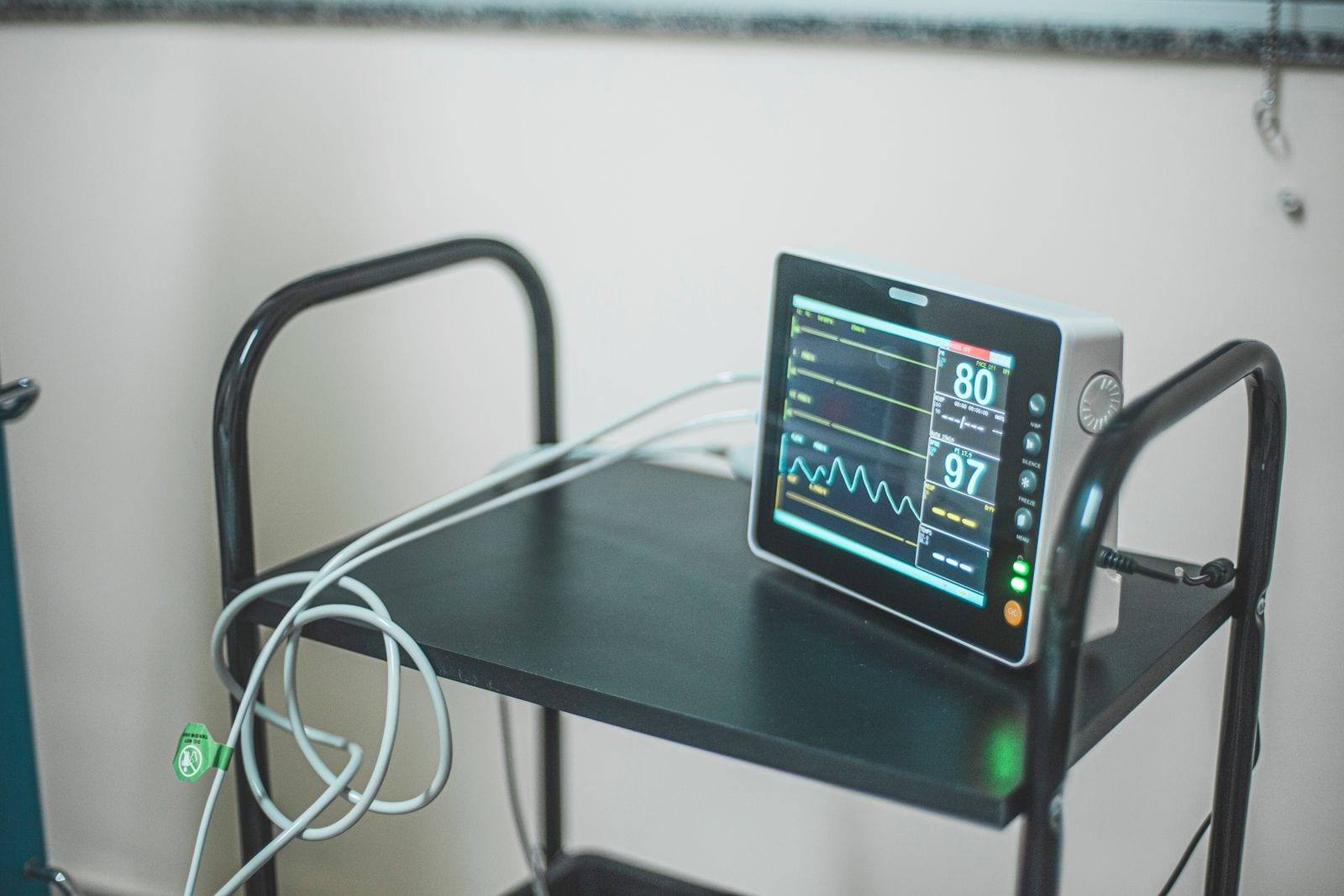
Heart rhythm (ECG)
Continuous ECG from the moment sedation begins until you are awake in recovery.
- 02
Oxygen (pulse oximetry)
A small clip on your finger shows your oxygen level and pulse, second by second.
- 03
Breathing (capnography)
Measures the carbon dioxide you breathe out, the earliest sign of a change in breathing.
- 04
Blood pressure
Checked automatically every few minutes, and recorded in your chart.
- 05
A trained team
Surgeons hold Dental Board of California anesthesia permits, assistants are certified, and the whole team rehearses emergency drills.
- 06
Accredited offices
Every office is AAAHC-accredited, with emergency equipment and medications checked daily.
Fasting and escort
The rules that keep sedation safe
- Nothing to eat for at least 8 hours before IV sedation or general anesthesia.
- Clear liquids, like water or apple juice, until 2 hours before, unless your instructions say otherwise.
- An adult must drive you home and stay with you for the rest of the day.
- No driving, alcohol or important decisions for 24 hours.
- Take your usual medications with a sip of water unless your surgeon tells you otherwise.
- Tell us about blood thinners, diabetes medications and GLP-1 medications such as semaglutide; some need to be paused.

Getting ready for surgery
What to do a week before, the night before and the morning of, including what to wear.
Before surgeryYour surgeon’s written instructions always come first.
Anesthesia team
The people who watch over you
Dentist anesthesiologists, nurse anesthetists and a nurse practitioner who work alongside our surgeons for longer and more complex cases.
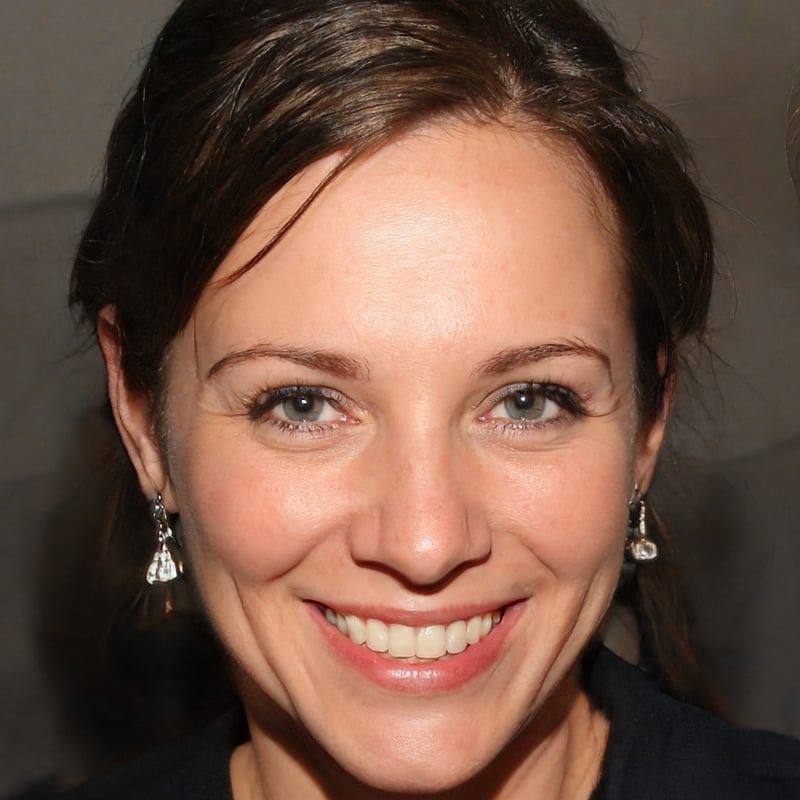
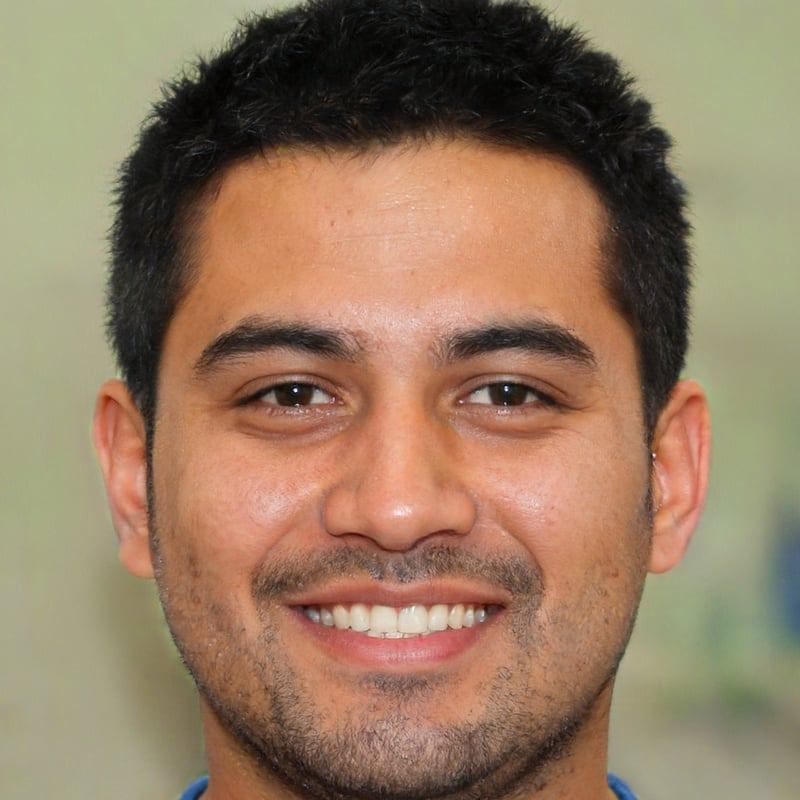
Dr. Leah Morrison
Dentist Anesthesiologist· DMD
Newport Beach · Irvine · Mission Viejo · Huntington Beach
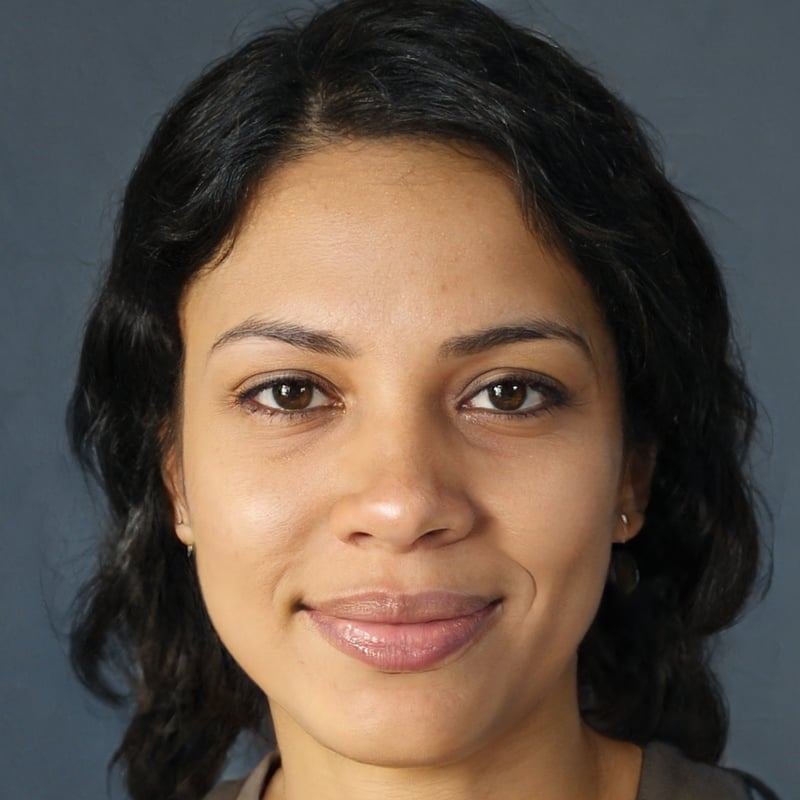
Jordan Ellis
Certified Registered Nurse Anesthetist· DNP, CRNA
Riverside · Rancho Cucamonga · Temecula
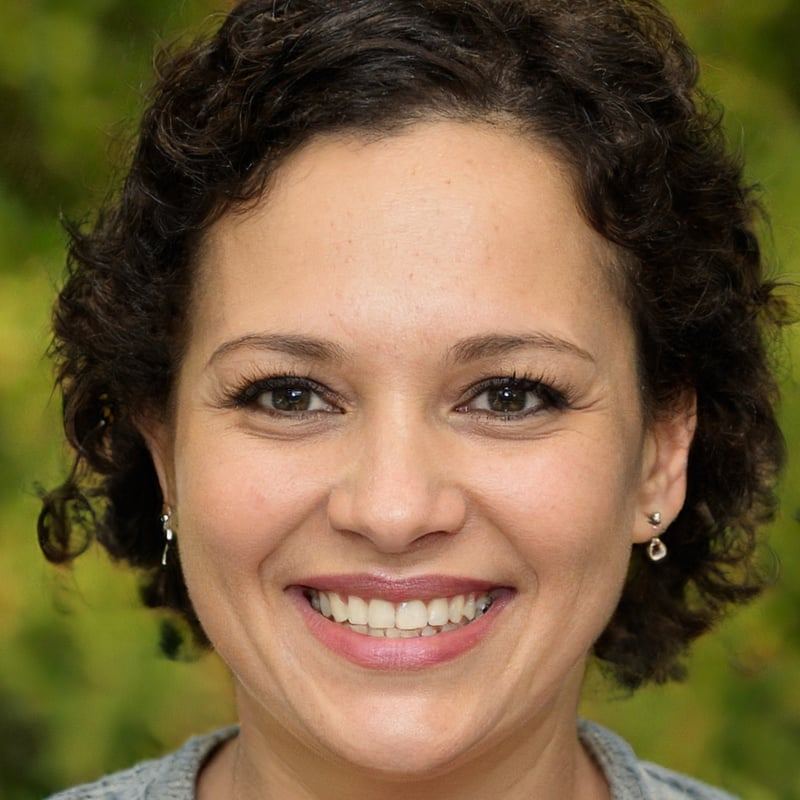
Marisol Vega
Certified Registered Nurse Anesthetist· DNAP, CRNA
Torrance · Long Beach · Anaheim Hills · Fullerton

Anesthesia options
Choose the level that suits you
IV Sedation
IV sedation lets you rest deeply through oral surgery while you keep breathing on your own, with heart rhythm, oxygen and breathing monitored throughout.
From $495

General Anesthesia
General anesthesia provided by a dentist anesthesiologist or CRNA who focuses only on you while your surgeon operates. For longer, complex or more anxious cases.
From $795
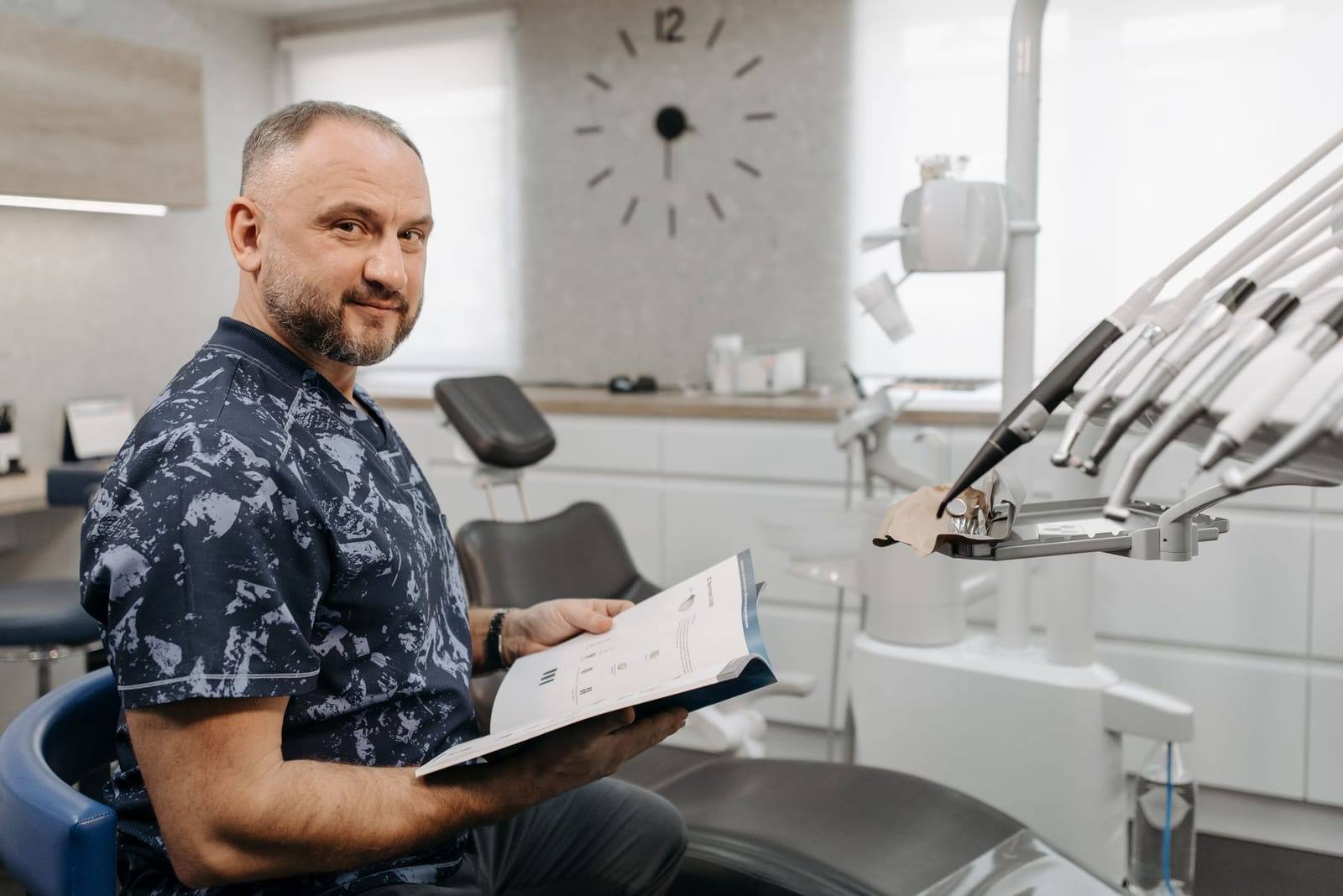
Local Anesthesia & Nitrous Oxide
Local anesthetic numbs the area completely, and nitrous oxide (laughing gas) takes the edge off nerves. You stay awake and recover within minutes.
From $95
Will I be asleep during surgery?
That depends on the procedure and on what you prefer. With IV sedation, the most common choice, you are deeply relaxed and most people remember little or nothing, though you keep breathing on your own. General anesthesia, where you are fully asleep, is available for longer or more complex procedures at offices with a dedicated dentist anesthesiologist or CRNA. Local anesthetic, with or without nitrous oxide, lets you stay awake and comfortable. Your surgeon will help you choose at your consultation.
I'm very nervous about oral surgery. What can help?
You're far from alone, and it's worth telling us. Your surgeon will explain exactly what will happen at your consultation, so nothing is a surprise. Many anxious patients choose IV sedation, and general anesthesia is available for longer cases. On the day, the team talks you through each step, and you can ask to pause at any time. Most patients tell us afterward that it was much easier than they expected.
Can I drive after surgery?
Not after IV sedation or general anesthesia. You need an adult escort who stays at the office, drives you home and stays with you for the rest of the day, and you shouldn't drive, operate machinery or drink alcohol for 24 hours. After local anesthetic alone, or with nitrous oxide, most adults can drive themselves home.
How is my safety monitored during anesthesia?
Throughout sedation or general anesthesia, you are monitored continuously with ECG for heart rhythm, pulse oximetry for oxygen and capnography for breathing, with regular blood pressure checks and supplemental oxygen. Every Molly office is AAAHC-accredited and equipped for emergencies, and our surgeons hold California anesthesia permits. Longer cases have a dedicated dentist anesthesiologist or CRNA whose only job is your anesthesia.
Why do I have to fast before sedation?
An empty stomach lowers the risk of stomach contents entering the lungs while you are sedated, a rare but serious complication. Your written instructions will usually ask for nothing to eat or drink for about 8 hours before your appointment, with approved medications taken with a small sip of water. Please follow them exactly, or your procedure may need to be rescheduled for your safety.
A calm first step.
Book a consultation online in about a minute. Your surgeon reviews your health history and recommends the anesthesia that suits your procedure, and you decide.