Simple and surgical extractions for broken, infected or crowded teeth, with local anesthetic or IV sedation. Your surgeon plans the replacement before the tooth comes out.
Sometimes a tooth cannot be saved. It may be cracked below the gumline, too decayed to restore, loose from advanced gum disease, or failing after a root canal. Teeth are also removed to make room for orthodontic treatment or before radiation therapy. Your general dentist can handle many straightforward extractions, and they refer to an oral surgeon when a tooth is broken down, has curved or fused roots, sits close to a nerve or sinus, or when you would like to be sedated.
Simple and surgical extractions
A simple extraction removes a tooth that is fully visible above the gum. After the area is numb, the tooth is gently loosened and lifted out. A surgical extraction is used when a tooth is broken at the gumline, has long or curved roots, or is partly covered by bone. The surgeon makes a small opening in the gum, may remove a little bone, and often divides the tooth into sections so it can be removed with less force. Both are routine procedures for an oral surgeon.
Before your extraction, your surgeon reviews X-rays and, when a root sits close to the sinus or the nerve in the lower jaw, a 3D CBCT scan. You choose how you would like to be kept comfortable: local anesthetic alone, local with nitrous oxide, or IV sedation with continuous monitoring of your heart rhythm, oxygen and breathing.
Thinking ahead to replacement
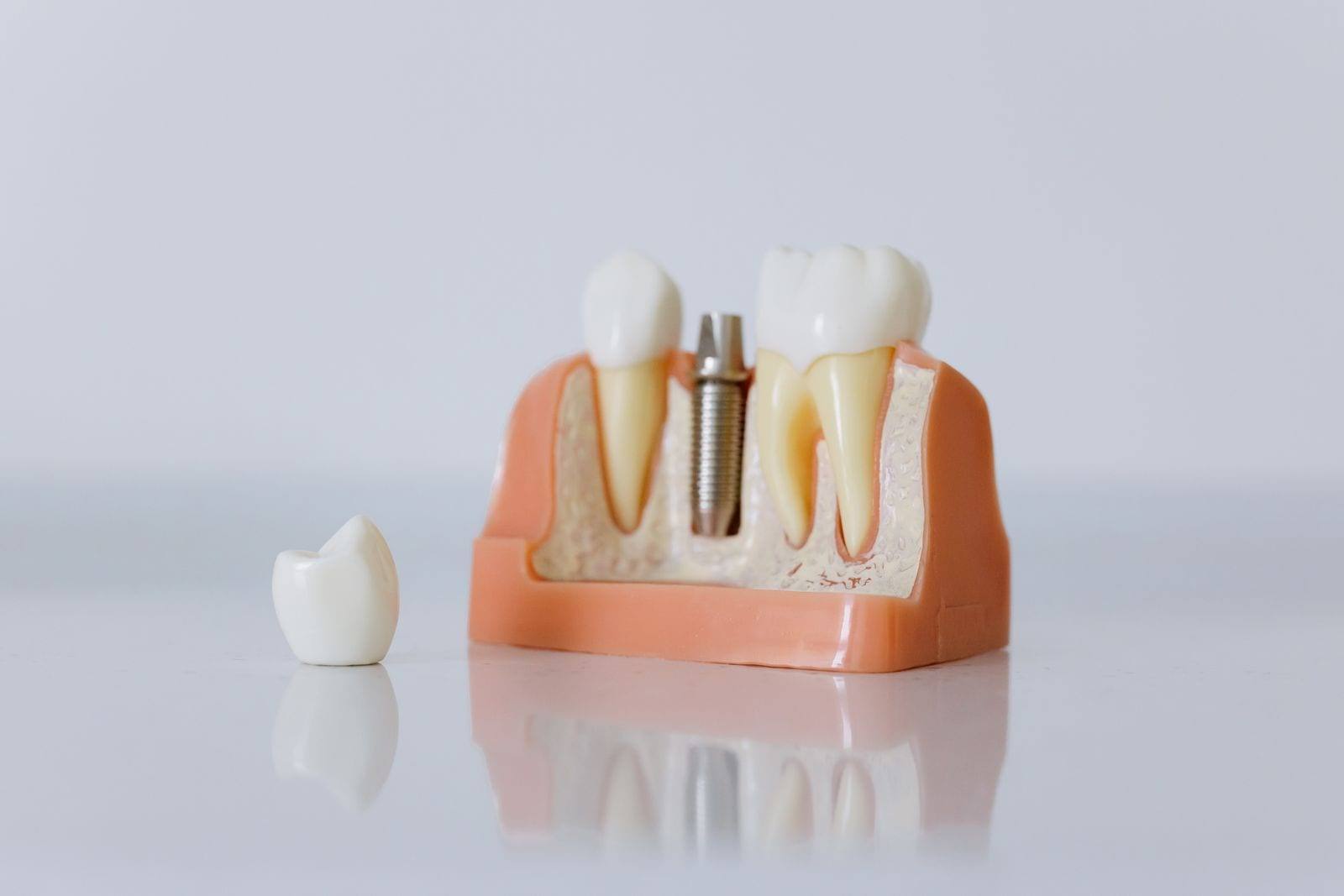
Removing a tooth is often the first step rather than the last. If you plan to replace it with an implant, your surgeon may recommend socket preservation, a small graft placed at the same visit to limit bone shrinkage. In some cases an implant can be placed on the day of the extraction. Front teeth can usually have a temporary replacement so you never leave without a tooth in a visible space. All of this is set out in one written quote before your appointment.
Recovery
Most patients feel sore for two to three days, managed with over-the-counter pain relief or a short prescription. Swelling peaks around the second or third day and then settles. Many people return to work or school the next day after a simple extraction, and within two to four days after a surgical one. The main thing to avoid is dry socket, which happens when the blood clot is lost from the socket, usually three to five days after surgery, and causes a throbbing ache. Not smoking, not using straws and following your written instructions lower the risk, and if it does happen, a medicated dressing usually brings relief within a day.
Your surgeon calls the evening after your extraction, and the 24/7 surgeon line answers any night if you have questions.