ConsultsMost consultations within 48 hours. No referral needed.Request one

Referring doctorsPatient formsPay my bill 24/7 surgeon line (949) 555-0100

Jaw & Facial Surgery

Facial Trauma & Fractures

Expert care for injuries to the teeth, jaws and face, from first aid to repair.

Cost
Billed to medical insurance; we'll estimate your share.
Time
Varies with the injury, from about 30 minutes for a dental injury to several hours for complex fracture repair.
Insurance
Facial trauma is billed to medical insurance, and dental injuries may be billed to dental insurance too.
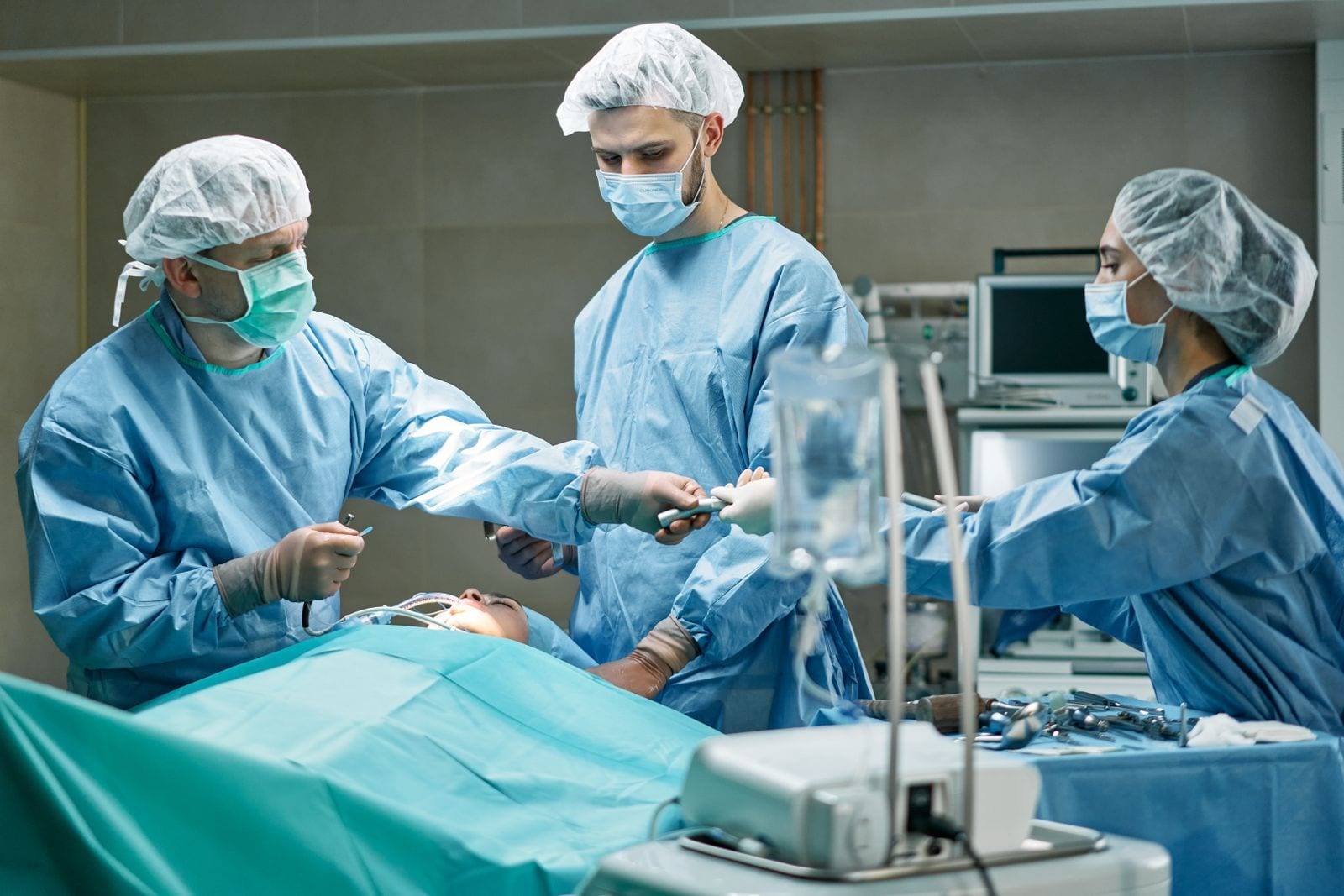
A surgical team preparing in a bright operating room.

Treatment of broken jaws, cheekbones and eye sockets, facial cuts and dental injuries by surgeons who also cover local hospital emergency departments.

Facial injuries happen in car accidents, falls, sports, cycling and surfing, at work and sometimes in assaults. They range from a chipped or knocked-out tooth to fractures of the jaw, cheekbone or eye socket. Oral and maxillofacial surgeons are trained in both dentistry and facial surgery, which matters here: repairing a facial fracture well means restoring the bite and the function of the face, not only the appearance.

When to go to a hospital

If someone has a head injury with confusion, vomiting or loss of consciousness, difficulty breathing, heavy bleeding, or a possible neck injury, call 911 or go directly to an emergency department. Many Molly surgeons provide on-call care at local hospitals and may see you there. Once you are stable, follow-up and planned repairs can continue in the office or as a scheduled hospital procedure.

What we treat

  • Jaw fractures, of the lower jaw (mandible) or upper jaw (maxilla), often noticed as a bite that suddenly feels wrong, pain on chewing or numbness of the lip.
  • Cheekbone and eye socket fractures, which can cause flattening of the cheek, numbness, or double vision. These are treated with the eye team when vision is involved.
  • Nasal and other facial fractures, in coordination with other specialists where appropriate.
  • Soft tissue injuries, such as cuts to the lips, cheeks, tongue and face, repaired with careful attention to function and scarring.
  • Dental injuries: knocked-out, displaced, broken or loose teeth, and fractures of the bone that holds them.

Diagnosis and repair

Your surgeon examines your face, bite, sensation and eye movements and takes a 3D cone-beam CT (CBCT) scan, or reviews hospital CT images, to see each fracture clearly. Some fractures heal well with a soft diet and close monitoring. Others need repair: the bones are realigned and held with small titanium plates and screws, usually through incisions inside the mouth or hidden in natural skin creases. Restoring your bite exactly is part of the plan, and sometimes the teeth are held together briefly with wires or elastics while the bone heals.

More complex repairs are done in a hospital under general anesthesia. Simpler procedures, including many dental injuries and small fractures, can be treated in the office under local anesthetic or IV sedation.

Most jaw fractures heal over about six weeks. Your surgeon follows you closely, coordinates with your dentist for any teeth that need restoring, and can plan implants later for teeth that were lost. Trauma care is billed to medical insurance, and when another party may be responsible, we help with the paperwork.

Why it helps

Why patients choose Facial Trauma

  • Trained in face and bite

    Oral and maxillofacial surgeons repair fractures with the bite and function in mind, not only appearance.

  • Hospital and office care

    Surgeons cover local emergency departments and continue your care in the office.

  • Clear 3D imaging

    A CBCT scan or hospital CT shows every fracture before treatment is planned.

  • Discreet repair

    Incisions are placed inside the mouth or in natural creases wherever possible.

The process

What to expect, step by step

Typical timeline: Varies with the injury, from about 30 minutes for a dental injury to several hours for complex fracture repair.

  1. 01

    Emergency assessment

    In the emergency department or the office, your surgeon examines your face, bite, sensation and eyes.

  2. 02

    Imaging

    A CBCT scan or hospital CT shows the fractures in 3D.

  3. 03

    Treatment plan

    Your surgeon explains whether the injury needs repair or can heal on its own, and what the costs are.

  4. 04

    Repair

    Fractures are realigned and fixed with small plates, under general anesthesia or sedation depending on the injury.

  5. 05

    Healing and follow-up

    About six weeks of a soft diet for most jaw fractures, with regular check-ups.

Is it right for you?

You may be a good candidate if…

  • People with a suspected broken jaw, cheekbone or eye socket
  • Anyone whose bite feels suddenly wrong after an injury
  • Patients with facial cuts involving the lips, cheeks or tongue
  • Children and adults with knocked-out, displaced or broken teeth
  • Patients needing follow-up after emergency room treatment

Recovery tips

  • Follow your diet plan closely. Most jaw fractures need a liquid or soft diet for about six weeks.
  • Use cold compresses and sleep with your head raised for the first few days.
  • Keep the mouth clean with the prescribed rinse and a small soft brush.
  • Avoid contact sports and activities with a risk of falls until your surgeon clears you.
  • Call the 24/7 surgeon line for increasing swelling, fever, changes in vision or a bite that shifts.

Who you’ll see

Surgeons who focus on facial trauma

Paying for care

Ways to pay over time

  • 0% in-house plans

    Spread treatment over up to 12 months at 0% interest, with a modest deposit. No credit check.

  • CareCredit

    A healthcare credit card with 6–24 month promotional financing for qualified applicants.

  • Sunbit

    A quick, soft-pull application with a decision in about 30 seconds. Monthly plans from 3 to 72 months.

  • Proceed Finance

    Long-term financing designed for full-arch and larger implant treatment, with fixed monthly payments.

  • HSA & FSA

    Health savings and flexible spending cards work for eligible surgery, anesthesia and imaging.

FAQ

Facial Trauma questions

Have a question we didn’t cover? Send us a note and a member of our clinical team will get back to you.

How do I know if my jaw is broken?

Common signs include a bite that suddenly feels wrong, pain when chewing or opening, swelling, bruising inside the mouth, and numbness of the lip or chin. If you suspect a fracture, see an oral surgeon or go to an emergency department promptly.

Will my jaw be wired shut?

Usually not for long, if at all. Most fractures are fixed with small titanium plates. Sometimes the teeth are held together briefly with wires or elastics to keep the bite in place while the bone starts to heal.

How long does a broken jaw take to heal?

Most jaw fractures heal over about six weeks, with a soft or liquid diet during that time. Full strength and comfort return gradually over the following weeks.

Will I have scars?

Most repairs are done through incisions inside the mouth or in natural creases, which keeps visible scarring to a minimum. Facial cuts are repaired carefully to heal as discreetly as possible.

What if a tooth was knocked out in the accident?

An adult tooth replanted within about an hour has the best chance of surviving. Keep it in milk or inside your cheek and come in right away. If a tooth can't be saved, an implant can often replace it once the area heals.

A calm first step.

Book a consultation online in about a minute. You’ll meet your surgeon, see your scan, and leave with one written quote before anything is scheduled.