Longer implants anchored in the cheekbone or the bone behind the upper jaw, for patients with severe upper bone loss who have been told implants are not possible.
When the upper jaw has lost a great deal of bone, often after years of wearing a denture, gum disease or failed implants, there may not be enough left to hold standard implants. The usual answer has been extensive grafting: sinus lifts, block grafts and many months of healing before implants can go in. Zygomatic and pterygoid implants offer another route for some patients.
What zygomatic and pterygoid implants are
Zygomatic implants are much longer than standard implants. They start in the upper jaw where your teeth would be and are anchored in the zygoma, the dense cheekbone. Pterygoid implants are anchored at the back of the upper jaw in the pterygoid plate, a column of firm bone behind the last molar position. Both use bone that doesn't shrink the way the tooth-bearing ridge does after teeth are lost.
They are usually combined with standard implants in the front of the jaw where bone allows, and together they support a fixed full-arch bridge. Because they bypass the areas where bone is missing, many patients can avoid sinus lifts and large grafts. In many cases a provisional bridge can be attached shortly after surgery.
A specialized procedure
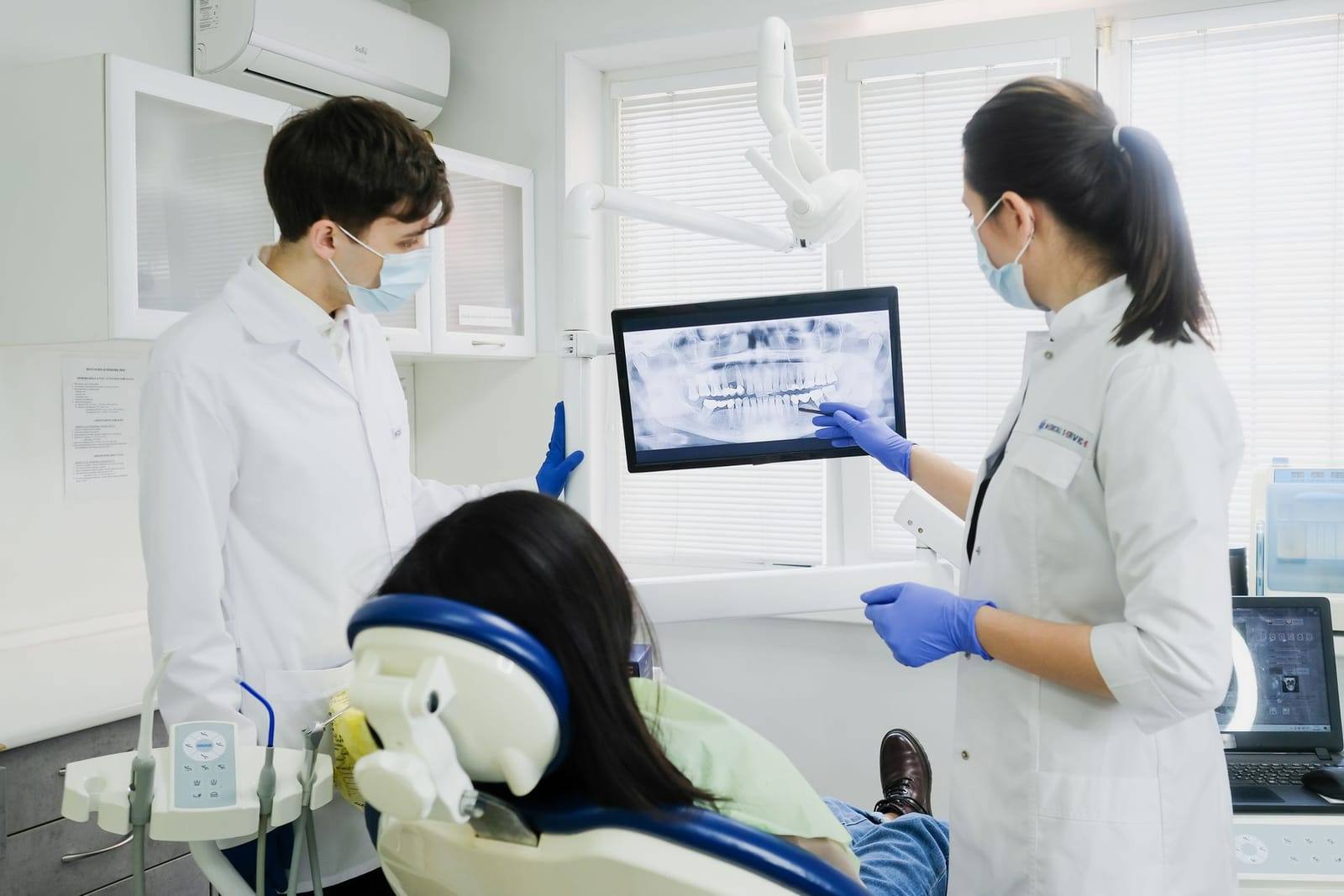
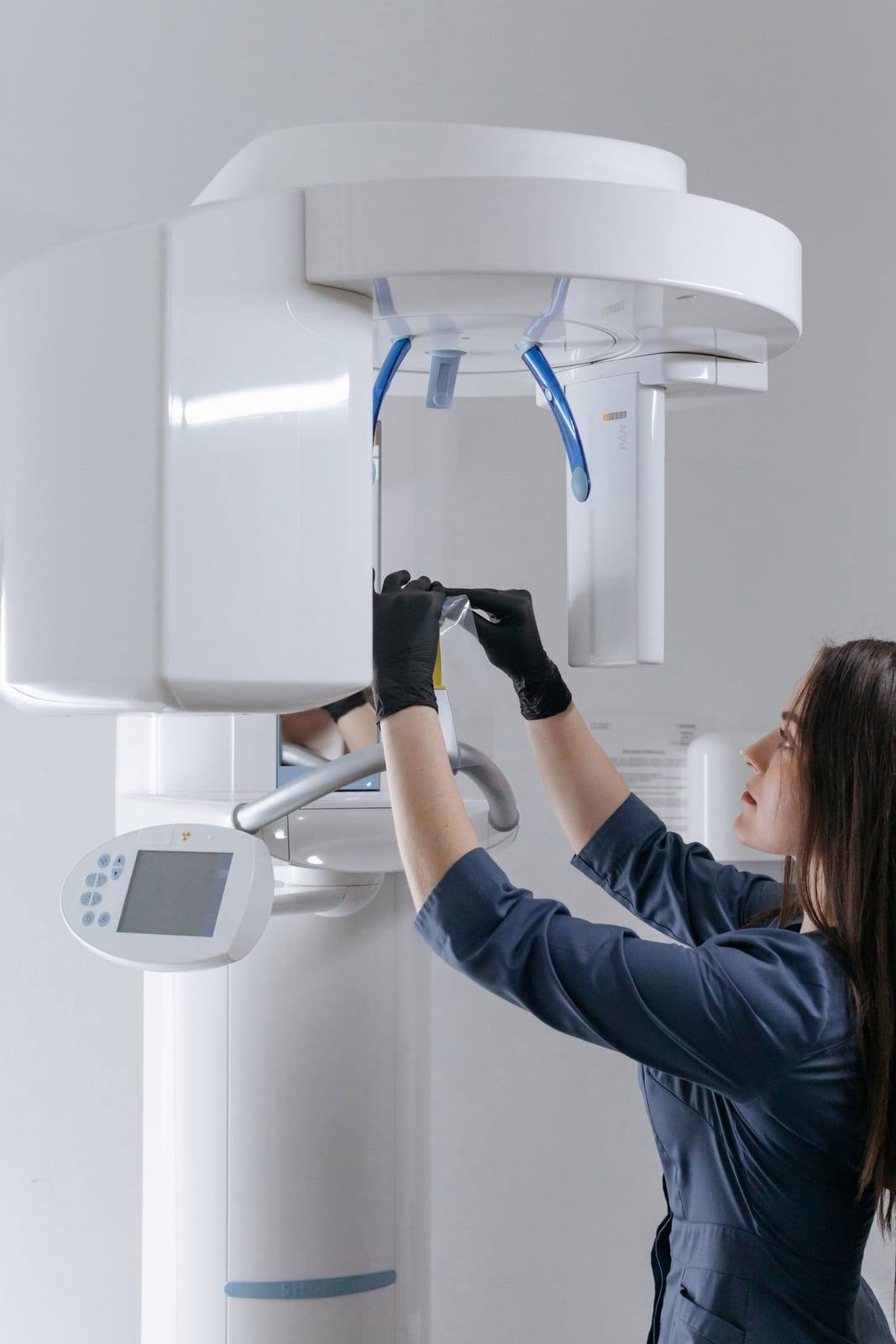
These are advanced implants and not every oral surgeon places them. At Molly they are offered at five offices by surgeons with specific training and experience in them, and every case is planned on a 3D cone-beam CT (CBCT) scan. The scan shows the cheekbone, the sinuses, the eye socket floor and the nerves, so the path of each implant can be mapped in software well before surgery. An in-house prosthodontist designs the bridge alongside the surgeon.
Surgery is done under general anesthesia or deep IV sedation with a dedicated anesthesia provider, in an AAAHC-accredited surgical suite or, for some cases, a hospital. Expect more swelling and bruising than with standard implants, often around the cheeks and sometimes under the eyes, which usually settles over one to two weeks. You'll stay on a soft diet while the implants integrate, typically four to six months, before the final bridge is made.
Like any surgery, these implants carry risks, including sinus inflammation, and their complication profile differs from standard implants. Your surgeon will discuss these openly and compare them with grafting and other options, including an implant-supported denture. Your surgeon calls the evening after surgery, and the 24/7 surgeon line is there any night. You'll have one written quote for the whole treatment before anything is scheduled.