ConsultsMost consultations within 48 hours. No referral needed.Request one

Referring doctorsPatient formsPay my bill 24/7 surgeon line (949) 555-0100

Bone & Tissue Grafting

Gum Grafting

Covering exposed roots and thickening thin gums around teeth and implants.

Cost
From $950
Time
About 60 to 90 minutes for one or two sites. Initial healing takes about two weeks.
Insurance
Many dental plans cover gum grafts as a periodontal procedure when recession meets their criteria, usually at 50 to 80 percent up to your annual maximum.
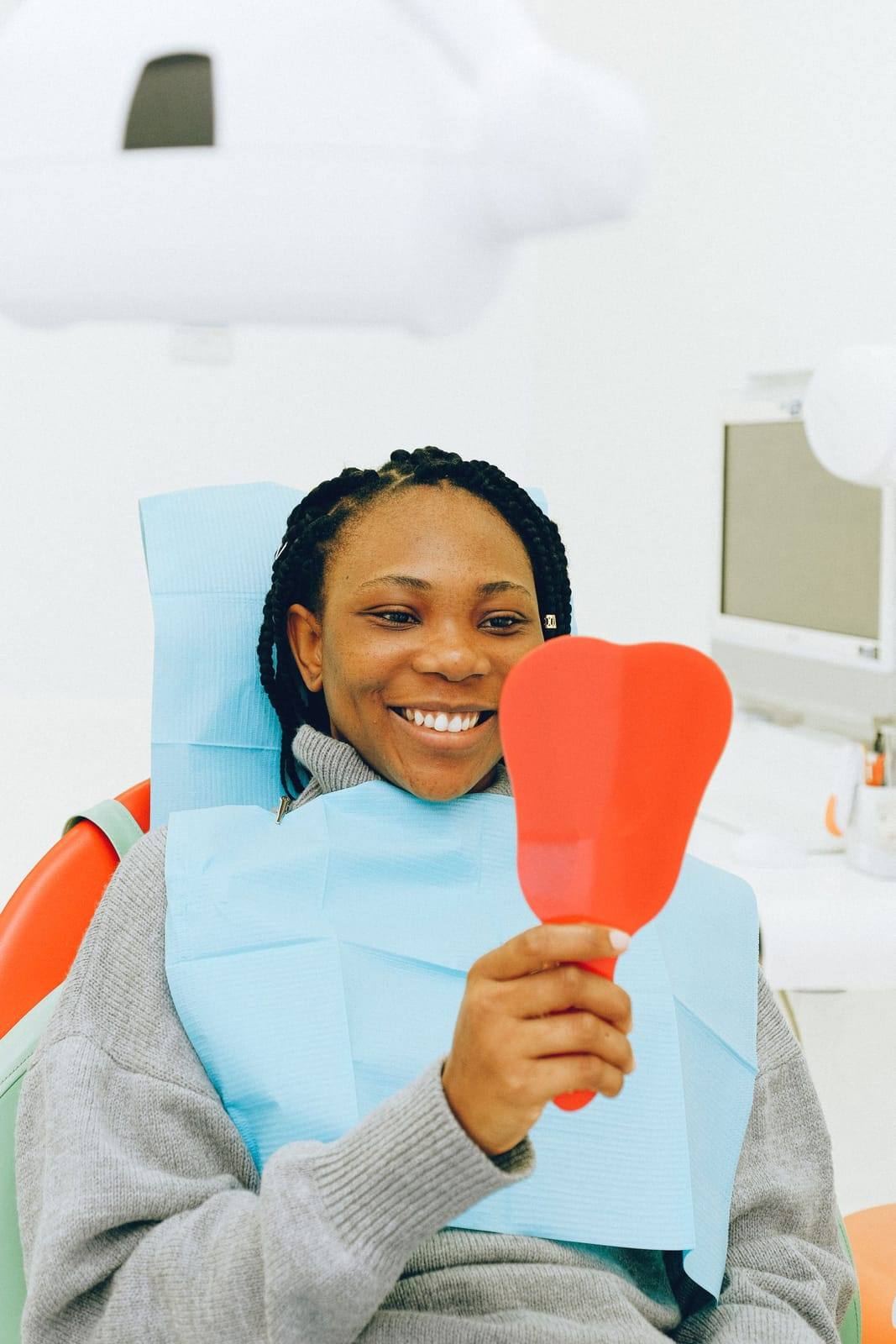
A woman checking her gumline and smile in a mirror.

A soft tissue graft that covers receding gums, protects exposed roots and builds thicker gum around teeth and implants. Done by our surgeons and periodontists.

Gum recession happens when the gum pulls back from a tooth and exposes part of the root. It is common and often develops slowly, so many people notice it only when a tooth becomes sensitive to cold or starts to look longer than its neighbors. Brushing too hard, thin gum tissue, past orthodontic movement, grinding and gum disease can all contribute. Once the gum has receded, it does not grow back on its own.

A gum graft adds healthy soft tissue to the area. It can cover exposed roots, reduce sensitivity, protect the tooth from root decay and wear, and create a band of thicker, firmer gum that is more resistant to further recession. Around dental implants, thicker gum also helps the tissue stay stable and look natural.

Types of gum graft

  • Connective tissue graft. A thin layer of tissue is taken from beneath the surface of the palate and placed under the gum at the recession site. This is the most common approach for root coverage.
  • Free gingival graft. A small piece of tissue from the palate surface is used to thicken gum where there is very little firm tissue.
  • Donor tissue graft. Processed donor tissue can be used instead of palate tissue, which avoids a second surgical site and can treat several teeth at once.

At Molly, gum grafts are performed by our oral surgeons and by the periodontists who work alongside them at several offices. Your surgeon will measure the recession, check the bone underneath on X-rays or a CBCT scan, and recommend the approach that fits. Platelet-rich fibrin is sometimes added to support healing.

Comfort and recovery

Gum grafting is done with local anesthetic, and IV sedation is available. Most patients take one or two days off work. The graft site is usually tender for a few days, and if tissue was taken from the palate, that area tends to be the more sore of the two for about a week. A protective palatal stent or dressing can help.

The graft attaches over the first two weeks and continues to mature for several months. How much root is covered depends on the bone and gum between the teeth, so your surgeon will give you a realistic expectation before treatment rather than a promise. You will receive one written quote, a call from your surgeon the evening after, and access to the 24/7 surgeon line while you heal.


Why it helps

Why patients choose Gum Grafting

  • Covers exposed roots

    A graft can cover part or all of an exposed root, depending on the bone and gum between the teeth.

  • Less sensitivity

    Covered roots are usually less sensitive to cold, sweets and brushing.

  • Protects against further recession

    A thicker band of firm gum is more resistant to wearing away over time.

  • Healthier tissue around implants

    Thicker gum around an implant helps it stay stable and easier to keep clean.

The process

What to expect, step by step

Typical timeline: About 60 to 90 minutes for one or two sites. Initial healing takes about two weeks.

  1. 01

    Evaluation

    Your surgeon measures the recession, reviews X-rays or a CBCT scan, and explains what coverage is realistic.

  2. 02

    Choosing the graft

    You decide together between palate tissue and donor tissue, based on the number of teeth and your preference.

  3. 03

    Graft surgery

    Under local anesthetic or IV sedation, the graft is placed and stitched with fine sutures.

  4. 04

    Early healing

    The graft attaches over about two weeks. Sutures are removed or dissolve at your follow-up.

  5. 05

    Maturing

    The tissue firms and blends over two to three months, and you return to normal brushing with a softer technique.

Is it right for you?

You may be a good candidate if…

  • Adults with gum recession that is progressing or causing sensitivity
  • Teeth with thin gum tissue before or after orthodontic treatment
  • Implants with thin or receding gum around them
  • Patients whose gum disease has been treated and is under control
  • People bothered by the look of longer teeth or uneven gumlines

Recovery tips

  • Do not brush or floss the graft site until your surgeon says so, usually about two weeks. Use the prescribed rinse instead.
  • Eat soft, cool foods for the first week and chew away from the graft.
  • Avoid pulling your lip or cheek to look at the area, as this can disturb the graft.
  • Wear the palatal stent if one was made for you, especially while eating.
  • Skip smoking and vaping during healing, since they reduce blood supply to the graft.

Who you’ll see

Surgeons who focus on gum grafting

Patient stories

What gum grafting patients say

Facebook

Dr. Moreau grafted two areas of recession. He showed me photos of what to expect during healing, which helped. The estimate was exact, and my insurance paid what they said it would.

Shirin H.Mission Viejo ·
Facebook

Gum graft with Dr. Rahman went well and she was very thorough. The first few days were more sore than I expected, but she had warned me, and the callback that evening helped. Good result.

Kevin D.Torrance ·

Paying for care

Ways to pay over time

  • 0% in-house plans

    Spread treatment over up to 12 months at 0% interest, with a modest deposit. No credit check.

  • CareCredit

    A healthcare credit card with 6–24 month promotional financing for qualified applicants.

  • Sunbit

    A quick, soft-pull application with a decision in about 30 seconds. Monthly plans from 3 to 72 months.

  • Proceed Finance

    Long-term financing designed for full-arch and larger implant treatment, with fixed monthly payments.

  • HSA & FSA

    Health savings and flexible spending cards work for eligible surgery, anesthesia and imaging.

FAQ

Gum Grafting questions

Have a question we didn’t cover? Send us a note and a member of our clinical team will get back to you.

Is gum grafting painful?

The area is numbed during surgery. Afterward, most people feel tenderness for several days, and if palate tissue was used, the palate is usually the sorer site. Prescribed or over-the-counter pain relief and a palatal stent help.

How long does a gum graft take to heal?

The graft attaches in about two weeks and continues to mature over two to three months. Most patients return to work within one or two days.

Will the gum cover the whole root?

Not always. Full coverage is more likely when the bone and gum between the teeth are intact. Your surgeon will tell you what is realistic for each tooth before you decide.

Can I avoid tissue from the roof of my mouth?

Often, yes. Processed donor tissue is a good option for many patients and avoids a second surgical site. Your surgeon will discuss whether it suits your situation.

Will recession come back after a graft?

A well-healed graft is usually stable for many years, especially if you use a soft brush, a gentle technique and a night guard if you grind. Regular checkups help catch changes early.

A calm first step.

Book a consultation online in about a minute. You’ll meet your surgeon, see your scan, and leave with one written quote before anything is scheduled.