ConsultsMost consultations within 48 hours. No referral needed.Request one

Referring doctorsPatient formsPay my bill 24/7 surgeon line (949) 555-0100

Bone & Tissue Grafting

Bone Grafting

Rebuilding the jawbone so an implant has a stable foundation.

Cost
From $450
Time
About 30 to 60 minutes for most single sites. Larger grafts heal four to nine months before an implant.
Insurance
Some dental plans cover bone grafts as part of implant treatment, and others exclude them.
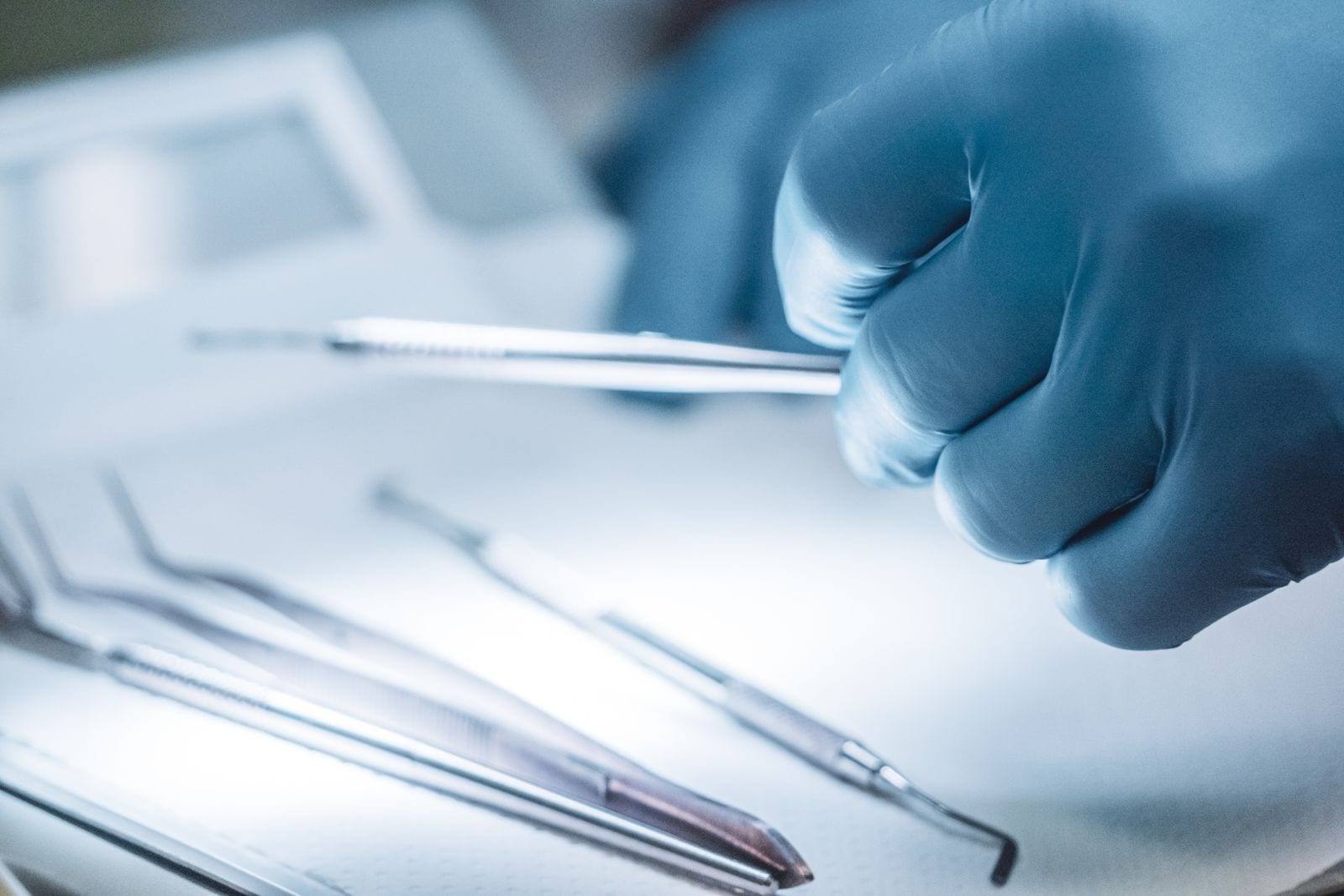
Gloved hands arranging surgical instruments on a sterile tray.

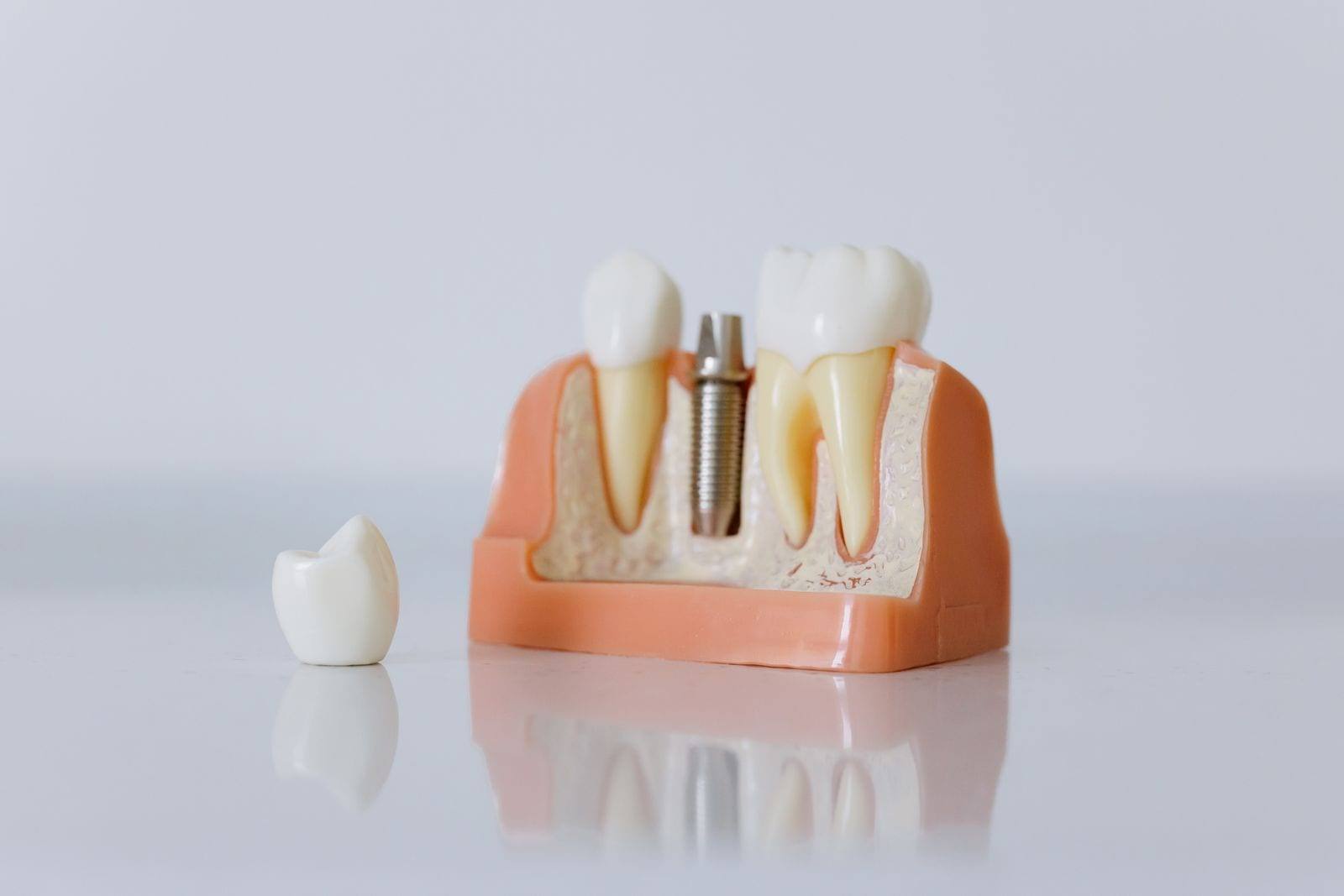
Bone grafting restores the height and width of the jaw where bone has been lost, so implants can be placed securely. Planned on a 3D CBCT scan.

When a tooth is lost, the bone that held it begins to shrink. Over months and years the ridge becomes narrower and shorter, and it can reach the point where there isn't enough bone left to hold a dental implant. Gum disease, infection, injury and long-term denture wear cause bone loss too. A bone graft rebuilds the missing volume so an implant can be placed in the right position, with enough bone around it to stay healthy.

Types of bone graft

Graft material acts as a scaffold. Your body gradually replaces it with your own new bone over several months. Surgeons choose the material and technique for each site:

  • Particulate grafts use granules of processed donor bone (from a tissue bank), bovine bone or a synthetic material, often covered with a protective membrane. They are the most common choice for small and moderate defects.
  • Ridge augmentation builds up a narrow or short ridge, sometimes using a titanium mesh or a tented membrane to hold space while the bone forms.
  • Autogenous grafts use a small amount of your own bone, usually from nearby in the jaw, for larger or more demanding defects.
  • Socket preservation places graft material at the time of an extraction to limit shrinkage before it starts.

In the upper back jaw, where the sinus sits above the bone, a sinus lift adds height from above. Many grafts are combined with platelet-rich fibrin, made from your own blood, to support healing.

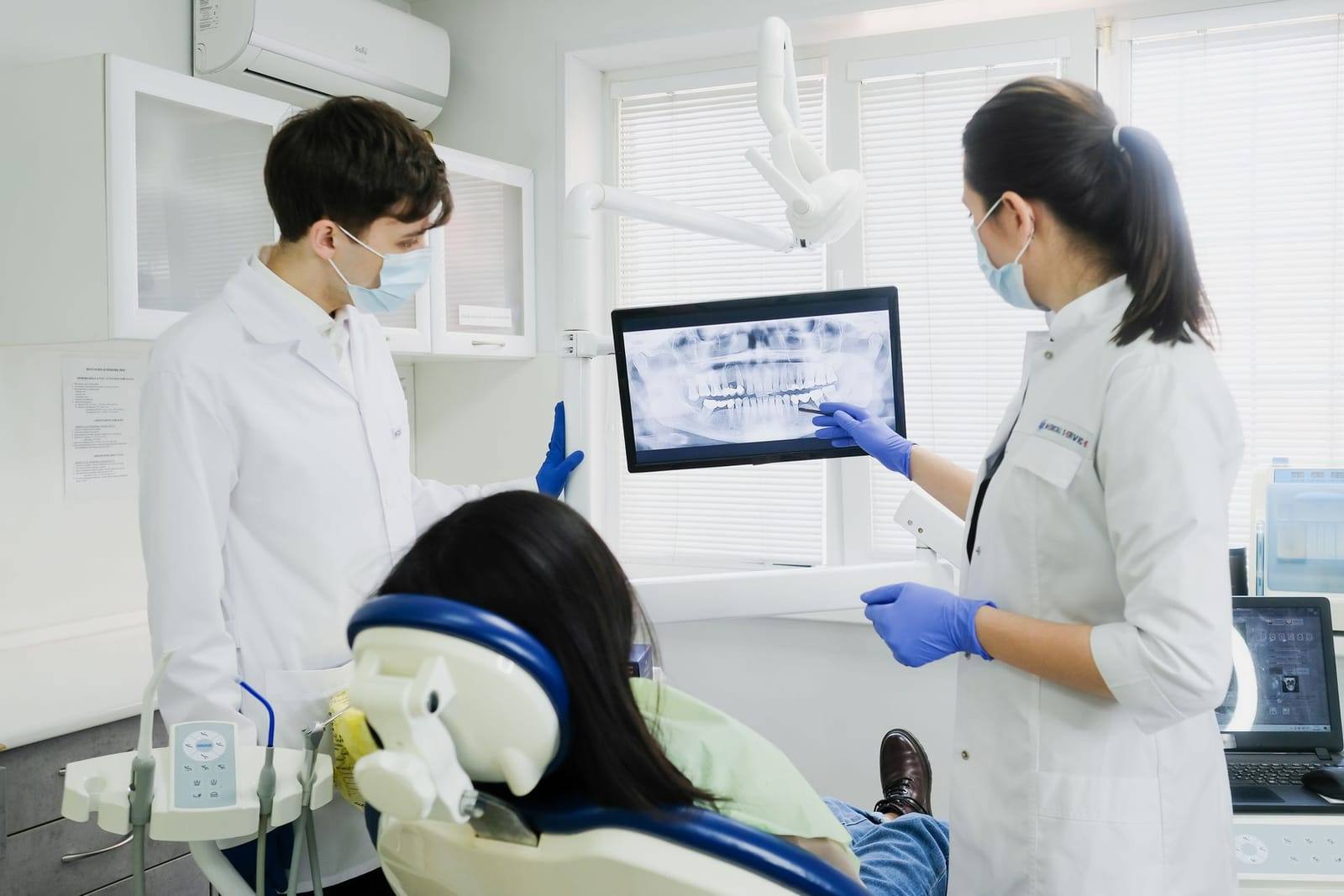
Planned on a 3D scan

At Molly, every graft is planned on a 3D cone-beam CT (CBCT) scan, which measures bone height, width and density and shows the nerve and sinus. Your surgeon plans the final implant position first, then works out exactly how much bone is needed and where. Small grafts can often be placed at the same visit as the implant. Larger grafts are placed first and allowed to heal, usually for four to nine months, before the implant goes in.

Most grafts are done under local anesthetic, with IV sedation available and continuous monitoring throughout. Grafting a single site often takes 30 to 60 minutes.

What healing is like

Expect swelling and tenderness for a few days, sometimes with bruising for larger grafts. Most people return to work the next day or within two to three days. You may notice a few small granules of graft material in your mouth during the first week, which is normal. Keeping pressure off the site matters: soft foods, no smoking and following your instructions give the graft the best chance to mature.

Grafts don't always take fully, and sometimes a small touch-up graft is needed. Your surgeon checks progress with X-rays or a follow-up scan before any implant is placed. As always, you'll get one written quote covering the graft, the implant and every visit in between.
Why it helps

Why patients choose Bone Grafting

  • Makes implants possible

    Rebuilding lost bone lets an implant be placed where the final tooth needs to be.

  • Planned precisely

    A 3D CBCT scan measures exactly how much bone is missing and where.

  • Supports long-term health

    Enough bone around an implant helps keep the gum and bone stable for years.

  • Often done with the implant

    Smaller grafts can frequently be placed at the same visit as the implant.

The process

What to expect, step by step

Typical timeline: About 30 to 60 minutes for most single sites. Larger grafts heal four to nine months before an implant.

  1. 01

    CBCT scan and plan

    Your surgeon measures the bone in 3D and plans the implant and graft together.

  2. 02

    One written quote

    The graft, implant, anesthesia and follow-ups are in one estimate, with your insurance checked.

  3. 03

    Graft placement

    Under local anesthetic or IV sedation, graft material is placed and covered with a membrane where needed.

  4. 04

    Healing

    Small grafts heal alongside the implant. Larger grafts typically heal for four to nine months first.

  5. 05

    Implant placement

    Once the bone has matured, your surgeon confirms it on imaging and places the implant.

Is it right for you?

You may be a good candidate if…

  • Patients who have been told they lack enough bone for an implant
  • People who lost a tooth some time ago and have a narrow or shrunken ridge
  • Anyone having a tooth removed who plans an implant later
  • Patients with bone loss from gum disease, infection or injury
  • Long-term denture wearers considering implants

Recovery tips

  • Use ice for the first 24 to 48 hours, 20 minutes on and 20 off.
  • Eat soft foods and avoid chewing on the graft site for at least two weeks.
  • Don't smoke or vape. Smoking is one of the most common reasons grafts don't take.
  • Avoid pulling your lip or cheek to look at the site, which can loosen the stitches.
  • A few small granules in your mouth in the first week is normal. Call us if more than a little comes out.

Who you’ll see

Surgeons who focus on bone grafting

Paying for care

Ways to pay over time

  • 0% in-house plans

    Spread treatment over up to 12 months at 0% interest, with a modest deposit. No credit check.

  • CareCredit

    A healthcare credit card with 6–24 month promotional financing for qualified applicants.

  • Sunbit

    A quick, soft-pull application with a decision in about 30 seconds. Monthly plans from 3 to 72 months.

  • Proceed Finance

    Long-term financing designed for full-arch and larger implant treatment, with fixed monthly payments.

  • HSA & FSA

    Health savings and flexible spending cards work for eligible surgery, anesthesia and imaging.

FAQ

Bone Grafting questions

Have a question we didn’t cover? Send us a note and a member of our clinical team will get back to you.

Where does the graft material come from?

Most grafts use processed donor bone from an accredited tissue bank, bovine bone or a synthetic material, all of which are carefully screened and processed. For some larger defects, a small amount of your own bone is used. Your surgeon will explain the options and why one suits your case.

Does a bone graft hurt?

The area is numbed and IV sedation is available. Afterward, most people have a few days of soreness and swelling that over-the-counter pain relief manages. Larger grafts can be more tender.

How long until I can get an implant?

Small grafts are often placed with the implant at the same visit. Larger grafts usually heal for four to nine months first. Your surgeon confirms the bone is ready with imaging.

What if the graft doesn't take?

Most grafts heal well, but some resorb more than expected or need a small additional graft. Not smoking and protecting the site improve the odds. Your surgeon checks the result before placing an implant.

How much does a bone graft cost?

Grafts start at $450 per site, and larger reconstructions cost more. Your written quote shows exactly what is needed and what your insurance is expected to pay.

A calm first step.

Book a consultation online in about a minute. You’ll meet your surgeon, see your scan, and leave with one written quote before anything is scheduled.