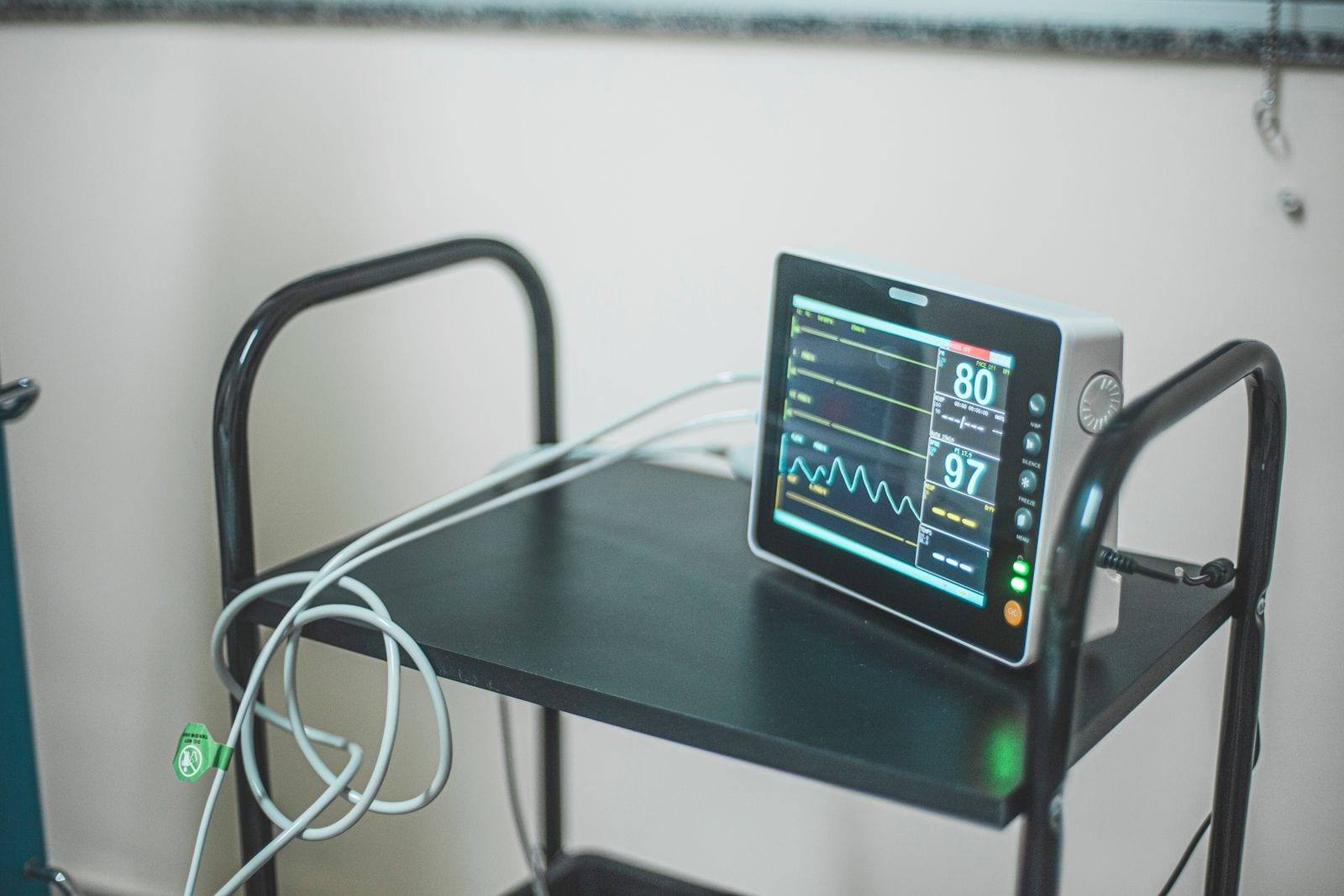
IV sedation lets you rest deeply through oral surgery while you keep breathing on your own, with heart rhythm, oxygen and breathing monitored throughout.
IV sedation, sometimes called twilight sleep, is medication given through a small intravenous line, usually in the back of the hand or the arm. Within a minute or two you feel deeply relaxed and drowsy. You keep breathing on your own and can respond to simple requests, but most people remember little or nothing of the procedure afterward. Combined with local anesthetic to numb the area, it is the most common choice for wisdom teeth removal, dental implants and other oral surgery.
How Molly does anesthesia
Oral and maxillofacial surgeons complete extensive hospital-based anesthesia training during residency, and every Molly surgeon holds the California permit required to provide sedation. Every office is accredited by AAAHC, the Accreditation Association for Ambulatory Health Care, which reviews safety and anesthesia practices.
During sedation you are monitored continuously with:
- ECG, which tracks your heart rhythm
- Pulse oximetry, which measures the oxygen in your blood
- Capnography, which measures the carbon dioxide in each breath, an early signal of how well you are breathing
- Blood pressure, checked at regular intervals
You also receive supplemental oxygen. A trained surgical assistant watches your monitors alongside the surgeon, and for longer or more complex cases a dedicated anesthesia provider, a dentist anesthesiologist or certified registered nurse anesthetist (CRNA), manages your sedation while the surgeon operates. Every office has emergency equipment and medications, and the team practices emergency drills regularly.
Preparing for sedation
Your surgeon reviews your medical history, medications and any previous experiences with anesthesia at your consultation. Tell us about heart or lung conditions, sleep apnea, diabetes, pregnancy and any supplements you take. You'll receive written instructions, which usually include:
- No food or drink for about 8 hours before your appointment, unless your instructions say otherwise
- Taking approved medications with a small sip of water
- Wearing loose, comfortable clothing with sleeves that roll up easily
- Arranging an adult escort who stays at the office, drives you home and stays with you for the rest of the day
Afterward
You rest in a recovery area until you are awake enough to leave, usually 20 to 30 minutes. You may feel sleepy for the rest of the day. For 24 hours, don't drive, operate machinery, drink alcohol or make important decisions. Nausea is uncommon, and many people are surprised by how quickly they feel themselves again.
Your surgeon calls you the evening after your procedure to check how you're doing, and the 24/7 surgeon line answers any night. If you prefer to stay awake, local anesthesia with nitrous oxide is an alternative. For longer procedures or deeper anesthesia, see general anesthesia.