Technology
Tools that make surgery more predictable
We choose technology for one reason: it lets your surgeon see more, plan more precisely, or keep you safer. Here is what we use, and what it means for you.
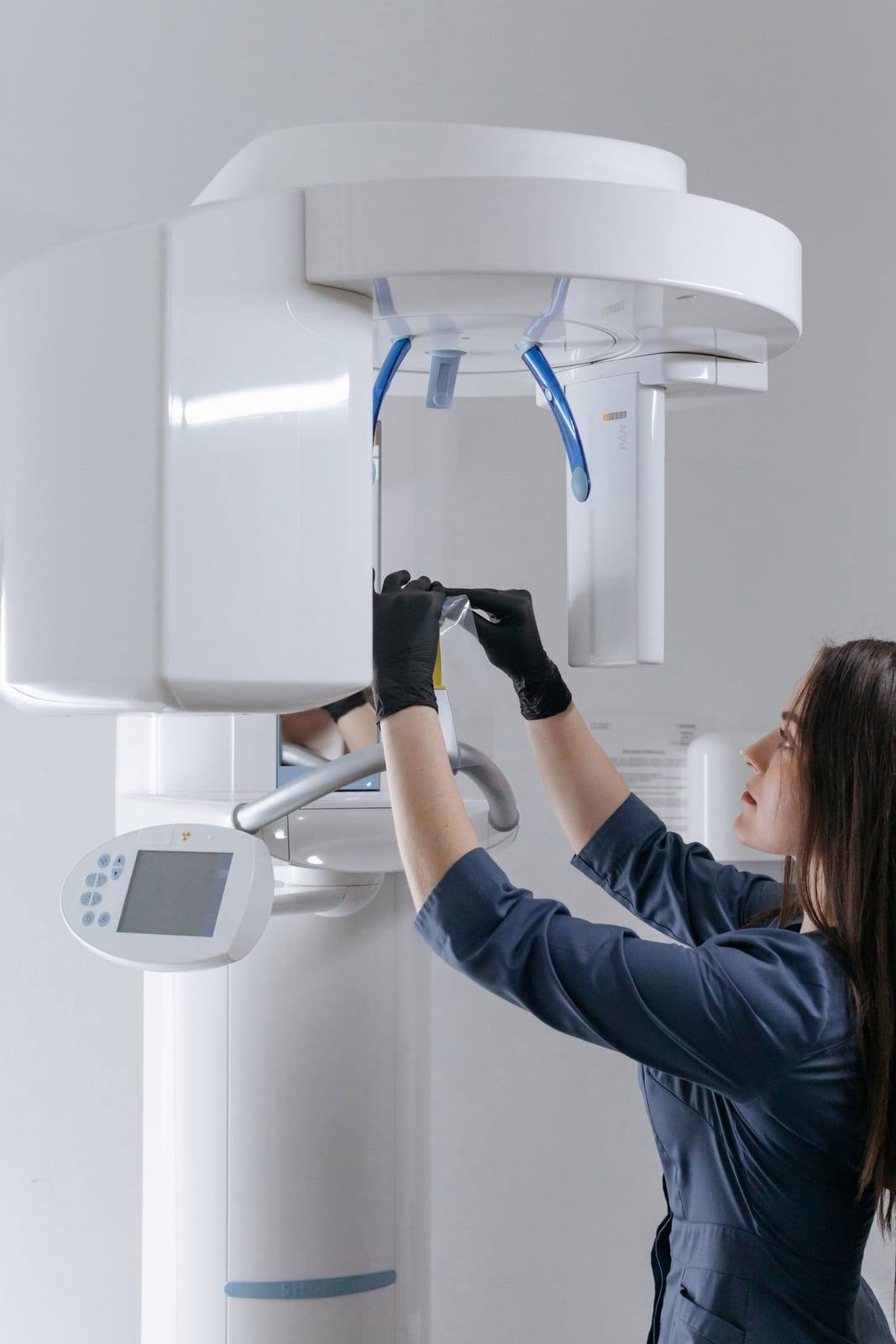
At a glance
Six things in every office
- 01
3D CBCT imaging
A cone-beam CT scan shows bone, roots, nerves and sinuses in three dimensions, in under a minute.
- 02
Guided implant surgery
Implants planned on your scan, then placed through a 3D-printed guide made for your mouth.
- 03
Intraoral scanning
A small wand records your teeth digitally, so most people never need a goopy impression.
- 04
Piezo surgery
Ultrasonic instruments that cut bone precisely while sparing soft tissue, for grafts and sinus lifts.
- 05
Platelet-rich fibrin
A healing concentrate made from a small sample of your own blood, placed in sockets and grafts.
- 06
Continuous monitoring
ECG, pulse oximetry, capnography and blood pressure for every sedation, at every office.
3D CBCT imaging
See it in 3D before surgery
A regular X-ray is flat. A cone-beam CT scan builds a three-dimensional picture of your jaw, so your surgeon can measure bone height and width, see exactly where a wisdom tooth root sits against the nerve, and check the sinus before an upper implant.
The scan takes under a minute while you stand still, and uses a fraction of the radiation of a medical CT. We review it with you on screen at your consultation, and share it with your referring dentist.
Guided implant surgery
A plan you can hold
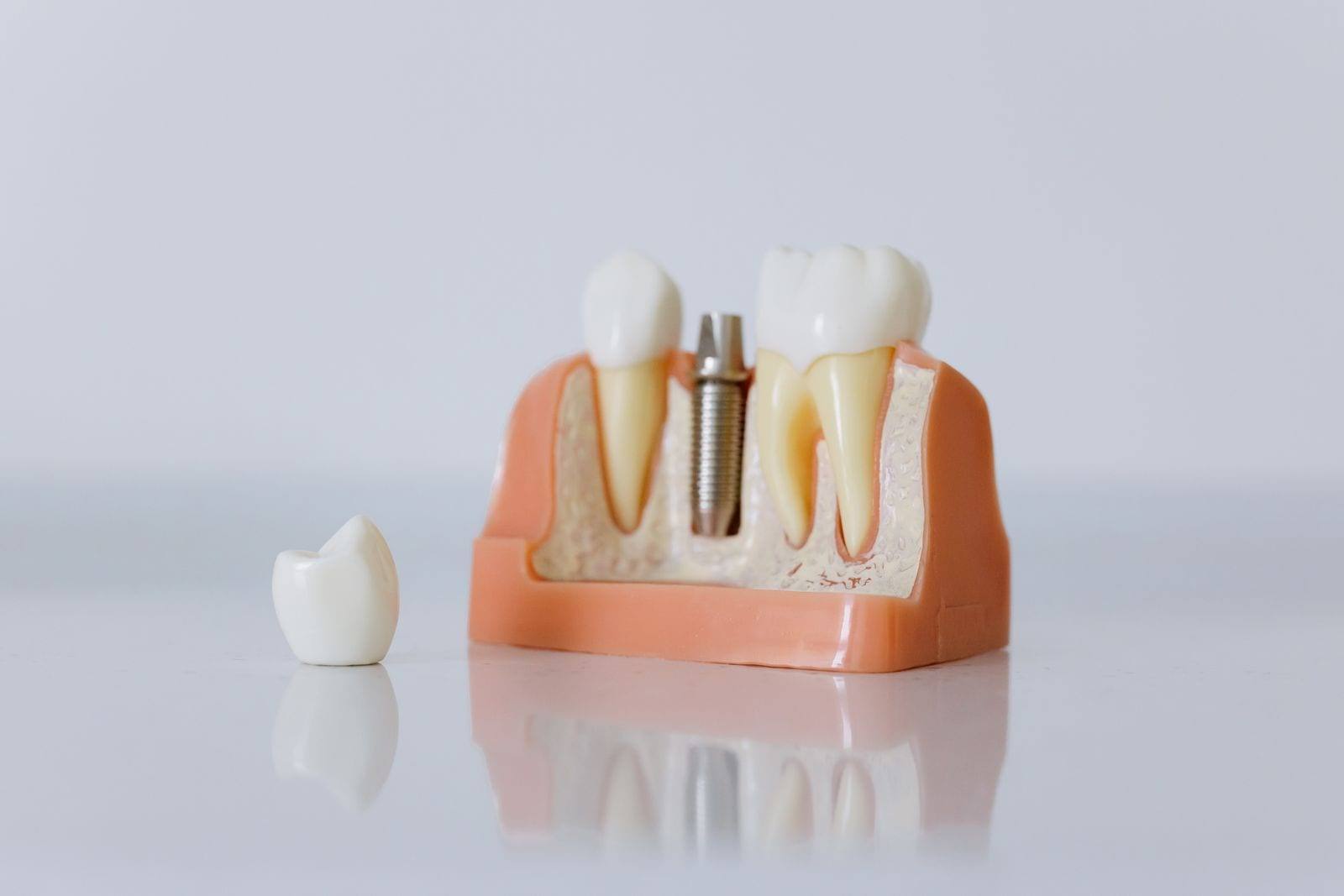
Your surgeon plans each implant on your CBCT scan: its position, angle and depth, with the final tooth in mind. For most cases, that plan becomes a 3D-printed surgical guide that fits over your teeth or gums and directs each implant to the planned position.
An intraoral scanner records your teeth digitally for the guide and for your new crown, without impression trays. For full-arch cases, our prosthodontists design the teeth first, then the implants are placed to support them.
Piezo surgery and PRF
Gentler on bone, kinder to healing
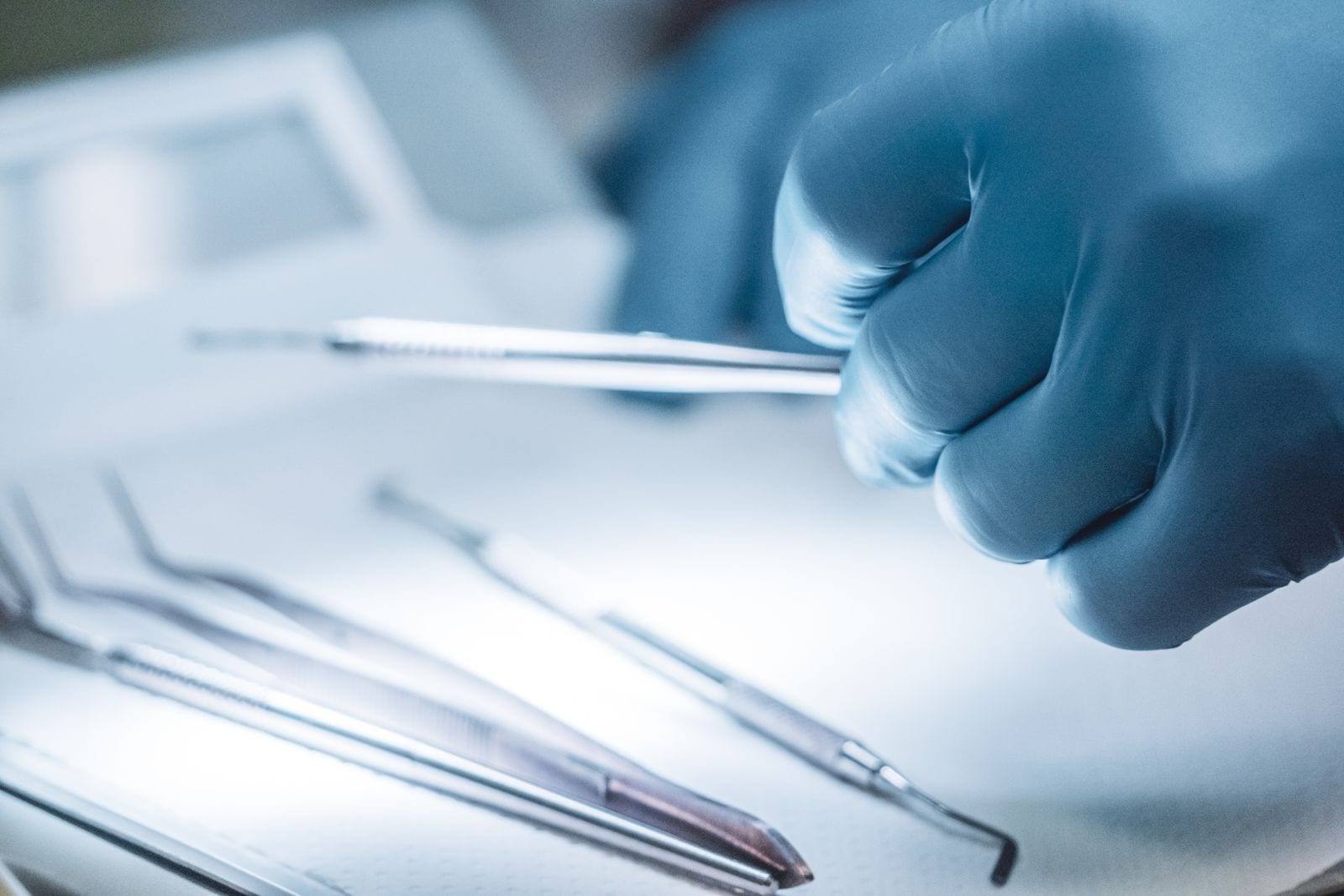
Piezo surgery uses ultrasonic vibrations to cut bone precisely while sparing soft tissue such as the sinus lining and nerves. We use it for sinus lifts, bone grafts and some difficult extractions.
Platelet-rich fibrin (PRF) is made in a few minutes from a small sample of your own blood. Placed in a socket or graft, it concentrates your body’s own healing factors. Many surgeons find it helps soft tissue heal; your surgeon will tell you whether it suits your case.
Anesthesia monitoring
Watched every second
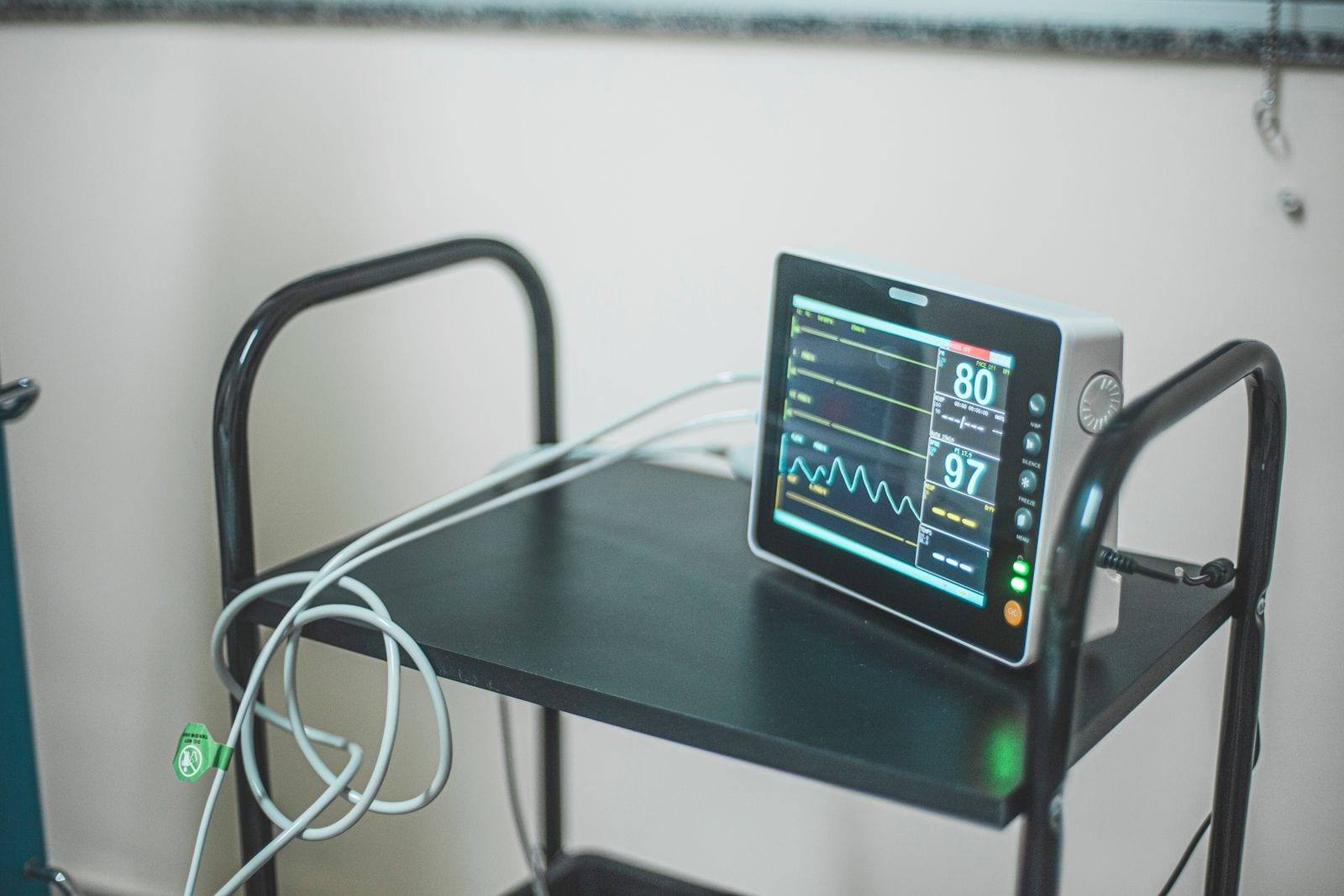
Every sedation at Molly is monitored with continuous ECG, pulse oximetry and capnography, which measures the carbon dioxide you breathe out and is the earliest sign of a change in breathing. Blood pressure is checked automatically every few minutes.
Every office is AAAHC-accredited, with emergency equipment and medications checked daily, and a dedicated anesthesia provider joins your surgeon for longer cases.
A calm first step.
See your own 3D scan at a consultation. Implant consultations and scans are complimentary, and you leave with one written quote.