General anesthesia provided by a dentist anesthesiologist or CRNA who focuses only on you while your surgeon operates. For longer, complex or more anxious cases.
General anesthesia is a controlled state of unconsciousness. Unlike IV sedation, where you are deeply relaxed but still breathing on your own and able to respond, under general anesthesia you are fully asleep, feel nothing and have no awareness of the procedure. Your breathing is supported as needed by your anesthesia provider.
When general anesthesia is the right choice
Most oral surgery is done comfortably with IV sedation. General anesthesia is recommended or offered for:
- Longer procedures, such as full-arch implants and zygomatic implants
- Complex surgery, including some impacted wisdom teeth, grafts and pathology cases
- Severe dental anxiety, where sedation alone wouldn't be enough
- Patients with special needs, or who find it hard to stay still or cooperate with treatment
- Some younger patients
Corrective jaw surgery, sleep apnea surgery, cleft surgery and major trauma repair are performed under general anesthesia in a hospital.
A dedicated anesthesia provider
At Molly, office-based general anesthesia is always provided by a dedicated anesthesia professional, either a dentist anesthesiologist or a certified registered nurse anesthetist (CRNA). Their only job during your procedure is your anesthesia and safety, while your surgeon focuses on the surgery. That is why general anesthesia is available at the offices where our anesthesia team practices, and why it is scheduled on particular days.
Before your procedure, your anesthesia provider reviews your medical history and may speak with you by phone. Tell them about heart or lung conditions, sleep apnea, diabetes, reflux, pregnancy, previous reactions to anesthesia and every medication or supplement you take. Some patients need clearance from their physician first.
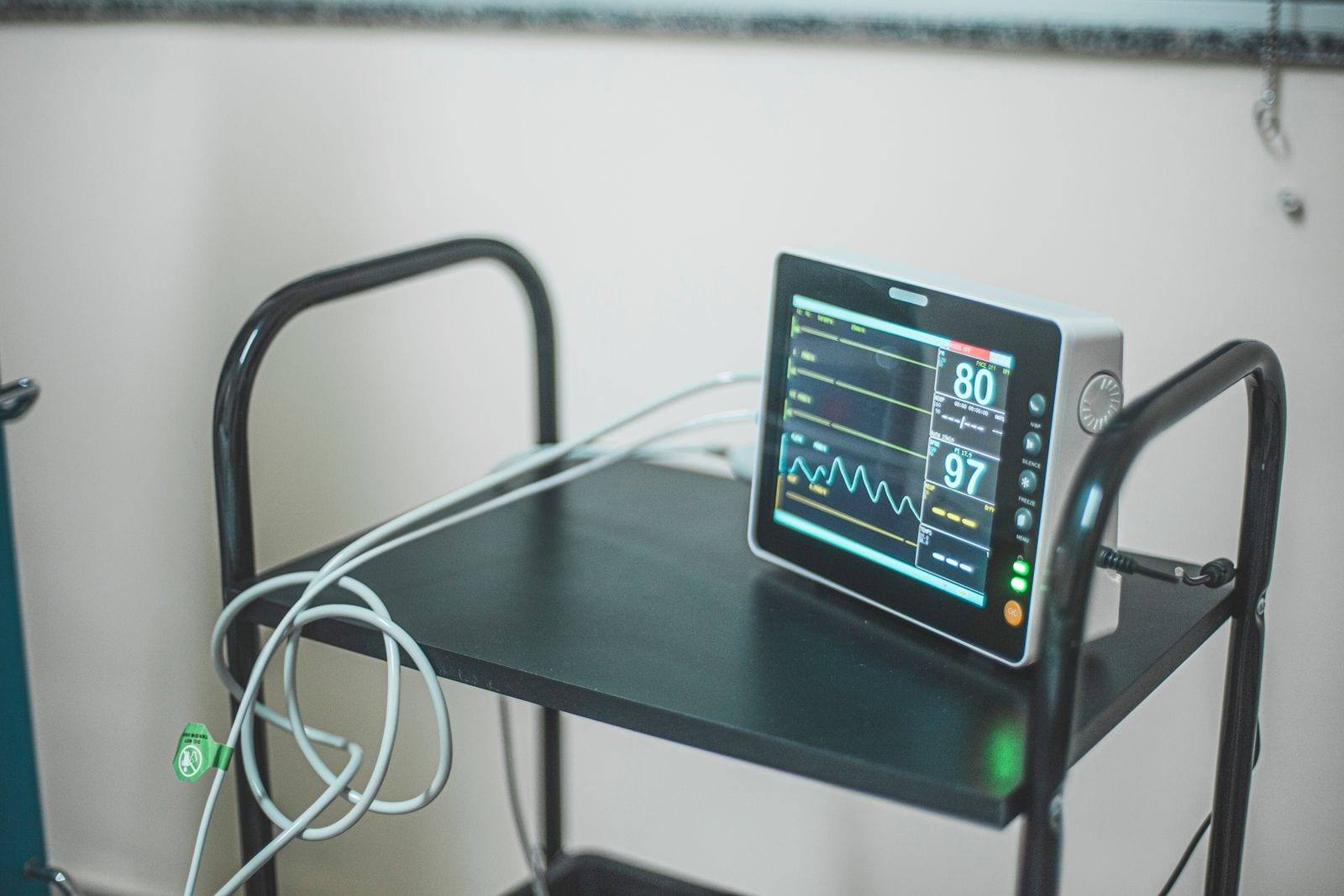
During anesthesia, monitoring includes continuous ECG, pulse oximetry, capnography, blood pressure and temperature. Your airway is supported with oxygen and, when needed, a breathing device. Every Molly office is AAAHC-accredited, with emergency equipment and medications in every operating room and regular team drills.
Preparing and recovering
You'll receive written instructions, typically no food or drink for 8 hours before, approved medications with a sip of water, and an adult escort who stays at the office, takes you home and stays with you. Afterward you wake up in a recovery area with a team member beside you. Most people are ready to leave within 30 to 60 minutes. Grogginess, a sore throat and mild nausea are possible and usually pass the same day.
For 24 hours, don't drive, drink alcohol or make important decisions. Your surgeon calls you the evening after surgery, and the 24/7 surgeon line answers any night. All anesthesia fees appear on your one written quote before anything is scheduled.