ConsultsMost consultations within 48 hours. No referral needed.Request one

Referring doctorsPatient formsPay my bill 24/7 surgeon line (949) 555-0100

Jaw & Facial Surgery

Corrective Jaw Surgery

Realigning the jaws for a bite that works, planned in 3D with your orthodontist.

Cost
Billed to medical insurance; we'll estimate your share.
Time
Typically two to five hours in surgery, with a one- or two-night hospital stay.
Insurance
Jaw surgery is billed to medical insurance, and many plans cover it when medical necessity is documented.
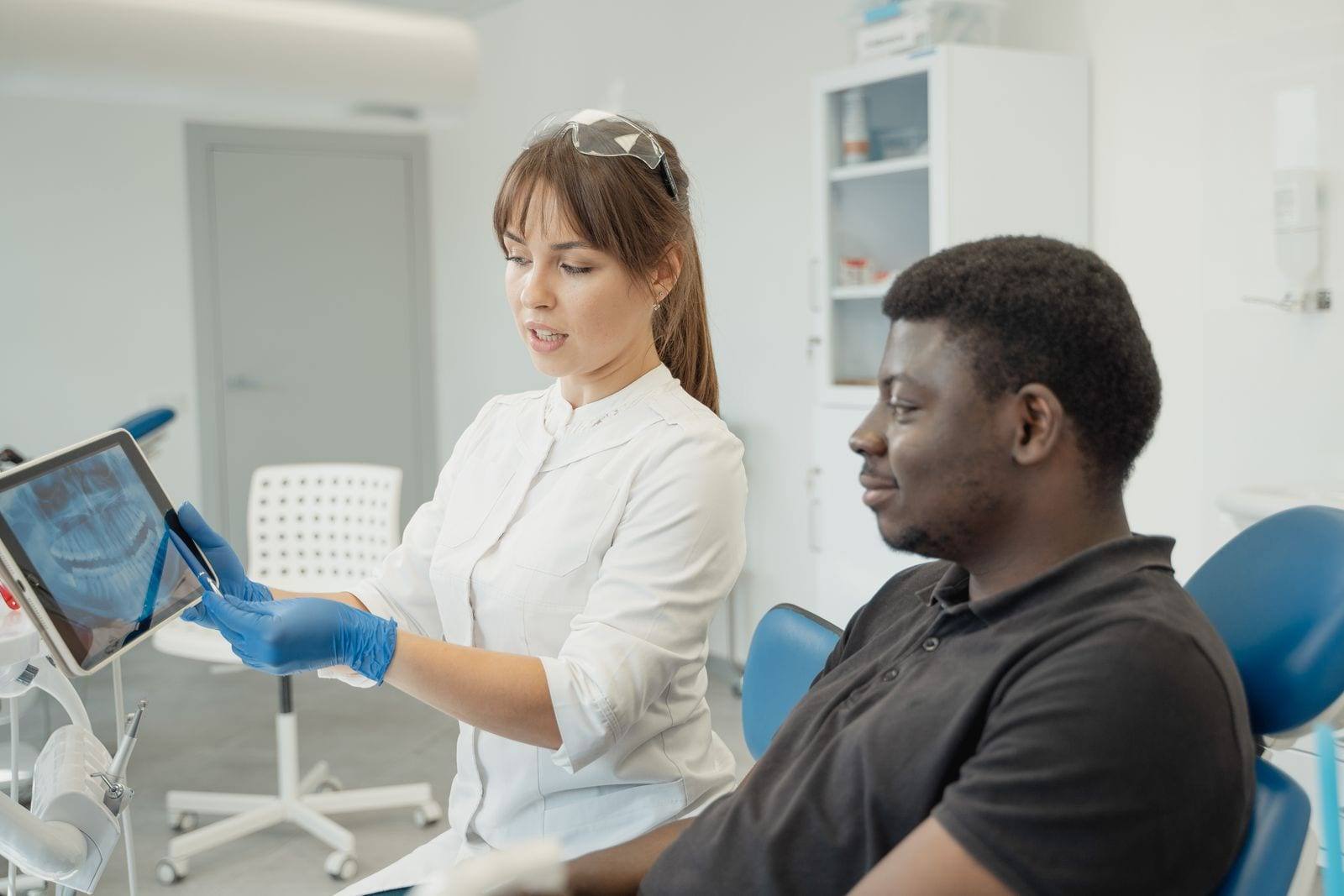
A surgeon showing a patient a 3D scan of the jaw on a tablet.

Orthognathic surgery repositions the upper jaw, lower jaw or chin to correct the bite, breathing or facial balance. Planned virtually with your orthodontist.

Corrective jaw surgery, or orthognathic surgery, moves the upper jaw, the lower jaw, or both, into a better position. It is recommended when the jaws themselves are out of alignment, which braces alone can't fully correct. The goals are a bite that works properly, healthier jaw joints and airway, and a face that looks balanced. For most patients, the change in how they eat, speak and breathe matters as much as the change in how they look.

Who it helps

Jaw surgery is considered for problems such as:

  • An underbite, a severe overbite, or an open bite where the front teeth don't meet
  • Difficulty chewing, biting or swallowing
  • A jaw that is visibly asymmetric or a chin that is far forward or back
  • Obstructive sleep apnea linked to jaw position (see sleep apnea surgery)
  • Excessive wear of the teeth, or jaw strain related to the bite

Surgery is usually done once growth is complete, typically around 14 to 16 for young women and 17 to 21 for young men, and it is common well into adulthood.

A team plan, mapped in 3D

Jaw surgery is a partnership between your oral and maxillofacial surgeon and your orthodontist. Most patients wear braces or aligners for about 12 to 18 months before surgery, so the teeth are positioned to fit the jaws' new places, and for roughly 6 to 12 months afterward to finish the bite.

At Molly, your surgeon plans the movements using virtual surgical planning: a 3D cone-beam CT (CBCT) scan, digital scans of your teeth and photographs are combined in software, and each jaw movement is simulated to the millimeter. The plan is shared with your orthodontist, and custom surgical splints are made to transfer it accurately to the operating room. You'll see a simulation of the expected result at your planning visit.

Surgery and recovery

Jaw surgery is performed in a hospital under general anesthesia. The bones are reshaped and repositioned through incisions inside the mouth, so there are usually no visible scars, and are held in place with small titanium plates and screws. Most patients stay one or two nights in the hospital.

Recovery takes time. Swelling peaks over the first few days and largely settles over two to three weeks, with subtle swelling fading over several months. You follow a liquid, then soft diet for about six weeks while the bone heals. Most people return to school or desk work in two to four weeks. Numbness of the lips or chin is common at first and usually improves over weeks to months, though some patients notice lasting changes in sensation, and your surgeon will discuss this with you.

Your surgeon calls you after discharge, sees you regularly through healing, and the 24/7 surgeon line is there any night. Because jaw surgery is often medically necessary, it is billed to medical insurance, and we handle the pre-authorization with you.

Why it helps

Why patients choose Jaw Surgery

  • A bite that works

    Aligning the jaws allows the teeth to meet properly for chewing, biting and speaking.

  • Planned to the millimeter

    Virtual surgical planning simulates every movement on your 3D scans before surgery.

  • One team with your orthodontist

    Your surgeon and orthodontist share the plan and timing from the start.

  • Often improves breathing and balance

    Moving the jaws can open the airway and bring the face into better proportion.

The process

What to expect, step by step

Typical timeline: Typically two to five hours in surgery, with a one- or two-night hospital stay.

  1. 01

    Consultation and records

    Your surgeon examines your bite and face and takes a CBCT scan, photos and digital models.

  2. 02

    Pre-surgical orthodontics

    Usually 12 to 18 months of braces or aligners to position the teeth for the new jaw positions.

  3. 03

    Virtual surgical planning

    Each movement is simulated in 3D, shared with your orthodontist, and surgical splints are made.

  4. 04

    Hospital surgery

    Under general anesthesia, typically with a one- or two-night hospital stay.

  5. 05

    Healing and finishing

    About six weeks of a modified diet, then 6 to 12 months of orthodontics to refine the bite.

Is it right for you?

You may be a good candidate if…

  • Teens who have finished growing, and adults, with a significant jaw misalignment
  • Patients with an underbite, severe overbite or open bite
  • People who have difficulty chewing, biting or speaking because of jaw position
  • Patients with a visibly asymmetric jaw
  • Some adults with obstructive sleep apnea related to jaw position

Recovery tips

  • Use cold compresses for the first two to three days, and sleep with your head raised.
  • Follow the liquid and soft diet plan exactly. Your team will give you meal ideas and calorie goals.
  • Keep your mouth clean with the prescribed rinse and a small soft brush.
  • Walk a little every day, but avoid strenuous exercise and contact sports until your surgeon clears you.
  • Take medications on schedule and call the 24/7 surgeon line with any concern.
  • Keep every follow-up appointment with your surgeon and orthodontist.

Who you’ll see

Surgeons who focus on jaw surgery

Patient stories

What jaw surgery patients say

Google

My orthodontist sent me to Dr. Haddad for an underbite. He showed me the virtual plan of my jaw before and after, which made it real. Recovery was hard for two weeks, as he said it would be. I like my profile now.

Grace Y.Anaheim Hills ·
Google

Dr. Osei corrected my bite after years of jaw pain and orthodontics. The virtual plan and honest recovery timeline made it less scary. Molly handled my medical insurance and the estimate was close to the final amount.

Richard E.Rancho Cucamonga ·
Google

Dr. Bell did my upper and lower jaw surgery after two years in braces. He went over the 3D plan with me twice and was realistic about the first two weeks, which were hard but exactly as he described. My bite and my sleep are both better.

Arman G.Pasadena ·

Paying for care

Ways to pay over time

  • 0% in-house plans

    Spread treatment over up to 12 months at 0% interest, with a modest deposit. No credit check.

  • CareCredit

    A healthcare credit card with 6–24 month promotional financing for qualified applicants.

  • Sunbit

    A quick, soft-pull application with a decision in about 30 seconds. Monthly plans from 3 to 72 months.

  • Proceed Finance

    Long-term financing designed for full-arch and larger implant treatment, with fixed monthly payments.

  • HSA & FSA

    Health savings and flexible spending cards work for eligible surgery, anesthesia and imaging.

FAQ

Jaw Surgery questions

Have a question we didn’t cover? Send us a note and a member of our clinical team will get back to you.

How long is recovery from jaw surgery?

Most people return to school or desk work in two to four weeks. Visible swelling largely settles over two to three weeks, and you follow a modified diet for about six weeks. Final healing and subtle swelling continue for several months.

Will my jaws be wired shut?

Rarely. Small titanium plates and screws hold the bones, so most patients can open their mouths during healing. Light elastics may be used to guide the bite.

Will I have scars?

In most cases no visible scars, because the surgery is done through incisions inside the mouth.

Is numbness after jaw surgery normal?

Yes. Numbness of the lips, chin or cheeks is common at first and usually improves over weeks to months. Some patients have lasting changes in sensation. Your surgeon will explain your own risk.

Does insurance cover jaw surgery?

Many medical plans cover it when the problem meets their criteria for medical necessity. We prepare the pre-authorization with you and give you a written estimate of your share.

Do I need braces?

Almost always. Orthodontic treatment before and after surgery positions the teeth to fit the new jaw positions. Your surgeon and orthodontist plan the timing together.

A calm first step.

Book a consultation online in about a minute. You’ll meet your surgeon, see your scan, and leave with one written quote before anything is scheduled.