When Should Teens Have Their Wisdom Teeth Evaluated?
Why the mid-teens are the best time for a wisdom teeth check, what the evaluation involves, and how to tell whether removal is needed now, later or at all.


Many of the families I see in Rancho Cucamonga and Riverside come in after their dentist or orthodontist says something like “It might be time to look at the wisdom teeth.” Parents want to know whether that means surgery, how soon, and whether it can wait until after the soccer season.
The short answer is that an evaluation is not the same as a removal. It is a planning visit. Here is when I recommend one, what happens during it, and how we decide what comes next.
The best time for a first look
For most teens, the ideal time for a wisdom teeth evaluation is between about 15 and 18. There is a good reason for that window.
Wisdom teeth, or third molars, start forming in the jaw around age 9 or 10. By the mid-teens the crowns are usually complete, but the roots are still short and developing. That stage tells us a lot. We can see whether there is room for the teeth to come in, which direction they are angled, and how close the roots are getting to the nerve in the lower jaw and the sinuses above the upper teeth.
If removal turns out to be the right call, this is also when it tends to be easiest. Shorter roots, more flexible bone and the healing capacity of a young patient usually mean a simpler procedure and a quicker recovery than the same surgery in your late twenties or thirties.
Some teens are ready earlier, particularly if an orthodontist is planning treatment and wants to know what is coming. Others are better evaluated a little later. Your dentist or orthodontist can help you decide on timing, and you do not need a referral to book with us.
What the evaluation involves
A wisdom teeth evaluation at Molly is a consultation with the surgeon, not with a coordinator. It usually takes 30 to 45 minutes and includes:
- A health history, including medications, allergies and any past experience with anesthesia.
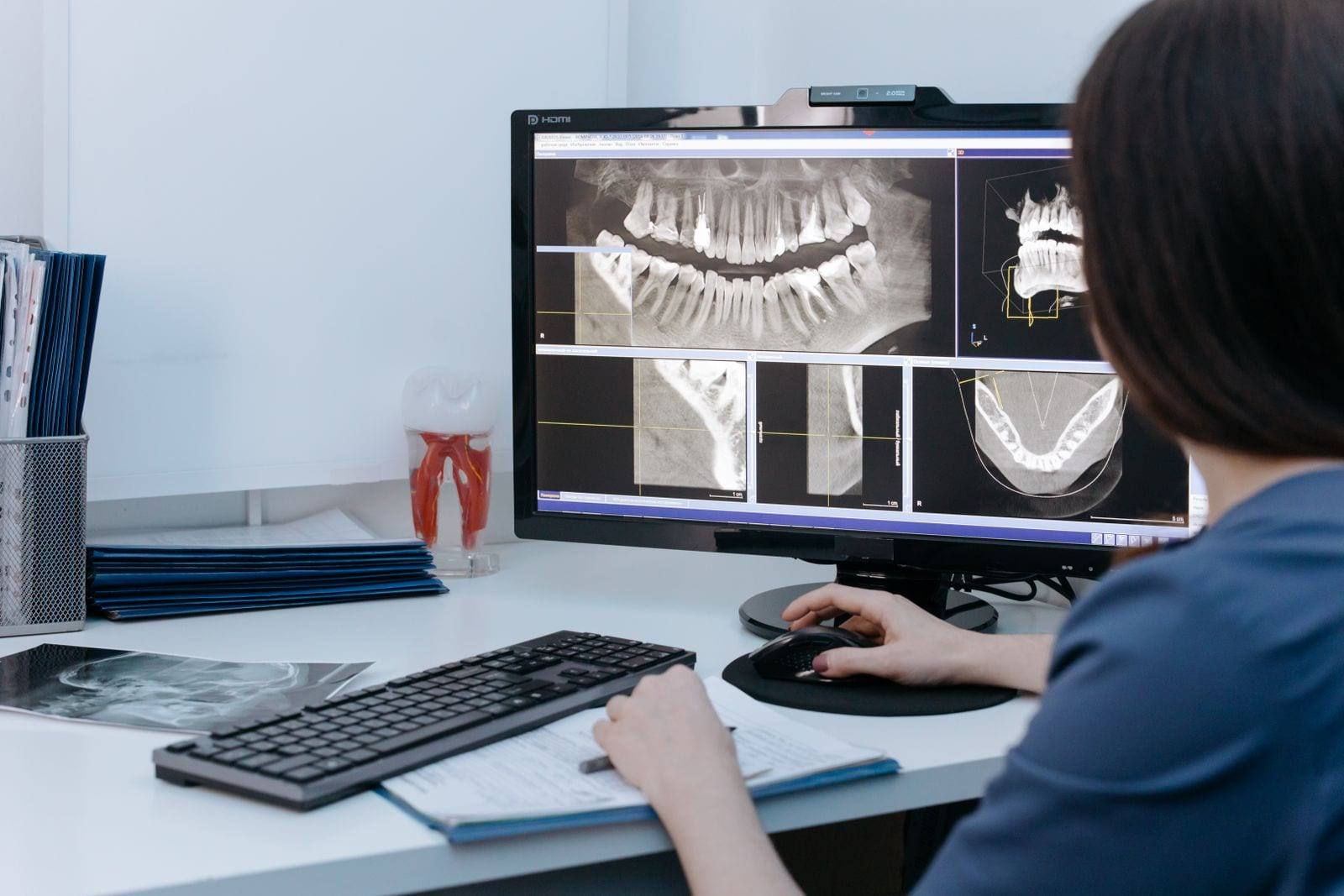
- Imaging. A panoramic X-ray shows all four wisdom teeth and the surrounding bone in one image. If a lower tooth looks close to the nerve, we may recommend a 3D CBCT scan, which shows the relationship in three dimensions and helps us plan more precisely.
- An exam of the gums, the bite and any area that has been sore or swollen.
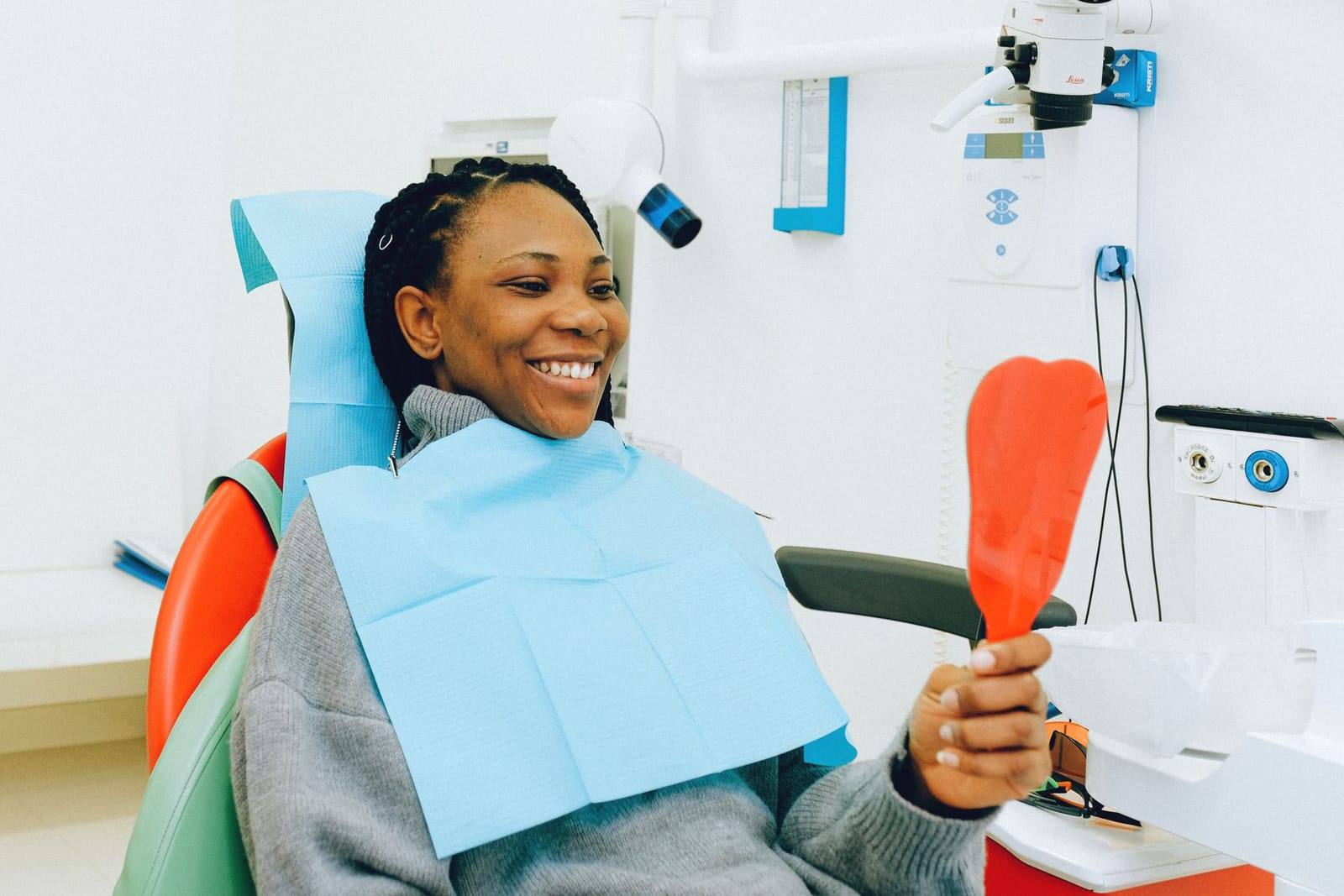
- A conversation with you and your teen about what we see, what the options are and what we recommend.
I always speak directly to the teen as well as the parent. They are the one having the surgery, and they deserve to understand it.
Not every wisdom tooth needs to come out
This surprises some families. If a wisdom tooth is fully erupted, upright, healthy, easy to clean and has an opposing tooth to bite against, it may be perfectly fine to keep. In that case we will usually suggest monitoring it with periodic X-rays.
Removal is more often recommended when a tooth:
- Is impacted, meaning it is blocked by bone, gum or another tooth and cannot come in fully.
- Is partially erupted, leaving a flap of gum where food and bacteria collect. That can lead to repeated infections called pericoronitis.
- Is angled into the second molar, risking decay or bone loss on the tooth in front.
- Shows signs of a cyst or other changes around the crown on the X-ray.
- Cannot be kept clean, leading to decay or gum disease in the back of the mouth.
Sometimes the answer is a mix. Two teeth may need to come out while two can be watched. We will explain the reasoning for each tooth so you can make a clear decision.
Why waiting for symptoms is not always the best plan
Many problem wisdom teeth cause no pain at all, at least at first. Decay on the back of a second molar, early bone loss or a small cyst can develop quietly. By the time there is pain or swelling, the treatment may be more involved and the timing less convenient, perhaps during finals week or a family trip.
That is not a reason to remove teeth that are healthy. It is a reason to have a clear baseline and a plan, so decisions are made calmly rather than in a hurry.
Planning around school and sports
If removal is recommended, timing is usually flexible. Most families choose a school break.
- Summer is the most popular time. Book a few weeks ahead, because June fills quickly.
- Winter break and spring break work well too. Most teens are back to school within two to four days and back to most normal activity within about a week.
- Athletes should plan on avoiding strenuous training and contact sports for roughly five to seven days, longer if your surgeon advises it.
Most teens choose IV sedation for wisdom teeth removal. They are comfortable and drowsy, breathing on their own, with continuous monitoring throughout. Your surgeon will talk through the options, including local anesthesia with nitrous oxide for simpler cases, and confirm what is appropriate for your teen’s health and the complexity of the surgery.
Insurance and cost
Evaluations and wisdom teeth removal are usually covered in part by dental insurance, and sometimes by medical insurance for impacted teeth. We check both before anything is scheduled and give you one written estimate that includes imaging, anesthesia, surgery and follow-up visits. As a typical guide, removal starts from $395 per tooth, with IV sedation from $495, before insurance. Denti-Cal is accepted at select offices for patients under 21.
Booking an evaluation
If your teen is between 15 and 18 and has not had their wisdom teeth checked, an evaluation is a reasonable next step, especially if they are finishing orthodontic treatment, have had soreness in the back of the mouth, or their dentist has mentioned it. Most consultations can be booked within 48 hours.
Bring any recent X-rays from your dentist if you have them. Come with questions. The goal of the visit is simple: you leave knowing what is happening with those four teeth and what, if anything, needs to be done about them.
About the author
Dr. Jessica Alvarez, DDS
Dr. Alvarez evaluates teens’ wisdom teeth, removes wisdom teeth under IV sedation and places implants in Rancho Cucamonga and Riverside.
This article is for general education and isn’t a substitute for an examination. If you have symptoms, see your dentist or book a consultation with an oral surgeon.