TMJ Pain: When Self-Care Is Enough and When to See a Specialist
Most jaw pain improves with simple, conservative care. Here is what helps, which symptoms mean it is time for an evaluation, and what treatment involves.

As an orofacial pain specialist, I spend my days with people whose jaw, face or head has been hurting for weeks, months or sometimes years. Many arrive worried that they will need surgery. Most do not.
Temporomandibular disorders, often shortened to TMD or simply “TMJ,” are common, and the majority improve with simple, conservative care. Here is what tends to help, how to tell when it is time to be seen, and what a specialist evaluation actually involves.
What TMJ pain is
The temporomandibular joints sit just in front of your ears, where the lower jaw meets the skull. Each joint has a small disc that cushions movement, and it is surrounded by the large muscles you use to chew, speak and yawn.
TMD is an umbrella term for problems in this system. Broadly, they fall into three groups, and many people have more than one:
- Muscle pain, the most common type. The chewing muscles become sore and tight, often from clenching or grinding.
- Disc problems, where the disc shifts out of its usual position. This often causes clicking, and sometimes the jaw catches or locks.
- Joint inflammation or arthritis, which can cause aching in the joint itself and a grating sound when you move.
Typical symptoms include aching in the jaw, temples or around the ear, pain when chewing, morning soreness, headaches, clicking or popping, and a jaw that feels tired or tight.
Why conservative care comes first
Research and clinical experience point the same way: most TMD symptoms improve over time, and reversible treatments help the majority of patients. Many people notice meaningful improvement within a few weeks to a few months of consistent self-care.
That is why I start with reversible treatments that leave your bite and your joint as they are. Irreversible steps, such as grinding down teeth to adjust the bite or surgery, are reserved for specific situations where they are clearly needed.
Self-care that often helps
If your jaw has been sore for a short time and you have none of the warning signs below, these steps are a sensible place to start:
- Rest the jaw. Choose softer foods for a week or two. Cut food into small pieces. Avoid gum, tough bread, jerky and chewy candy.
- Notice your resting position. At rest, your lips can touch, but your teeth should be slightly apart with your tongue resting gently on the roof of your mouth. Many people clench during the day without realizing it.
- Apply heat or cold. Moist heat for 10 to 15 minutes relaxes tight muscles. Cold can help if the joint feels swollen or after a flare.
- Use over-the-counter anti-inflammatories for a short period if they are safe for you. Your physician or pharmacist can advise.
- Limit wide opening. Support your chin when you yawn, and take breaks during long dental visits.
- Look at sleep and stress. Poor sleep and stress both make jaw muscles more sensitive. Gentle exercise, breathing practice and a consistent sleep routine genuinely help.
- Check your posture, especially at a desk or looking down at a phone, which can load the neck and jaw muscles.
When to see a specialist
Self-care is a good first step, not a requirement to suffer through. I recommend an evaluation if:
- Pain has lasted more than two to three weeks despite self-care, or keeps coming back.
- Your jaw locks open or closed, or you cannot open as wide as you used to.
- Clicking has become painful, or your bite suddenly feels different.
- Pain wakes you at night or affects eating, work or sleep.
- You have frequent headaches or ear pain and your physician has ruled out other causes.
- You grind your teeth heavily, or your dentist has noticed wear.
Red flags that need prompt attention
Some symptoms can look like TMD but have other causes. Please call promptly, or see your physician, if you notice:
- Swelling of the face or jaw, especially with fever.
- Numbness or tingling in the face, lip or tongue.
- A jaw that will not close, or a bite that changed after an injury.
- Jaw pain with chest pain, shortness of breath or sweating. This can be a sign of a heart problem and needs emergency care: call 911.
- Pain in the temple with scalp tenderness or vision changes, particularly if you are over 50.
- Unexplained weight loss, or a lump in the jaw or neck.
What a specialist evaluation involves
A first visit typically takes about an hour. We talk through your history in detail: when the pain started, what makes it better or worse, sleep, stress, headaches and past treatment. Then I examine the jaw muscles, joints, neck and range of motion, and listen to the joints as you open and close.
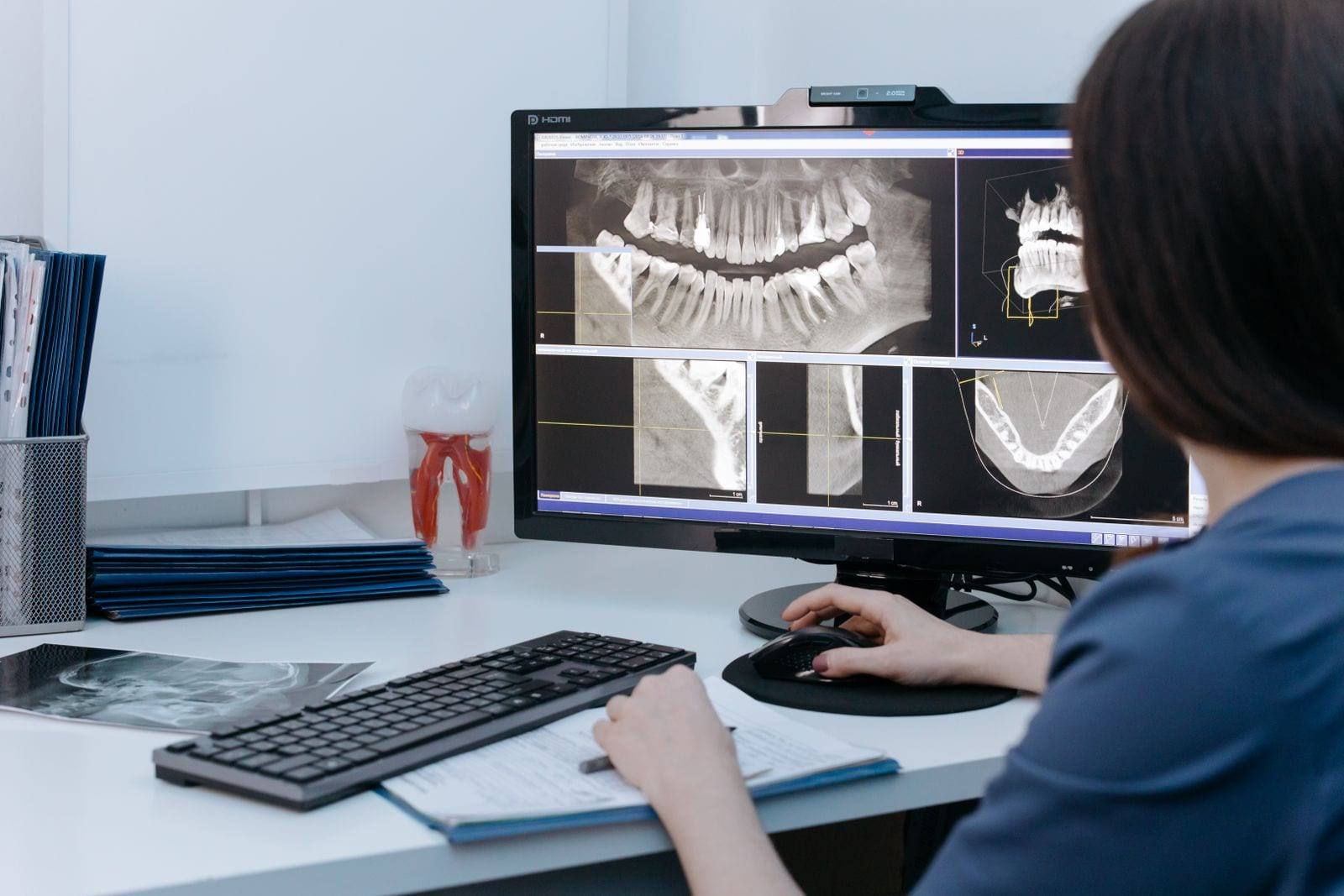
Imaging is not always needed. When it is, a panoramic X-ray or 3D CBCT scan shows the bony parts of the joint, and an MRI may be recommended to look at the disc.
From there, a treatment plan is usually built from a few reversible options:
- A custom oral appliance, often worn at night, to reduce clenching forces and protect the teeth. This is different from a thin store-bought guard.
- Physical therapy with a therapist who treats jaw and neck conditions, plus home exercises.
- Medication for a limited period, such as anti-inflammatories or muscle relaxants, when appropriate.
- Trigger point injections or Botox for selected patients with persistent muscle pain. Botox is used off-label for TMD, and we discuss the evidence, benefits and limitations before considering it.
- Help with sleep and habits, including screening for sleep apnea, which can be linked to clenching.
When surgery is considered
Surgery is rarely needed for TMD. It may be appropriate for a small group of patients with a clear structural joint problem, such as a locked jaw that has not responded to conservative care. Even then, the first step is usually a minimally invasive procedure such as arthrocentesis, which rinses the joint through small needles. More involved joint surgery is uncommon.
If that is a possibility for you, I work alongside our oral and maxillofacial surgeons so you have both perspectives before deciding anything.
Jaw pain is common, it is real, and in most cases it gets better. If it has been bothering you for more than a few weeks, an evaluation can give you a clear explanation and a plan, and your specialist will confirm which steps fit your situation.
About the author
Dr. Steven Novak, DDS, MS
Dr. Novak, an orofacial pain specialist, treats TMJ disorders, jaw and facial pain and sleep-related jaw problems in Newport Beach, Beverly Hills and La Jolla.
This article is for general education and isn’t a substitute for an examination. If you have symptoms, see your dentist or book a consultation with an oral surgeon.