What to Eat After Oral Surgery
Soft foods for each stage of recovery after wisdom teeth, extractions or implants, what to avoid for a week or two, and how to get enough protein.

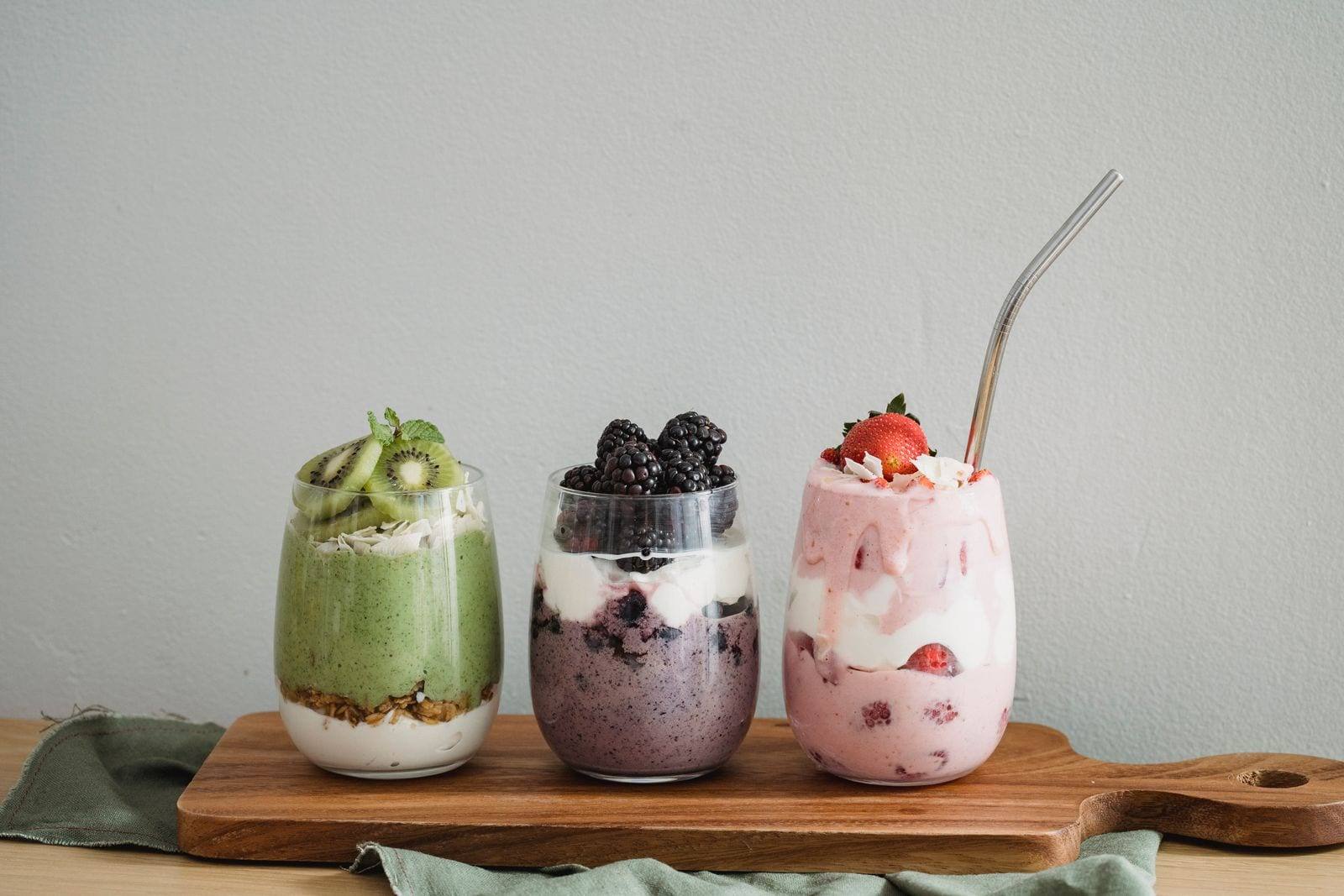
After oral surgery, food becomes surprisingly important. You need enough calories and protein to heal, but your mouth is sore, your jaw may be stiff and the surgical sites need protecting. The good news is that eating well for a week or two is not hard with a little planning.
This guide applies to most wisdom teeth removals, extractions and implant surgeries. Your surgeon may give you specific instructions for your procedure, especially after grafting, full-arch implants or jaw surgery. Follow those first.
The first 24 hours: cool and smooth
Wait until the numbness wears off before you eat. It is easy to bite your cheek, lip or tongue without realizing it. Once the feeling returns, start with cool, smooth foods that need no chewing:
- Yogurt or Greek yogurt
- Applesauce
- Pudding or custard
- Smoothies and protein shakes, eaten with a spoon
- Cottage cheese
- Lukewarm or cool blended soup
- Ice cream or frozen yogurt without nuts, cones or chunks
Cool foods feel soothing and help limit swelling. Avoid very hot food and drinks on the first day, because heat can increase bleeding.
One rule matters more than any food choice: no straws for at least the first week. The suction can dislodge the blood clot that protects the socket, which can lead to a painful dry socket. The same goes for smoking or vaping.
Days 2 to 4: soft and filling
As the bleeding settles, you can move on to warm (not hot) soft foods. These are easy to manage and keep you feeling full:
- Scrambled eggs
- Mashed potatoes or mashed sweet potatoes
- Oatmeal, cream of wheat or congee
- Refried beans
- Hummus
- Well-cooked pasta, such as macaroni and cheese
- Avocado, mashed or sliced thin
- Soft tofu
- Bananas
Chew with your front teeth or on the side away from the surgery when possible. Take small bites, and do not rush meals.
Days 5 to 7 and beyond: back toward normal
Most patients can add foods that need gentle chewing around day 5, as long as it feels comfortable. Good choices include soft fish such as salmon, meatloaf, well-cooked rice, soft tortillas, pancakes and steamed vegetables cooked until tender.
Many people are eating close to normally by the end of the second week after wisdom teeth or a simple extraction. Let comfort be your guide. If chewing something hurts, go back to softer foods for another day or two.
Foods to avoid for a while
Some foods are hard on healing sockets. Avoid these for about one to two weeks, or longer if your surgeon advises:
- Crunchy and sharp foods: chips, popcorn, nuts, crackers, crusty bread and granola. Small pieces can lodge in the socket.
- Seeds and small grains: sesame seeds, chia seeds, quinoa and berries with seeds can be hard to rinse out.
- Spicy and acidic foods: hot sauce, salsa and citrus can sting the surgical sites.
- Very chewy foods: steak, jerky, bagels and gummy candy strain a stiff jaw.
- Alcohol: it can interfere with healing and should never be mixed with prescription pain medication.
- Carbonated drinks: many patients find them uncomfortable at first. Sip slowly if you have them, and never through a straw.
After dental implants and grafting
Implant patients often need a soft diet for longer than wisdom teeth patients, because the implant needs time to integrate with the bone without heavy pressure. For a single implant, your surgeon may ask you to avoid chewing directly on that area for several weeks.
After full-arch surgery with same-day temporary teeth, most patients follow a soft diet for roughly two to three months, then move to firmer foods once the implants have healed. Your surgeon will give you a written plan.
After a bone graft or sinus lift, avoid chewing on the graft site, and follow any extra instructions carefully. If you had a sinus lift, avoid blowing your nose for a period your surgeon will specify.
Protein and hydration matter
Your body uses protein to repair tissue. Soft foods can be low in it, so look for easy sources: Greek yogurt, eggs, cottage cheese, protein shakes, soft beans and silken tofu. A spoonful of nut butter blended into a smoothie adds protein without crunch.
Drink plenty of water. Dehydration can make you feel worse and can add to nausea from medication. Small, frequent sips work best on the first day. Taking pain medication with a little food is often easier on the stomach as well.
If you have diabetes, plan your soft-food meals ahead so you can keep your blood sugar steady. Let us know before surgery if you need help planning.
A simple shopping list. Before your surgery, stock up so you do not need to go out afterward:
- Yogurt, cottage cheese and pudding cups
- Bananas, avocados and frozen fruit for smoothies
- Eggs, oatmeal and instant mashed potatoes
- Broth and a few soups you can blend
- Protein powder or ready-made shakes
- Pasta, refried beans and hummus
When to call us
Eating less than usual for a few days is normal. Call your Molly office if you cannot keep fluids down, if you are unable to eat because of pain that is getting worse after day 3, or if swallowing is difficult. Your surgeon will call you the evening after surgery, and our 24/7 surgeon line at (949) 555-0911 is there after hours if anything worries you.
About the author
Dr. Ryan Kowalski, DDS, MD
Dr. Kowalski removes wisdom teeth and other teeth, uses platelet-rich fibrin to support healing, and sees same-day emergencies in Huntington Beach and Newport.
This article is for general education and isn’t a substitute for an examination. If you have symptoms, see your dentist or book a consultation with an oral surgeon.