IV Sedation vs. General Anesthesia: What’s the Difference?
A dentist anesthesiologist explains the difference between IV sedation and general anesthesia for oral surgery, how we monitor you and how to prepare.

Before surgery, many patients ask whether they will be “put under.” The honest answer is that there is a range of options, from simple numbing to a full general anesthetic, and the right one depends on the procedure, your health and how you feel about the day.
I am a dentist anesthesiologist. My whole job is the anesthesia side of oral surgery, so the surgeon can focus on the surgery. Here is how IV sedation and general anesthesia differ, how we choose between them and what to expect on the day.
The options, from lightest to deepest
It helps to think of anesthesia as a spectrum rather than a switch.
- Local anesthesia. Numbing medication at the surgical site. You are fully awake, and you feel pressure but should not feel sharp pain. Good for single extractions and many single implants.
- Nitrous oxide. “Laughing gas,” breathed through a small nose mask alongside local anesthesia. It takes the edge off anxiety and wears off within minutes, so many adults can drive themselves home.
- IV sedation. Medication given through a small IV in the arm or hand. You breathe on your own and are deeply relaxed, and most patients remember little or nothing of the procedure. Local anesthesia is still used at the surgical site.
- General anesthesia. You are fully unconscious, and your breathing is supported by the anesthesia provider, usually with an airway device. It is used for longer, more complex surgery and for some patients with special medical or behavioral needs.
What IV sedation feels like
IV sedation is the most common choice for wisdom teeth removal and for many implant surgeries. After the IV is placed, which feels like a quick pinch, the medication takes effect within a minute or two. Most patients describe drifting off and waking up in the recovery area, with the surgery seemingly over in moments.
Because you keep breathing on your own and the medication is adjusted continuously, IV sedation tends to have a shorter recovery than general anesthesia. Most patients are ready to go home 30 to 60 minutes after the procedure ends, though they will feel drowsy for the rest of the day.
When general anesthesia makes more sense
General anesthesia is usually recommended when:
- The surgery is long or complex, such as full-arch implant surgery, corrective jaw surgery or extensive grafting
- A patient has significant medical conditions that are better managed with full airway control
- A patient has severe anxiety, a strong gag reflex or special needs that make sedation difficult
- The surgeon and anesthesia provider agree it is the safest way to do the procedure
At Molly, longer cases have a dedicated anesthesia provider in the room: a dentist anesthesiologist like me or a certified registered nurse anesthetist. That person does nothing during the surgery except look after your anesthesia, breathing and vital signs. For the longest procedures, such as corrective jaw surgery, the operation may be done in a hospital operating room. Your surgeon will explain where your procedure will take place.
How we keep you safe
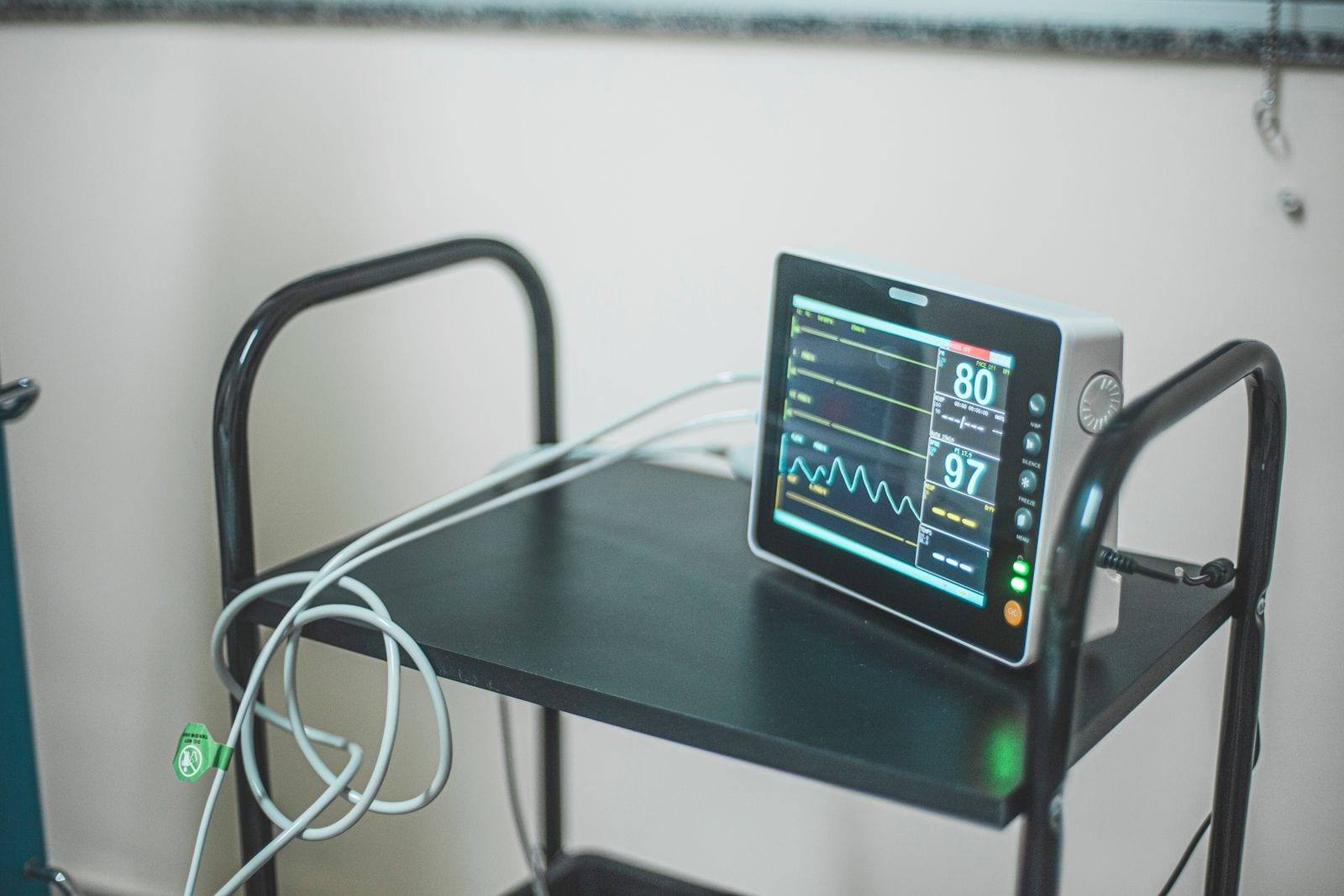
Whatever the level of anesthesia, the monitoring is the same careful set:
- ECG to watch your heart rhythm
- Pulse oximetry to measure the oxygen in your blood
- Capnography to measure the carbon dioxide you breathe out, which shows breath by breath that you are breathing well
- Blood pressure checked automatically at regular intervals
In California, the Dental Board requires a separate permit to provide sedation or general anesthesia, with specific training, equipment and emergency drills. Our surgeons and anesthesia providers hold the permits for the care they give, and every Molly office is accredited by AAAHC. Emergency medications and equipment are checked daily. California also has additional staffing rules for young children under deep sedation or general anesthesia, and we follow them.
Getting ready for your appointment
Your team will give you written instructions. Follow those, because they are specific to you. In general:
- Fasting. For IV sedation or general anesthesia, you will be told when to stop eating and drinking beforehand. This lowers the risk of stomach contents entering the lungs. Do not guess. Use the exact times your team gives you.
- Medications. Bring a full list, including supplements. Some medications are taken as normal with a sip of water. Others, such as certain diabetes or weight-loss medications and blood thinners, may need adjusting. Never stop a prescribed medication without checking with us and your physician.
- An escort. A responsible adult must bring you, stay nearby, drive you home and stay with you for the rest of the day. Rideshare alone is not enough.
- Comfortable clothes. Short sleeves or loose sleeves, no nail polish on at least one finger and no contact lenses.
- Tell us if you are unwell. A cold, cough or fever can affect your breathing under anesthesia. Call ahead so we can decide whether to go ahead or reschedule.
After you wake up
You will rest in recovery while we watch your vital signs. When you are awake enough, we review instructions with you and your escort together, because you may not remember the conversation later. For 24 hours afterward, do not drive, use machinery, sign anything important or drink alcohol.
Nausea is possible with either option, more often after general anesthesia. Tell us if you have had nausea after anesthesia before, and we can plan medication to help prevent it.
How to decide
You do not need to pick on your own. At your consultation, your surgeon reviews your medical history, the procedure and your preferences, and recommends an approach. If your health history is complex, we may also ask your physician for input. The cost of anesthesia is listed separately on your written estimate, so you can see the difference between options. IV sedation at Molly typically starts from $495.
If you have questions about anesthesia before your surgery, call your Molly office and ask to speak with the anesthesia team. We are happy to talk it through.
About the author
Dr. Leah Morrison, DMD
Dr. Morrison, a dentist anesthesiologist, provides IV sedation and general anesthesia in Newport Beach, Irvine, Huntington Beach and Mission Viejo.
This article is for general education and isn’t a substitute for an examination. If you have symptoms, see your dentist or book a consultation with an oral surgeon.