Do I Need a Bone Graft for a Dental Implant?
Why some implants need a bone graft, how a 3D CBCT scan shows it, the common types of graft, what recovery is like and how it affects cost.

“Will I need a bone graft?” is one of the most common questions at an implant consultation, and it often comes with some worry attached. Grafting sounds like a big operation. In most cases it is a modest, routine step, and many grafts are done at the same appointment as the extraction or the implant itself.
Whether you need one depends on how much bone you have where the implant will go. Here is how we decide, what the common types of graft are and what recovery is like.
Why bone matters for an implant
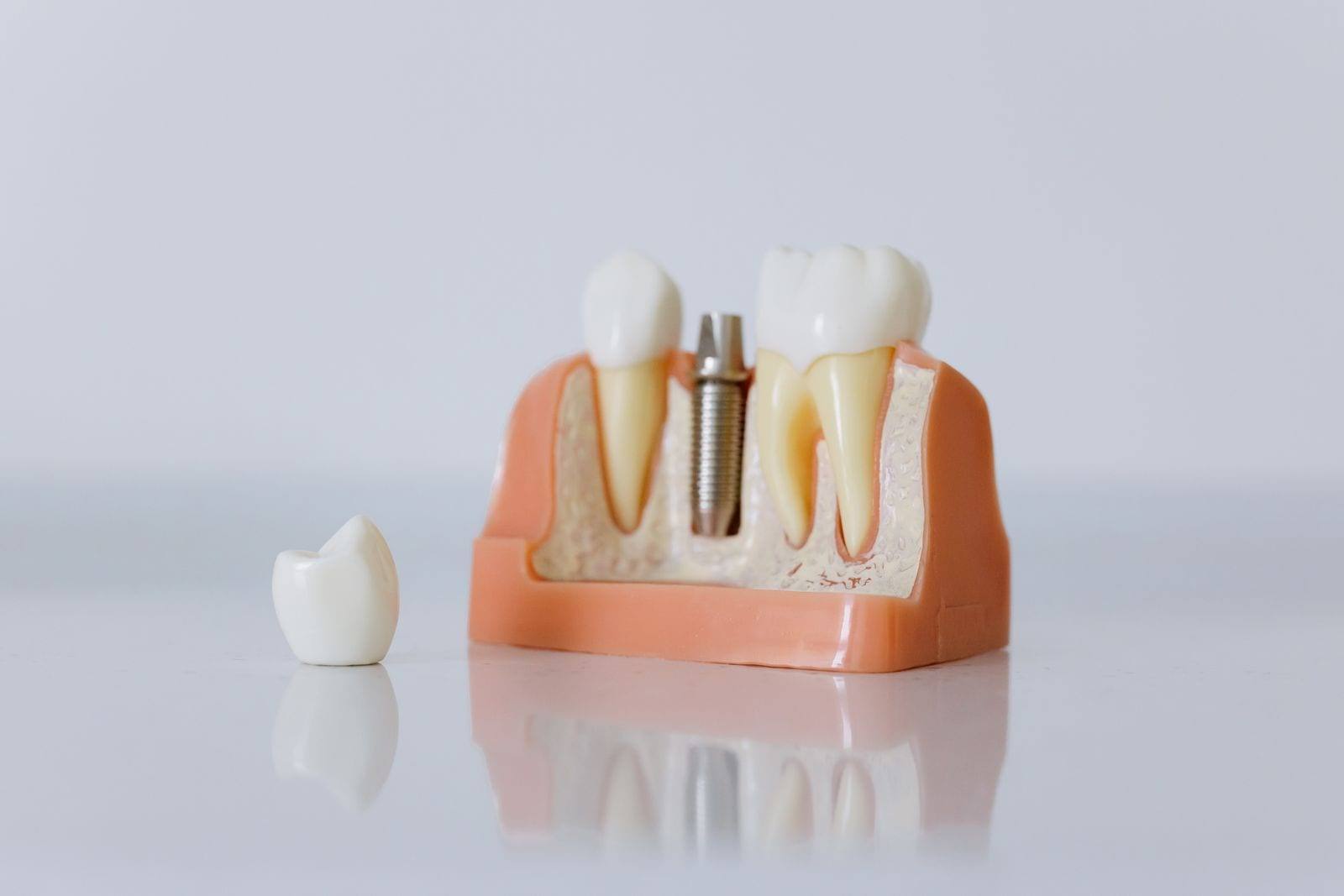
A dental implant is a small post that replaces the root of a tooth. To be stable for the long term, it needs to be surrounded by healthy bone on all sides, usually with at least a millimeter or two of bone around it. If the bone is too thin or too short, the implant may be exposed, sit in a poor position or fail to integrate.
Position matters as much as stability. An implant placed where the bone happens to be, rather than where the tooth should be, can leave you with a crown that looks wrong or is hard to clean. Grafting lets us place the implant where the final tooth needs it.
Why bone is lost
The bone that holds a tooth is there to support that tooth. After a tooth is removed, the body begins to reabsorb it. Studies show a large share of that change happens in the first several months after an extraction, and it continues more slowly after that. Other causes include:
- Gum disease, which destroys bone around teeth over time
- Infection at the root of a tooth
- Trauma, such as a fall or sports injury
- Years of wearing a removable denture
- The natural shape of the sinus in the upper back jaw
This is why the timing of an extraction matters. If you know a tooth will be replaced with an implant, it is worth planning the implant before the tooth comes out.
How we find out: the 3D scan
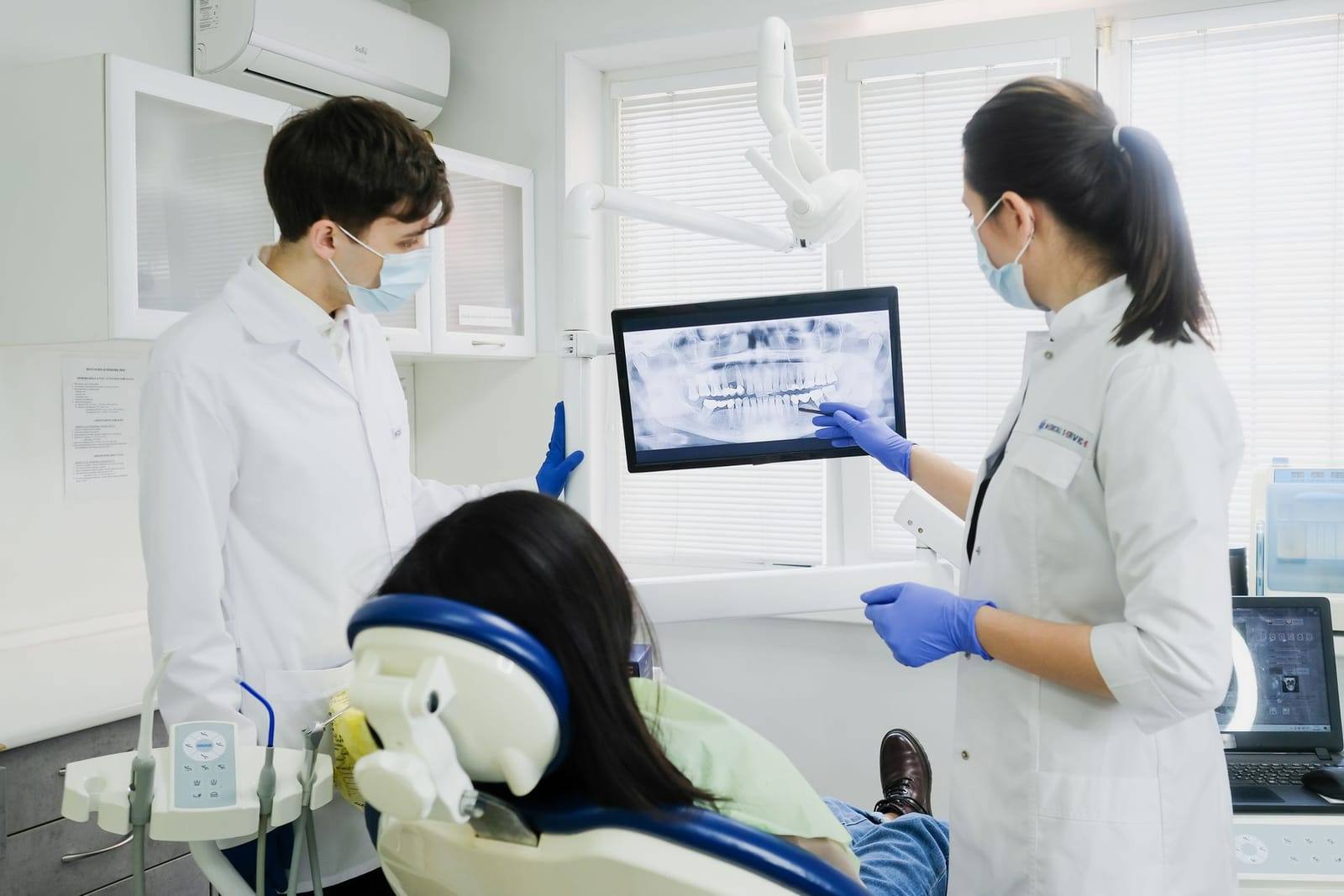
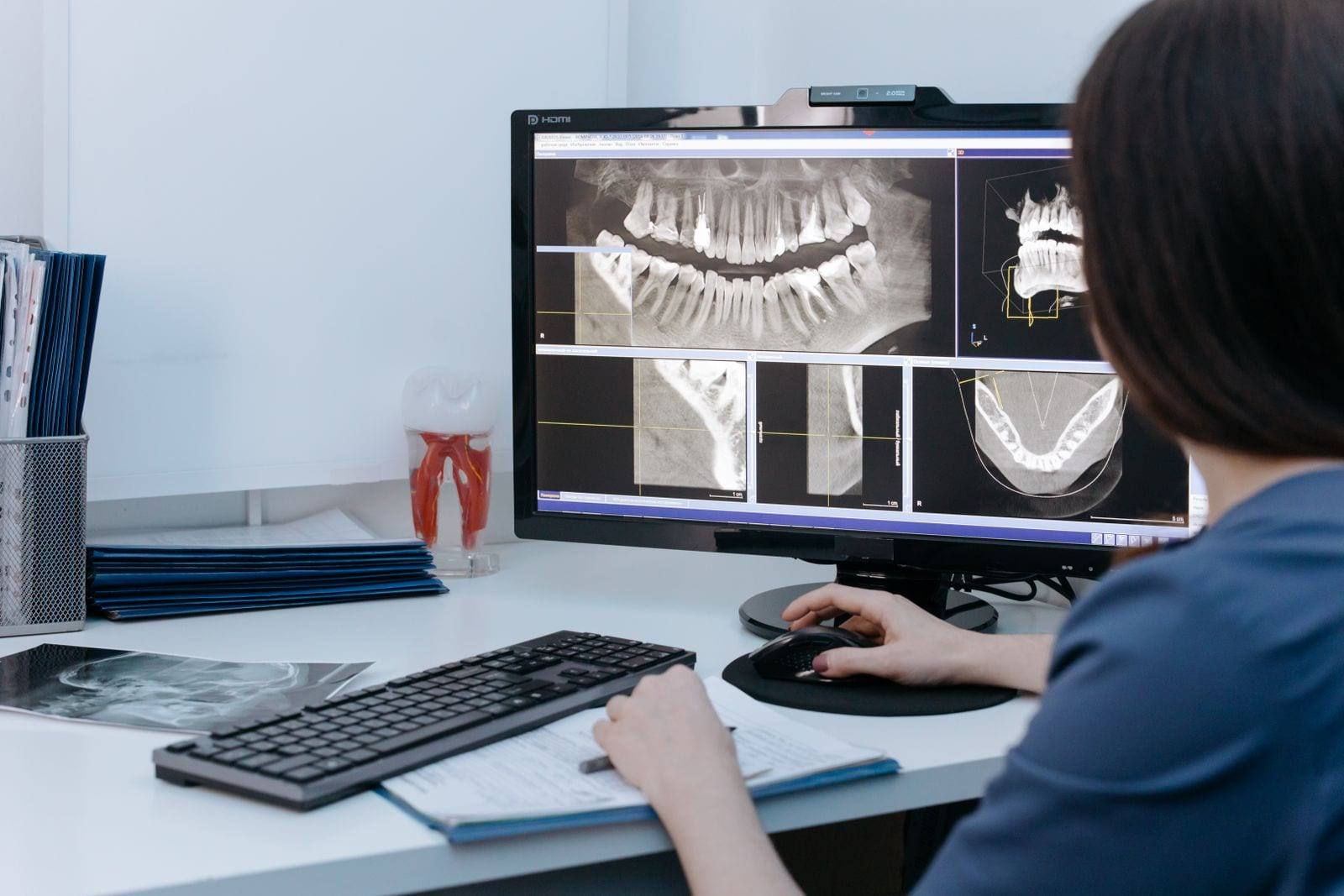
A regular dental X-ray shows height but not width. To see the full picture, we use a cone-beam CT (CBCT) scan. It shows the bone in three dimensions, along with the nerve in the lower jaw and the sinus above the upper teeth. At Molly, the implant consultation and 3D CBCT scan are complimentary.
I review the scan with you on screen. You can see for yourself whether the bone is wide enough, where it is thin and what we would need to add. Most patients find it much easier to make a decision once they have seen it.
The common types of graft
Bone grafts come in several forms, and the right one depends on where and how much bone is needed.
- Socket preservation. Graft material placed in the socket right after a tooth is removed, usually covered with a membrane. It helps limit the shrinkage that follows an extraction, so the site is ready for an implant a few months later.
- Graft at the time of the implant. When a small area of bone is thin, we can often place the implant and add graft material around it in the same surgery.
- Ridge augmentation. When the jaw ridge is too narrow or too short, a larger graft rebuilds it. The implant is usually placed after several months of healing.
- Sinus lift. In the upper back jaw, the sinus can sit close to the gum. A sinus lift gently raises the sinus membrane and adds bone beneath it. Sometimes this is done with the implant, and sometimes beforehand.
The graft material itself is most often processed donor bone or bovine bone, both carefully screened and sterilized, and sometimes synthetic material. In some cases we mix in your own bone collected from the surgical site. We may also use platelet-rich fibrin (PRF), made from a small sample of your own blood, to support healing of the soft tissue.
What recovery is like
For socket preservation or a small graft with an implant, recovery is usually similar to an extraction. Expect some swelling and soreness for two to four days, managed with ice, rest and the medication your surgeon recommends. Some patients notice small granules of graft material in their mouth for the first few days. A few are normal.
Larger grafts and sinus lifts take a little longer to settle, often a week or so. After a sinus lift, you will be asked to avoid blowing your nose and to sneeze with your mouth open for a period of time.
The graft then needs to mature. Depending on its size, that usually takes three to six months, sometimes longer for larger reconstructions. Your surgeon will check healing with an exam and, when needed, another scan before placing the implant.
Does grafting add much to the cost?
Grafting does add to the total. At Molly, bone grafts start from $450 for a socket graft, and larger grafts and sinus lifts cost more. Your written estimate lists the graft separately, so you know exactly what is included before anything is scheduled. Dental insurance often covers part of grafting, and we check your benefits for you. Financing, including 0% in-house plans for up to 12 months, CareCredit and Sunbit, can spread the cost.
Do you need one?
Many people do not. If a tooth was removed recently, the bone is healthy, and the site is in a favorable area, an implant can often be placed with no graft or only a small one. Others benefit from a graft to place the implant in the best position for a natural-looking, easy-to-clean tooth.
The only way to know is an exam and a 3D scan. Book a consultation at any Molly office. We will show you your scan, tell you plainly whether grafting is needed and explain why, and give you one clear estimate before you decide anything.
About the author
Dr. Megan Sullivan, DDS
Dr. Sullivan places implants and implant-supported dentures and handles the bone grafting and socket preservation behind them in Mission Viejo.
This article is for general education and isn’t a substitute for an examination. If you have symptoms, see your dentist or book a consultation with an oral surgeon.