Corrective Jaw Surgery Recovery: What to Expect, Week by Week
A realistic timeline for recovering from corrective jaw surgery: the hospital stay, swelling, diet, numbness, returning to work or school, and follow-ups.

Corrective jaw surgery, or orthognathic surgery, repositions the upper jaw, the lower jaw, or both, so the teeth meet properly and the face is better balanced. For some patients it also opens the airway and treats obstructive sleep apnea. It is a significant operation, and the recovery is real. It is also very manageable when you know what is coming.
I perform jaw surgery for patients across Orange County, from our Anaheim Hills and Fullerton offices, and the most useful thing I can do before surgery is give you an honest timeline. Every patient heals at their own pace, so treat the ranges below as typical rather than exact.
Before surgery: the team and the plan
Jaw surgery is almost always a partnership with your orthodontist. Most patients wear braces or aligners for 12 to 18 months beforehand to line the teeth up within each jaw, so that once the jaws are moved the bite fits together. Your orthodontist and I review your progress together and agree on when you are ready.
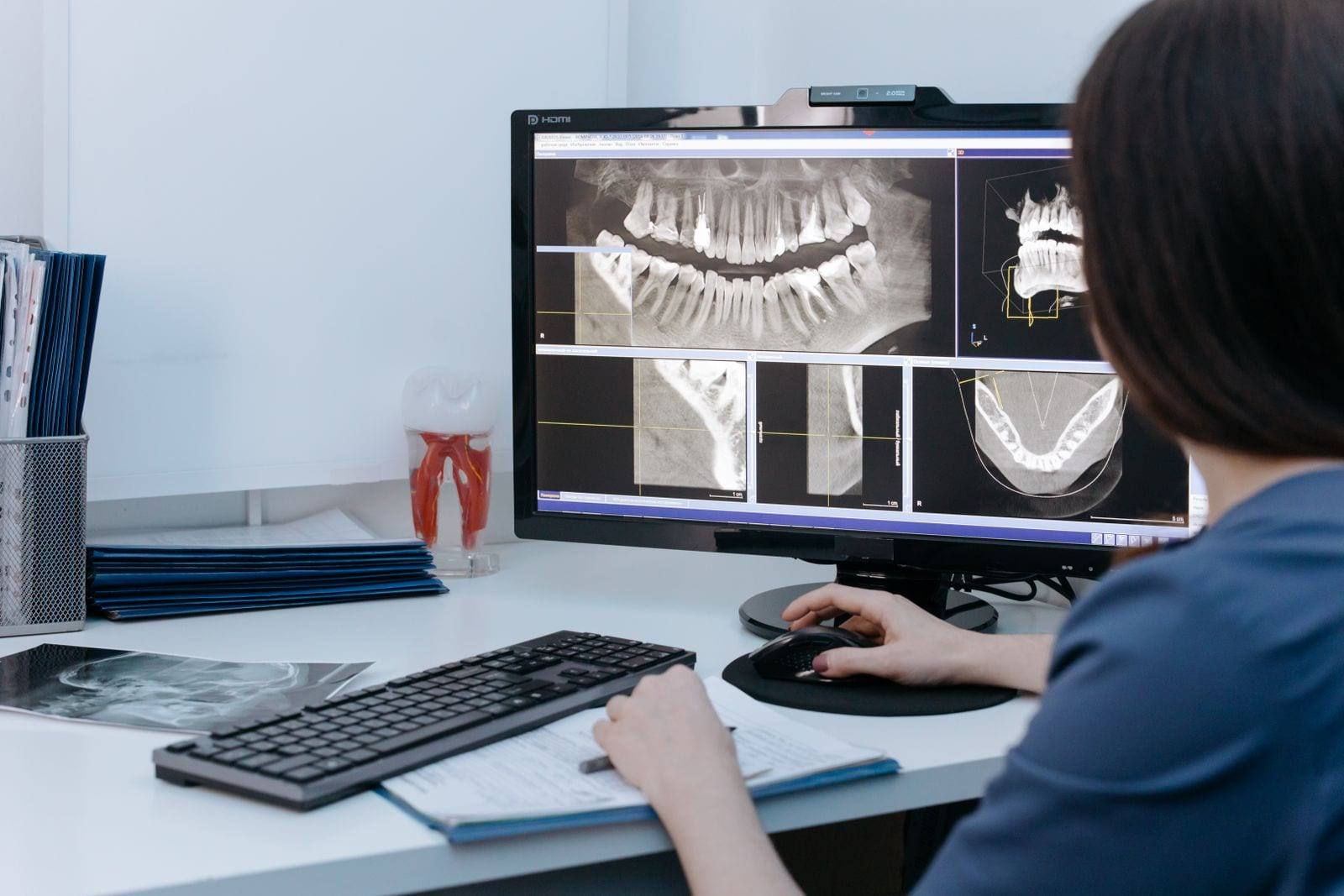
Planning is done digitally. We use a 3D CBCT scan, digital models of your teeth and facial photographs to plan the movements on a computer, then produce custom surgical splints that guide the position of the jaws in the operating room. You will see the plan before surgery and we will talk through what will change.
Because jaw surgery corrects a functional problem, it is usually billed to medical insurance. We handle the pre-authorization and give you a written estimate of your share before anything is scheduled.
The hospital stay: one to two nights
Corrective jaw surgery is done under general anesthesia in a hospital. Depending on whether one or both jaws are moved, surgery typically takes two to five hours. Most patients stay one or two nights.
When you wake up, your face will feel tight and numb, and you may have light elastic bands on your braces to guide your bite. Most patients today are not wired shut. The jaws are held with small titanium plates and screws placed inside the mouth, so there are usually no visible scars.
Before you go home, we make sure you can drink enough fluids, your pain is controlled with oral medicine and you or your caregiver are comfortable with the home instructions. Plan on having an adult with you for at least the first several days.
The first week: swelling and rest
Swelling is the main event in the first week. It usually peaks around day two or three and then slowly improves. Some patients are surprised by how much their face changes in those early days. That is expected and it is temporary.
- Use cold compresses for the first 48 hours, then switch to warm compresses if your surgeon recommends it.
- Sleep with your head raised on two or three pillows or in a recliner.
- Take pain medicine on schedule rather than waiting for discomfort to build.
- Rinse gently after meals as instructed, and keep your lips moisturized. They dry out quickly.
- Walk around the house several times a day. It helps circulation and recovery.
Your Molly surgeon will call you the evening after you get home, and the 24/7 surgeon line at (949) 555-0911 is there any night you have a question.
Weeks two to six: diet and getting back to life
Your diet will progress in stages. For the first one to two weeks, it is usually a full liquid diet: protein shakes, smooth soups, broths, yogurt drinks and blended meals. After that, most patients move to a soft, no-chew diet for several more weeks, think scrambled eggs, pasta, mashed vegetables and flaky fish. Your surgeon will tell you when to advance based on how your bones are healing.
Expect to lose a few pounds in the first weeks. Getting enough calories and protein matters for healing, so plan your shakes and soups ahead of time.
Most patients return to school or desk work within two to three weeks. Jobs that are physical or involve a lot of talking may need a little longer. Light walking is encouraged early; more strenuous exercise usually waits until around six weeks, and contact sports longer than that.
The bone itself typically takes around six weeks to heal enough for normal function, and continues to strengthen for months afterward.
Numbness and sensation
Numbness of the lower lip and chin is common after lower jaw surgery, and upper lip and cheek numbness is common after upper jaw surgery. The nerves that provide feeling to these areas are close to where the bone is repositioned.
For most patients, sensation gradually returns over several weeks to several months, often with tingling along the way. Recovery can continue for up to a year. A small number of patients are left with some lasting change in sensation in part of the lip or chin. We will discuss your individual risk at your consultation, based on your anatomy and the movements planned.
Months two to twelve: finishing the work
Once the jaws have healed, usually about four to eight weeks after surgery, your orthodontist resumes treatment to fine-tune the bite. This finishing phase typically lasts six to twelve months. Residual swelling continues to fade during this time, and many patients say their final appearance settles at around six to nine months.
You will have regular follow-ups with me during the first few months, and then periodically while orthodontics is completed. For patients treated for sleep apnea, we will usually repeat a sleep study after healing to confirm the airway result.
A few practical tips from past patients
- Buy a good blender and a supply of wide cups before surgery.
- Have lip balm and a small mirror by the bed.
- Line up a few weeks of shows, podcasts or reading.
- Arrange rides for the first two weeks. You should not drive while taking prescription pain medicine.
- Write your questions down between visits. We would much rather answer them than have you worry.
Jaw surgery recovery asks for patience, especially in the first two weeks. Nearly every patient tells me afterward that it was more manageable than they feared, and that being able to chew comfortably, breathe better at night or simply close their lips without effort was worth it. If you are considering surgery, a consultation is the best place to start, and your surgeon will confirm a timeline that fits your plan.
About the author
Dr. Omar Haddad, DMD, MD
Dr. Haddad performs corrective jaw surgery, sleep apnea surgery, facial trauma repair and TMJ care in Anaheim Hills and Fullerton.
This article is for general education and isn’t a substitute for an examination. If you have symptoms, see your dentist or book a consultation with an oral surgeon.