How Much Do Dental Implants Cost in Southern California?
What a dental implant typically costs in Southern California, what a complete quote includes, what adds to it, and how insurance and financing help.


“How much does an implant cost?” is a fair question, and it deserves a straight answer. The difficulty is that many prices you see online cover only one part of the treatment. The rest shows up later.
I place implants every week in Irvine and Newport Beach. Here is how the cost usually breaks down in Southern California, what makes it go up or down, and how insurance and financing fit in.
The short answer
For a single dental implant in Southern California, the total typically falls between $3,900 and $6,000. That range usually includes the implant itself, the abutment that connects it to the tooth and the crown on top. At Molly, a single implant starts from $3,900 for those three parts together.
Some cases cost more, mostly because of extra steps such as an extraction or a bone graft beforehand. When you see an advertised implant for under $1,500, it very often means the post alone, not the tooth you chew with.
What a complete implant includes
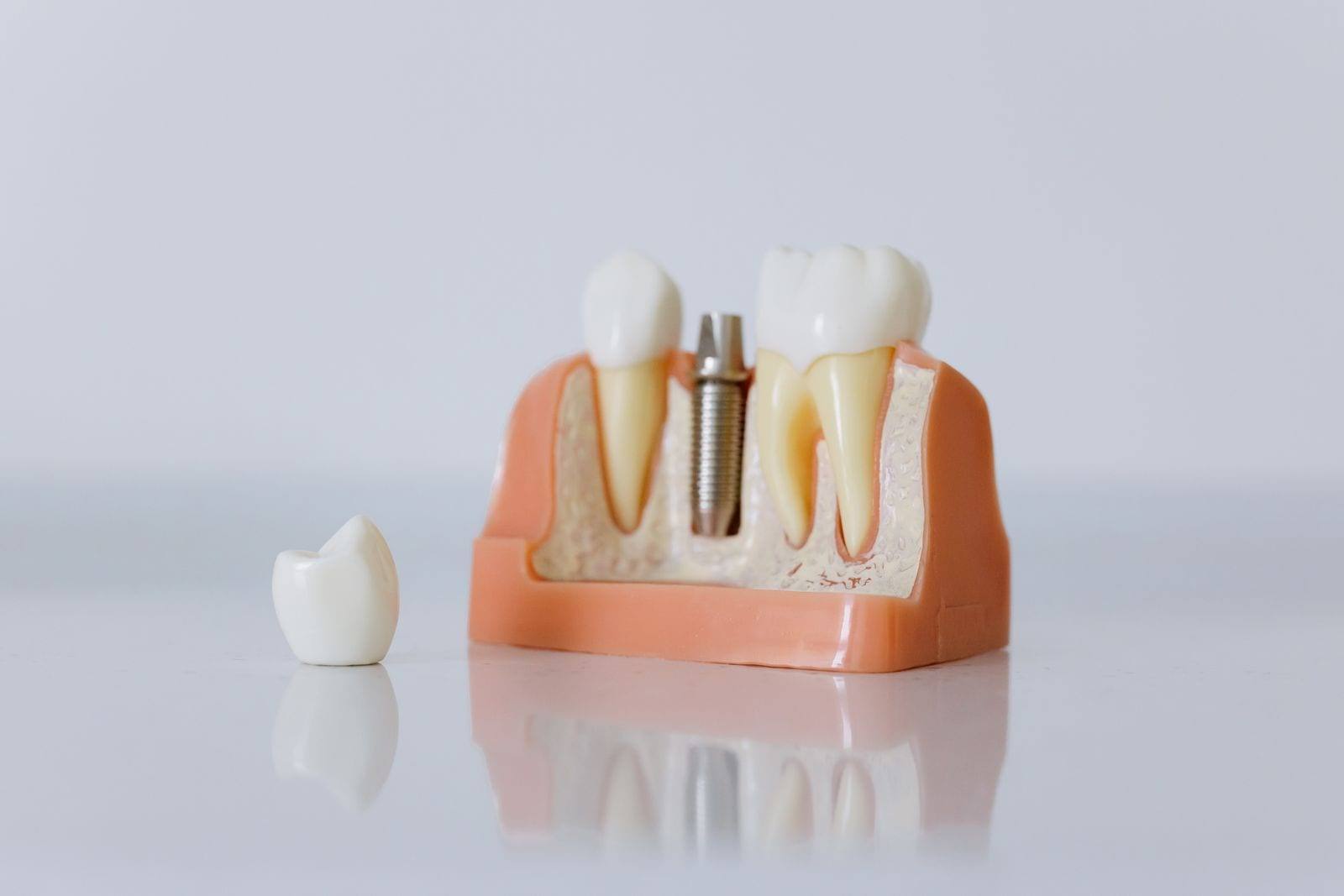
An implant is a series of steps, and each step has a cost. A complete quote should list all of them:
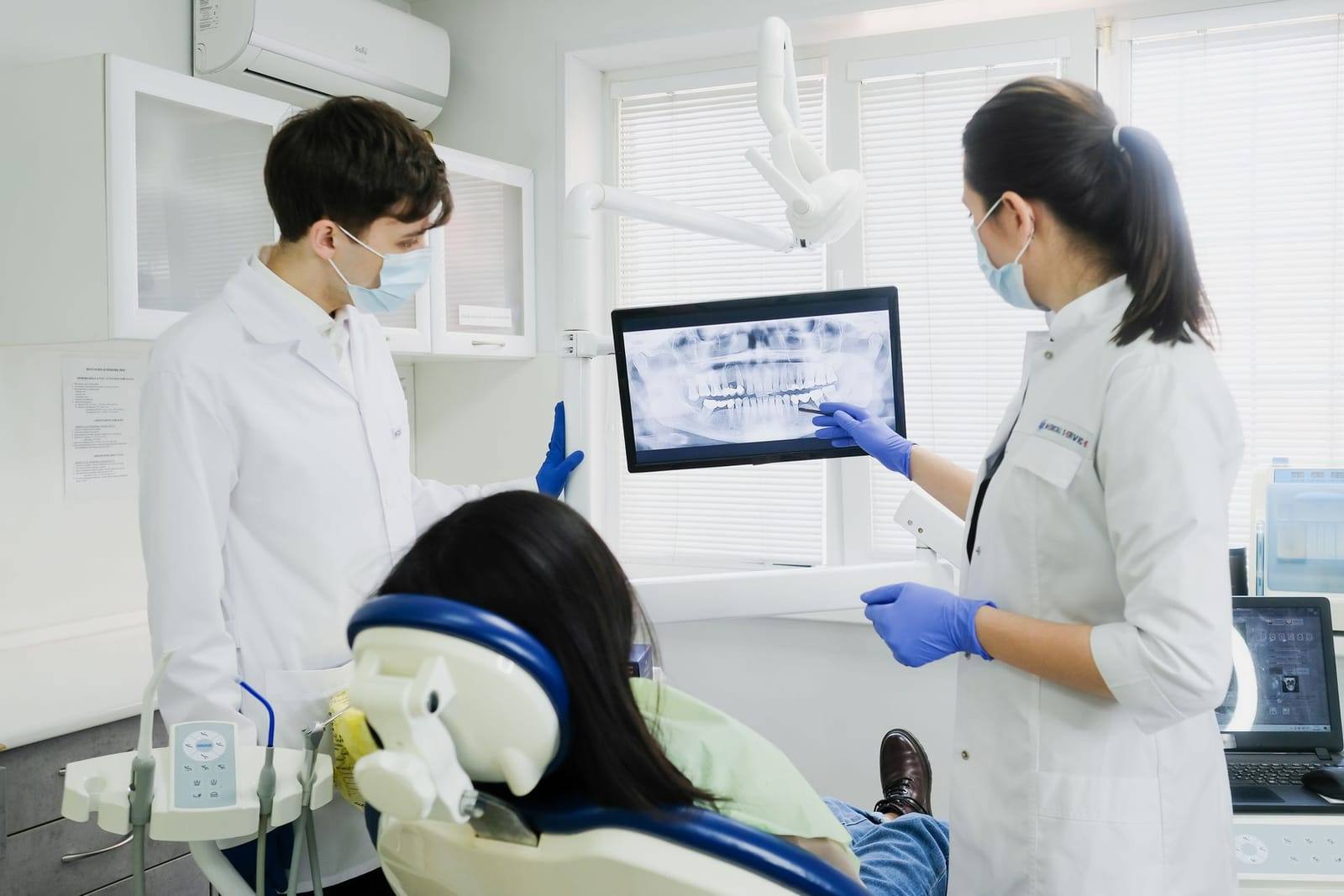
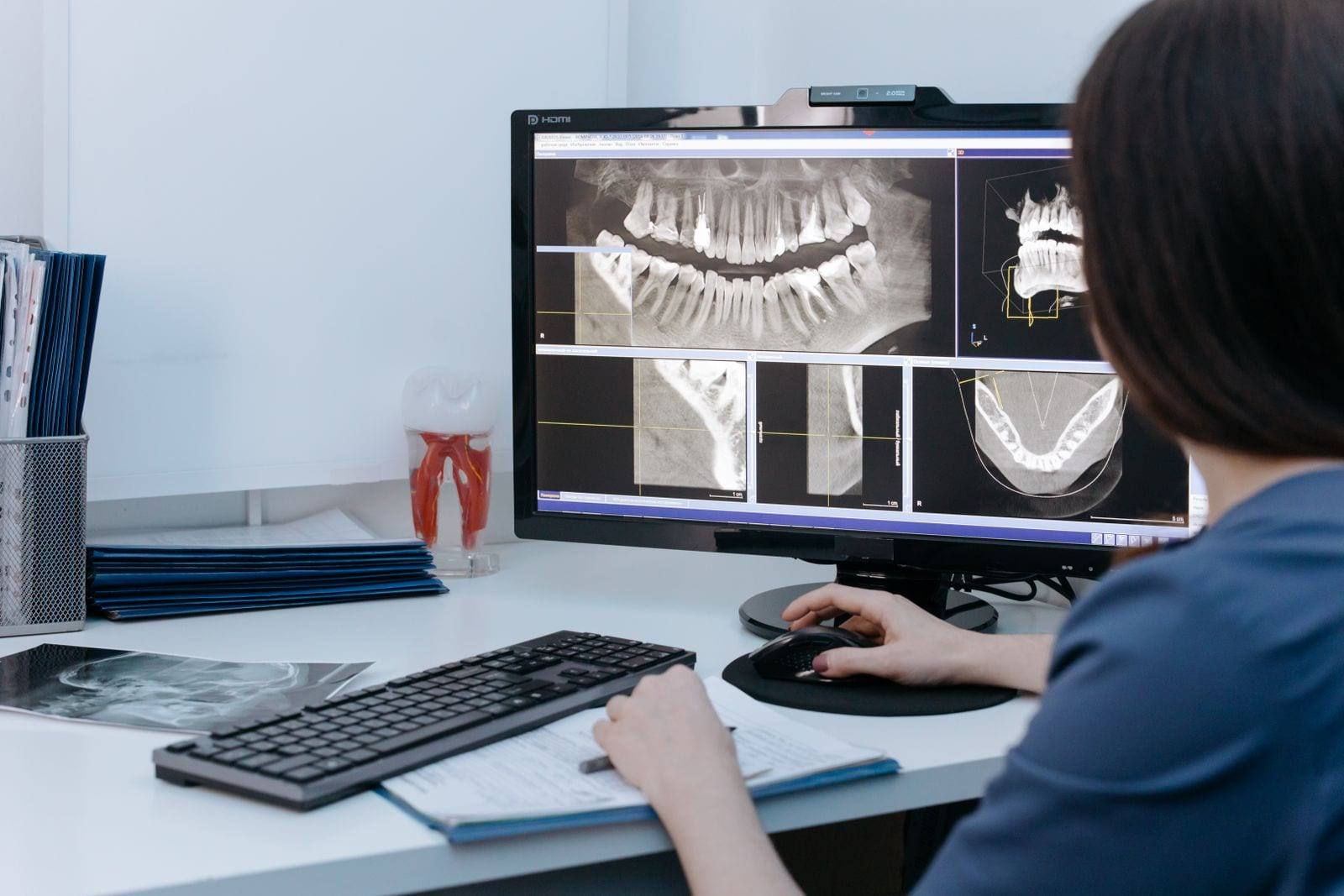
- Consultation and 3D imaging. A cone-beam CT (CBCT) scan shows the height, width and density of your bone and the position of nerves and sinuses. We use it to plan the implant position before surgery. At Molly, the implant consultation and 3D CBCT scan are complimentary.
- The implant. A small titanium or zirconia post placed in the jawbone. It acts as the new root.
- The abutment. The connector between the implant and the crown.
- The crown. The visible tooth, usually made by your restorative dentist or our in-house prosthodontist.
- Follow-up visits. Checks while the implant integrates with the bone, typically over three to six months.
What can add to the cost
Not everyone needs these, but they are the most common reasons a quote rises:
- Extraction. If the failing tooth is still there, it needs to come out first. A routine extraction is less involved than a surgical one.
- Bone grafting. If the bone has thinned since a tooth was lost, a graft may be needed to support the implant. Grafts at Molly start from $450, and larger grafts cost more.
- Sinus lift. Upper back teeth sit close to the sinus. When there is not enough bone height, a sinus lift adds bone beneath the sinus floor.
- Anesthesia. Many patients are comfortable with local anesthesia alone. If you prefer IV sedation, it typically starts from $495, depending on length of surgery.
- Temporary teeth. A temporary tooth or flipper while the implant heals, if the gap is visible when you smile.
Your scan usually tells us at the consultation whether you need any of these. It is far better to know before surgery than to be surprised partway through.
Replacing several teeth or a full arch
If you are missing several teeth in a row, two implants can often support a bridge of three or four teeth. That usually costs less than placing an implant for every tooth.
For a whole upper or lower arch, full-arch treatment (often called All-on-4 or All-on-X) uses four to six implants to support a fixed set of teeth. In Southern California this typically ranges from about $19,900 to $35,000 per arch, depending on the number of implants, the material of the final teeth and whether grafting is needed. At Molly, full-arch treatment starts from $19,900 per arch, planned together with one of our prosthodontists.
How dental insurance helps
Most dental PPO plans cover part of an implant, often 50% of certain stages, up to your annual maximum. Annual maximums commonly sit between $1,000 and $2,500, so insurance usually reduces the cost rather than covering most of it. Some plans have waiting periods or a “missing tooth clause” that excludes teeth lost before you joined the plan.
A few practical points:
- We are in network with most dental PPOs, including Delta Dental of California, Cigna, Aetna, MetLife, Guardian and others.
- Treatment can sometimes be split across two plan years, for example the implant in one year and the crown in the next, so two annual maximums apply.
- Medical insurance occasionally contributes, for example when a tooth was lost to an accident. We check both your dental and medical coverage.
- HSA and FSA funds can be used for implant treatment.
Financing that keeps it manageable
Many patients spread the cost over time. We offer 0% in-house payment plans for up to 12 months, and we work with CareCredit and Sunbit for longer terms. For full-arch treatment, Proceed Finance offers extended plans designed for larger cases. Terms depend on approval, and our coordinators can walk you through each option without pressure.
Comparing quotes and getting a clear number
An implant is placed once and is meant to serve you for many years. Careful planning, quality components and a well-fitting crown all matter to how it holds up. Replacing an implant that failed or was poorly positioned costs more than doing it carefully the first time. I spend a good part of my week on implant revision, and most of those cases began as a bargain.
When you compare quotes, ask each office the same questions: Does this include the abutment and crown? Is a 3D scan included? Who places the implant, and who restores it? What happens if I need a graft?
The only way to know your cost is an exam and a 3D scan. At your complimentary implant consultation, your surgeon reviews the scan with you, explains your options and gives you one written estimate covering imaging, anesthesia, surgery, the restoration and follow-up visits, before anything is scheduled. If you have questions about the estimate afterward, call your Molly office and we will go through it line by line.
About the author
Dr. Natalie Chen, DMD, MD
Dr. Chen places dental implants, often with sinus lifts and platelet-rich fibrin, and offers Teeth in a Day in Irvine and Newport Beach.
This article is for general education and isn’t a substitute for an examination. If you have symptoms, see your dentist or book a consultation with an oral surgeon.